Leave Your Message

What Are the 7 Best Antique Brass Door Hinges?

Antique Brass Door Hinges can change the feel of a room in a small but noticeable way. Their warm, muted finish suits paneled doors, painted trim, and older woodwork. Yet appearance is only part of the choice. Hinge size, door weight, pin design, mounting pattern, and finish quality all affect fit and everyday performance. A beautiful hinge that binds against the frame is still the wrong hinge.

Industry reports offer useful context, but not a definitive ranking of antique brass hinges. The 2024 U.S. Houzz & Home Study tracks renovation activity and homeowner spending; it does not compare hinge models or finishes. That distinction matters. For technical checks, buyers can also consult ANSI/BHMA A156.1, the industry standard for butt hinges, and confirm the maker’s stated materials and testing details. Look closely at the product specifications. Solid brass, brass-plated steel, and aged finishes can look similar online but differ in weight, wear, and care needs.

This guide compares seven options by construction, style, compatibility, and practical value. Some choices favor period detail; others suit frequent use or easier installation. No single hinge is best for every door. Measure carefully, and treat broad claims about “antique” finishes with a little skepticism. The details matter.
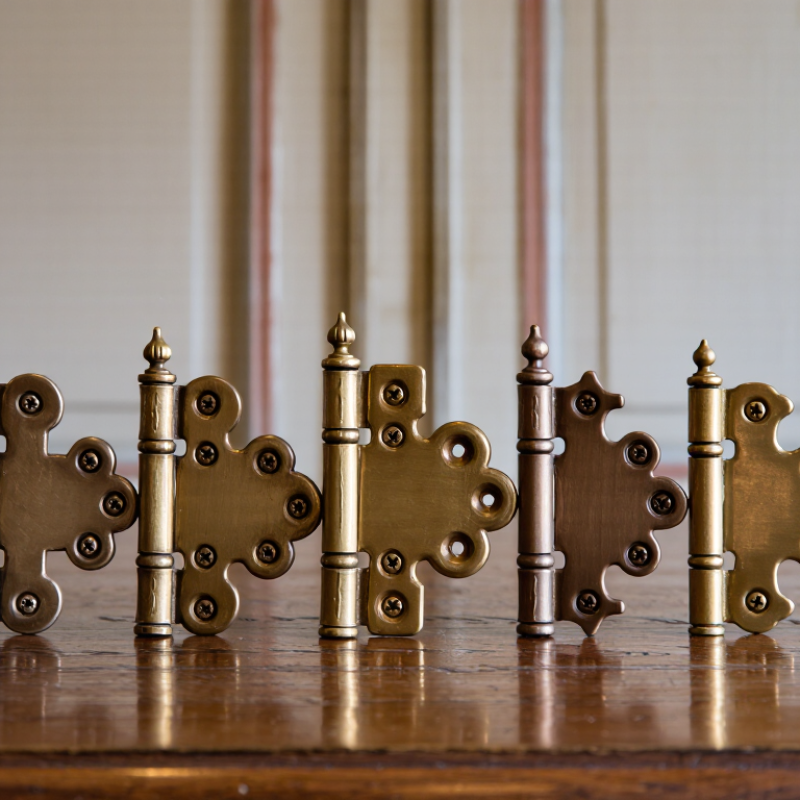
What Are the 7 Best Antique Brass Door Hinges?

What Defines an Antique Brass Door Hinge?

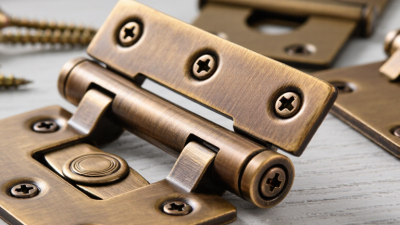
An antique brass door hinge is defined by its material, finish, design, and condition—not by color alone. “Antique brass” can describe a modern finish made to look aged, as well as an older hinge made from brass. The finish is usually subdued, with warm brown or golden tones and darker areas around edges or crevices. Genuine age may bring uneven patina and small marks from years of use. Small differences matter.

Look closely at the hinge leaves, knuckles, and pin. Older examples may show softened edges, hand-worked details, or wear around screw holes, but styles vary by period and maker. Brass is an alloy of copper and zinc; it can tarnish over time, yet a dark surface alone does not confirm age or solid-brass construction. A magnet is not a reliable test for every hinge component, either. One caution: appearance can mislead.

For practical identification, check the hinge’s weight, finish at worn spots, and construction. A bright metal layer showing through a dark coating may indicate a plated finish rather than solid brass. Measure the leaf height, width, and pin length before choosing a replacement, and check that the hinge swings freely without excessive play. A charming patina is useful evidence, not proof. Age, material, and fit each deserve a separate check.
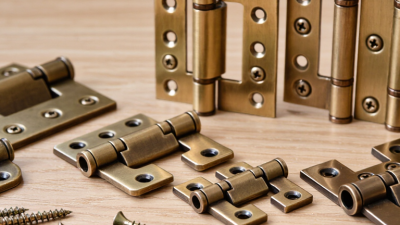
How to Assess Quality, Compatibility, and Authenticity

When assessing antique brass door hinges, inspect the metal in natural light. Solid brass often shows consistent color at worn edges, while plated pieces may reveal a different base metal beneath scratches. Patina can support an age claim, but it is not proof; artificial aging can imitate darkened recesses. Small details matter. Look for hand-worn edges, old tool marks, and screw slots that show use without severe damage.

Check compatibility before buying. Measure each leaf’s height and width, the hinge thickness, and the distance between screw holes. Compare these with the door’s mortises, not just the existing hinge’s overall size. A hinge that looks close may sit proud or leave the door sagging. Feel the weight. Open and close it gently, checking for a straight pin, smooth movement, and excessive side-to-side play. Some wear is normal; cracked leaves or loose knuckles are harder to live with.

Authenticity is best judged through several clues rather than one dramatic feature. Ask about the hinge’s age, previous use, and any repairs, and request clear photographs of both sides and the pin. Original screws can help, though replacements are common. I have found that a bright polish can erase useful surface character. Yet untouched patina is not automatically desirable if corrosion has weakened the hinge. A little uncertainty is part of buying old hardware.

Seven Antique Brass Door Hinge Styles to Consider

Antique brass is a finish, not one hinge design. The seven styles below pair its warm, aged tone with different door shapes and levels of detail. Houzz’s 2024 U.S. Houzz & Home Study reported a $24,000 median spend on home renovations in 2023. That figure covers many kinds of work, not hinges specifically, but it shows why small hardware choices deserve care. A sample finish helps. Brass tones can vary under different light.

A plain butt hinge suits simple interior doors and understated trim. Ball-tip hinges add rounded finials; steeple-tip hinges bring a taller, more decorative profile. Parliament hinges project farther from the frame, useful when a door must swing clear of nearby molding. Rising-butt hinges lift a door slightly as it opens, though the floor and frame must suit their geometry. Strap hinges have long leaves that create a more rustic, visible accent. Engraved butt hinges add pattern without changing the familiar hinge shape. Check door weight, leaf size, and screw placement before choosing.

For period-inspired rooms, ball-tip or engraved styles often complement detailed woodwork. Plain butt hinges can feel more convincing on modest doors. Match the hinge’s scale to the door; oversized leaves may look theatrical. A caution: ornate hardware can become busy beside carved trim. Antique brass may also darken unevenly with handling and cleaning, so confirm the care instructions before installation.

Choosing a Hinge for Your Door and Interior

Choosing an antique brass door hinge starts with the door, not the finish. Check its height, thickness, weight, and daily use. A tall, solid-wood door needs more support than a light cupboard door. Match the hinge size and number to the door’s load, and confirm the manufacturer’s capacity guidance. That detail matters.

Next, consider the hinge’s construction, pin style, leaf shape, and finish. These are four useful comparison points alongside size, load capacity, and installation fit. Removable pins can help when a door needs to come off; fixed pins may suit doors where that is less important. Measure the existing mortise and screw positions before buying. Small mismatches can mean patching wood or recutting the recess. I would not choose by color alone. It is the tempting shortcut.

Finally, check how the hinge will sit within the room. Warm brass can complement oak, painted trim, or aged hardware, but a very polished finish may feel out of place beside softly worn surfaces. Compare a sample near the door in daylight and evening light; brass tones shift noticeably. Also check swing clearance near walls, rugs, and nearby cabinets. A hinge can look right and still bind. That is easy to overlook. If the door is unusually heavy or the frame is damaged, ask a qualified installer to assess the fit before choosing hardware.

What Are the 7 Best Antique Brass Door Hinges? - Choosing a Hinge for Your Door and Interior

These hinge styles suit different door weights, opening patterns, and design goals. Antique brass describes a finish; its color, sheen, and aging characteristics vary by finish process.
Hinge Type Best For Typical Size or Form Why Choose It What to Check
Plain-Bearing Butt Hinge Most standard interior doors and traditional rooms Commonly 3½ in. for many interior doors; 4 in. options are also widely used A familiar, versatile choice with a visible antique brass finish and straightforward installation. Match the hinge size, corner shape, screw pattern, and door weight to the existing preparation and door requirements.
Ball-Bearing Butt Hinge Heavier or frequently used doors Often available in 3½ in. and 4 in. sizes Ball bearings reduce friction between the hinge knuckles, which can support smoother movement under frequent use. Check the hinge’s stated load rating and required number of hinges; ratings and recommendations vary by design and installation.
Spring Hinge Doors that need to close automatically, such as some utility or passage doors Butt-hinge form in several common door sizes Its spring mechanism returns the door toward the closed position; an antique brass finish can coordinate with traditional hardware. Confirm whether the model is adjustable, suitable for the door, and appropriate for the required closing behavior. Follow installation instructions.
Parliament Hinge Doors that need extra clearance from a frame, trim, or nearby obstruction Offset leaves with a projecting knuckle; available in different widths and lengths The offset geometry moves the door away from the frame as it opens, offering more clearance than a standard butt hinge. Measure the required projection and check the door’s swing path. A wider projection does not automatically guarantee a 180-degree opening.
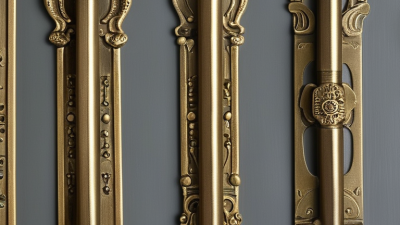
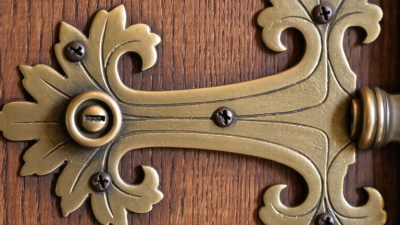
Decorative Strap Hinge Garden gates, shed doors, cabinets, and rustic or cottage-style interiors Long decorative straps paired with a pivot or pintle-style fitting The extended leaves make the hinge a visible design feature and complement period-inspired interiors. Choose a hinge designed for the door’s location and load. Outdoor exposure can affect the finish, so check material and corrosion guidance.
Continuous (Piano) Hinge Tall, narrow, or frequently used doors where support along much of the edge is desired A long hinge running along a substantial part of the door edge; often trimmed to length when suitable Its continuous leaf distributes attachment points along the door edge and creates a distinctive, practical appearance. Confirm the hinge’s material, length, fixing method, and load guidance. Cutting or drilling may affect the finish and should follow product instructions.
Decorative Butterfly Hinge Light interior doors, cupboards, and feature furniture Surface-mounted, ornamental leaves in a range of shapes and sizes Its visible, wing-like design adds period character without requiring the fully recessed appearance of a standard butt hinge. Many butterfly hinges are intended for lighter applications. Verify suitability for a full-size door and align the leaves carefully during installation.

Installing and Caring for Antique Brass Hinges

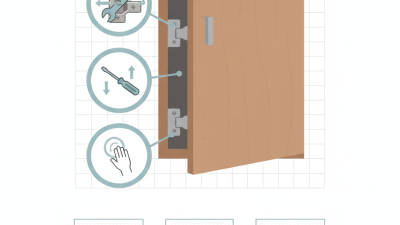
Antique brass door hinges can add warmth to a room, but careful fitting helps them work smoothly. Before installation, check the hinge leaf size, door thickness, and existing screw-hole spacing. Even a small mismatch can leave the door rubbing against the frame. Support the door while fitting each hinge, and drill pilot holes to reduce the risk of splitting the wood. Tighten screws firmly, not forcefully. Small details matter.

Tips: Use a level to check alignment. If old holes no longer hold screws securely, pause and repair them before hanging the door. A rushed fix may loosen again.

Care depends on the finish. Wipe hinges with a soft, slightly damp cloth, then dry them fully, especially around the knuckles and screw heads. For lacquered brass, avoid abrasive pads and strong cleaners, which can cloud or strip the coating.

Unlacquered brass develops a natural patina; use a gentle brass cleaner only if you want to brighten it. Test any cleaner on a hidden spot first. It can be tempting to polish every dark mark away, but some unevenness is part of the finish’s character.

Check the screws occasionally, too. A loose hinge can cause squeaks and extra wear.