2026 Best Antique Brass Door Hinges for Global Buyers
Choosing the right hardware can change how a door feels, sounds, and performs over time. This guide examines the 2026 best Antique Brass Door Hinges for global buyers, with attention to design, material quality, installation, and long-term use. A warm brass finish may suit a restored townhouse, boutique hotel, or modern home with wood paneling. Yet appearance alone is not enough. Hinge thickness, pin design, screw quality, door weight, and opening frequency all deserve careful review.
From practical installation experience, small details often create the biggest problems. A hinge may look beautifully aged but show uneven plating around the knuckles. Some screws may match the finish but lack suitable length or strength. Measure twice. Then check again. This outline considers residential, hospitality, and light commercial applications while recognizing regional expectations for hardware dimensions and safety. Buyers should confirm local building requirements and ask suppliers for material specifications, finish descriptions, load guidance, and sample images before ordering.
No hinge is perfect. Antique finishes can vary between batches, and “solid brass” claims should be verified rather than trusted automatically. That is an important limitation. Reliable purchasing depends on transparent suppliers, consistent quality control, and clear after-sales support. The following sections compare styles, construction, finish durability, sizing, packaging, maintenance, and supplier communication. They also highlight practical warning signs, because a beautiful hinge that loosens, stains, or misaligns can become an expensive disappointment.
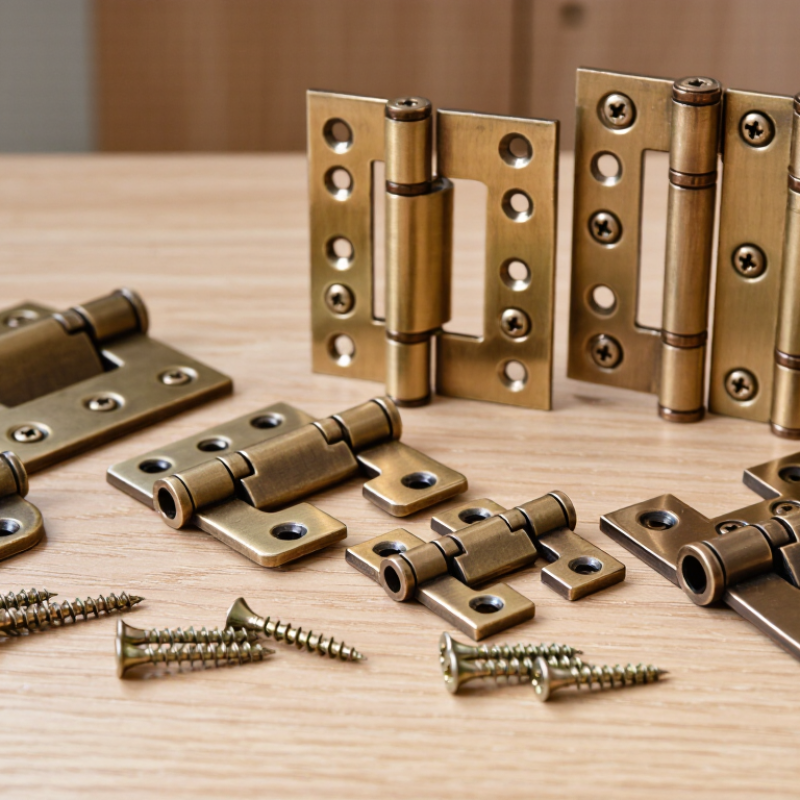
Antique Brass Hinge Types: Solid Brass, Plated Steel, and Concealed Models
For 2026 projects, antique brass hinges need more than an attractive finish.
They must match door weight, climate, and installation accuracy. Freedonia’s 2024 architectural hardware analysis links renovation demand with stronger replacement-hardware sales, especially in residential interiors. Solid brass remains the dependable choice for heavy timber doors. Its material resists edge corrosion and allows repeated screw removal without stripping easily. The warm surface also develops a darker patina over time.
Plated steel hinges usually reduce purchase cost and initial weight. However, the plating thickness matters greatly. Small scratches can expose the steel beneath, particularly in coastal or humid regions.
ASTM B117 salt-spray testing offers useful comparison data, but laboratory hours do not perfectly predict every building’s service life. That limitation deserves attention. A cheap hinge can become an expensive replacement.
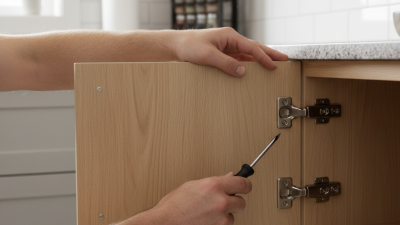
Concealed models create a clean, uninterrupted door line and suit modern restoration work. They require accurate routing, stable framing, and careful adjustment. The European Door and Shutter Federation reports that installation accuracy strongly affects door hardware performance, although field conditions often receive less attention than product specifications. From practical inspections, misalignment causes more complaints than finish failure. I would not specify concealed hinges for a weak frame without reinforcement. Buyers should request load ratings, cycle-test results, coating details, screw dimensions, and corrosion-test documentation before ordering globally.
EN 1935 Explained: 8 Door-Mass Classes from 10 to 160 kg
For global buyers comparing 2026 antique brass door hinges, EN 1935 is a useful technical reference. Its door-mass classes range from 10 to 160 kg. The listed steps are 10, 20, 40, 60, 80, 100, 120, and 160 kg. These figures come from the European Committee for Standardization’s EN 1935:2002 classification table.
The rating applies to the tested hinge set, not only one hinge. A 70 kg timber door should not automatically use the 80 kg class. Glass panels, closers, frequent traffic, and uneven loading can increase stress. In practical installations, I prefer a safety margin above the measured door weight. That choice is not always elegant, but it reduces sagging and frame damage. The standard also assesses durability, corrosion resistance, and fire performance separately. Antique brass describes the visible finish. It does not prove mechanical strength. Industry guidance from the Door and Hardware Federation similarly recommends checking the complete hardware specification, installation conditions, and test evidence before purchasing.
Tips: Weigh the finished door, including glass and fittings. Confirm the number of hinges used during testing. Check whether the brass surface is lacquered or intended to age naturally. A beautiful finish can still fail in a damp coastal entrance. I have seen buyers focus on color first. That is an expensive mistake. Reserve extra capacity for heavy closers and daily commercial traffic. Always request EN 1935 classification details from the supplier.
EN 1935 defines eight door-mass classes for single-axis hinges, ranging from 10 kg to 160 kg. The chart shows the maximum reference door mass associated with each class. Actual hinge selection should also consider the number of hinges, door dimensions, usage frequency, fire and smoke requirements, corrosion resistance, and installation conditions.
Finish and Corrosion Checks: ISO 9227 Salt-Spray Testing for Global Buyers
For 2026 antique brass door hinges, finish inspection should begin before installation. Antique brass is usually a layered finish, not solid brass. Check the base metal, plating or coating, and protective top layer separately. Look for thin edges, cloudy lacquer, exposed pin ends, and uneven color around screw holes. These small areas often corrode first in coastal warehouses.
ISO 9227:2022 describes neutral salt-spray testing for evaluating corrosion resistance. It does not set one universal test duration or pass-or-fail limit. Buyers should request the actual exposure time, test method, specimen preparation, and corrosion rating. A 240-hour result may help compare samples, but it cannot predict every doorway. Door hinges experience fingerprints, abrasion, condensation, and repeated movement. Salt spray alone misses some of that.
The NACE IMPACT study estimated global corrosion costs at about US$2.5 trillion annually, equal to roughly 3.4% of global GDP. That figure shows why finish control deserves purchasing attention.
For export projects, request test photographs, measured red-rust area, and results for complete hinges, not flat metal coupons. Also inspect after cycling the hinge repeatedly. This step is easy to overlook.
I would not approve a beautiful sample without checking cut edges and screw contact points. Packaging matters too; trapped moisture can stain antique brass before installation.
The weakness is obvious: laboratory salt mist is controlled, while real buildings are not.