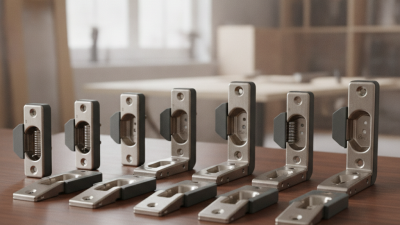
What is 3D Hinges Soft Closing and How to Choose Them?
In today's fast-paced world, the demand for innovative and efficient hardware solutions is ever-increasing. One noteworthy advancement is the "3D Hinges Soft Closing" system, which offers both functionality and aesthetics. According to a recent report by the Home Improvement Research Institute, the market for soft-close mechanisms is projected to grow by 12% over the next five years. This indicates a clear shift toward enhancing user experience in home design.
3D hinges combine the technology of soft closing with a three-dimensional adjustment feature, allowing precise alignment in cabinetry and door installations. This is essential in both residential and commercial spaces where appearance and ease of use matter. Recent surveys reveal that 70% of consumers prefer soft-closing doors due to their quiet operation and enhanced safety. However, the choice of hinges is crucial. Selecting the right type can be complex and requires understanding various factors, from load capacity to design compatibility.
There are still challenges in the adoption of 3D hinges soft closing systems. Not every user is aware of their benefits. Some might overlook the importance of proper installation and adjustment, which can lead to dissatisfaction. Awareness and education are key. Potential users must consider both aesthetics and functionality. Balancing these aspects can greatly improve their experience and satisfaction.
Understanding 3D Hinges: Definition and Functionality
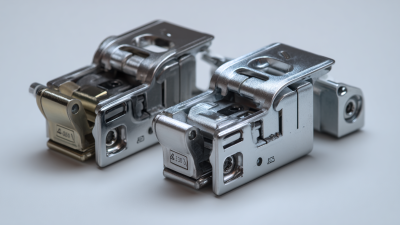
3D hinges are essential components for modern cabinetry and furniture. They allow for versatile adjustments in three dimensions: height, depth, and side-to-side. This functionality ensures that cabinet doors align perfectly and operate smoothly. Soft-closing mechanisms add an extra layer of convenience. They prevent slamming, reducing wear and tear on doors.
When choosing 3D hinges, consider the weight of your doors. Heavier doors require sturdier hinges for proper support. Look for hinges with reliable soft-close features. Some may not function as expected, leading to frustration. It's essential to check user reviews or consult professionals to ensure reliability.
Tip: Always test the hinge adjustments before final installation. This step can save time and prevent future issues. Proper adjustment can significantly enhance door functionality. Don’t hesitate to make small tweaks. They may yield better results than anticipated.
Advantages of Soft Closing Mechanisms in 3D Hinges
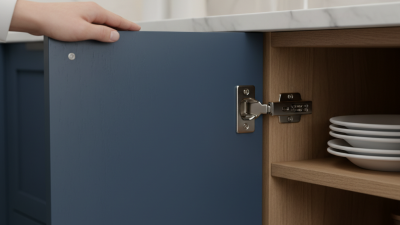
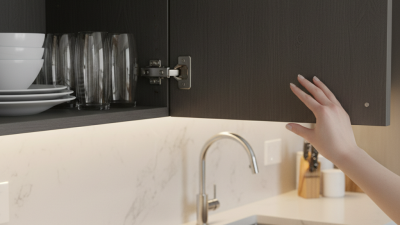
Soft closing mechanisms in 3D hinges offer significant advantages for modern cabinetry. They are designed to close doors smoothly and quietly. This reduces noise and minimizes wear on the doors over time. Such features enhance usability, especially in busy households.
Choosing the right soft closing hinges is crucial. Consider the door weight and size. Heavier doors may require robust hinges for proper support. Ensure you select hinges that match the thickness of your cabinet doors. This helps prevent future issues and potential regrets. You want a seamless fit that operates effectively.
When fitting these hinges, take proper measurements. Install with care to avoid misalignment. Misaligned hinges can cause frustration during daily use. It's important to test the closing action after installation. A well-functioning hinge should engage smoothly without excessive force. Achieving the perfect balance may require adjustment. Keep in mind that not all installations will go perfectly on the first try. Patience is key.
Key Features to Consider When Choosing 3D Hinges
When choosing 3D hinges for soft closing features, several key factors come into play. One primary consideration is the weight and dimensions of the door. Manufacturers recommend hinges that can support the door’s weight more effectively, considering that most residential doors weigh between 30 to 50 pounds. Selecting the appropriate hinge ensures a seamless operation, reducing wear and tear over time.
Another critical aspect is the material used in the hinge construction. High-quality steel and corrosion-resistant finishes are often recommended for durability. According to a recent industry study, quality hinges can last up to 20 years under regular use. This longevity makes investing in better materials worthwhile. However, not all products guarantee this lifespan, which can lead to disappointment from users who expect prolonged performance.
Furthermore, the adjustability of the hinges is essential. 3D hinges allow for fine adjustments across three axes: height, depth, and side alignment. This feature provides users the flexibility to achieve perfect door alignment. Neglecting this can lead to misaligned doors, which not only impede functionality but also affect aesthetics. A thorough assessment of these attributes ensures that consumers make an informed decision suitable for their specific needs.
Comparing Different Types of 3D Hinges for Various Applications
When choosing 3D hinges for different applications, it is crucial to consider their design and functionality. There are several types of 3D hinges available. These include soft-closing, self-closing, and adjustable hinges. Each type has its advantages based on the specific requirements of the door or cabinet.
Soft-closing 3D hinges offer a quiet and gentle way to close doors. This feature is ideal for home environments, especially for children and pets. These hinges often come with built-in dampers to cushion the closing motion. Self-closing hinges, on the other hand, ensure that doors automatically close. They work best in high-traffic areas where convenience is key. Adjustable hinges allow for precise alignment and can accommodate any misalignment in the frame or door.
Different applications require different features. It is essential to reflect on the space you are working with. Evaluate whether quiet operation or automatic closure is more critical. Sometimes, the choice may come down to aesthetics versus functionality. Taking the time to analyze your requirements can lead to a better overall experience. Make sure to consult with experts or refer to reliable resources to make informed decisions.
Comparison of Different Types of 3D Hinges for Soft Closing Mechanisms
Installation and Maintenance Tips for 3D Hinges with Soft Closing
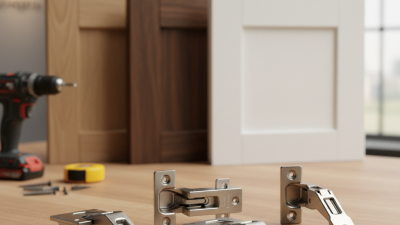
When installing 3D hinges with a soft closing feature, accuracy is crucial. Begin by measuring the cabinet door and the frame carefully. Misalignment can lead to uneven closing, which defeats the purpose of soft closing. Use a level to ensure everything is straight. Drill the holes precisely. Over-tightening screws can strip the wood, weakening the hinge's grip.
Maintenance plays a pivotal role in the longevity of 3D hinges. Regularly check for signs of wear, such as squeaking or looseness. Lubricating the hinges occasionally can resolve minor issues. However, don't overdo it; excess lubricant may attract dust and grime. Clean the hinges with a damp cloth to prevent debris buildup. This prevents future complications and ensures a smooth operation.
It is essential to remember that not all installations will go perfectly. Sometimes, adjustments are required after initial installation. Be patient and willing to make slight tweaks. This process reflects the realities of DIY projects, reminding us that perfection is often a moving target. Enjoy the journey of achieving functional beauty in your cabinetry.
What is 3D Hinges Soft Closing and How to Choose Them? - Installation and Maintenance Tips for 3D Hinges with Soft Closing
| Dimension |
Description |
Tip |
| Hinge Type |
3D adjustable soft closing hinge for smooth operation |
Ensure compatibility with cabinet doors before selection. |
| Material |
High-grade stainless steel for durability |
Opt for rust-resistant materials for longevity. |
| Weight Capacity |
Supports doors up to 25 kg |
Check the weight of your cabinet doors before handling. |
| Installation Method |
Screw mounted with adjustable features |
Follow manufacturer instructions for precise installation. |
| Adjustment Features |
3D adjustment for depth, height, and lateral alignment |
Make minor adjustments after installation to achieve perfect alignment. |
| Maintenance |
Regularly check for wear and tear |
Oil hinges bi-annually for smooth functionality. |