Leave Your Message

How to Choose Antique Brass Door Hinges in 2026?

Choosing Antique Brass Door Hinges in 2026 requires more than matching a warm metallic finish. A hinge must carry weight, survive repeated movement, and suit the door’s age. It is a small component with a large responsibility.

Grand View Research estimated the global door hardware market at approximately USD 17.13 billion in 2023. Its report projects continued growth through 2030, driven by renovation, premium interiors, and replacement demand. However, this figure covers modern and traditional hardware together. It does not measure Antique Brass Door Hinges separately. That limitation matters. Market size alone cannot prove historical accuracy or product quality.

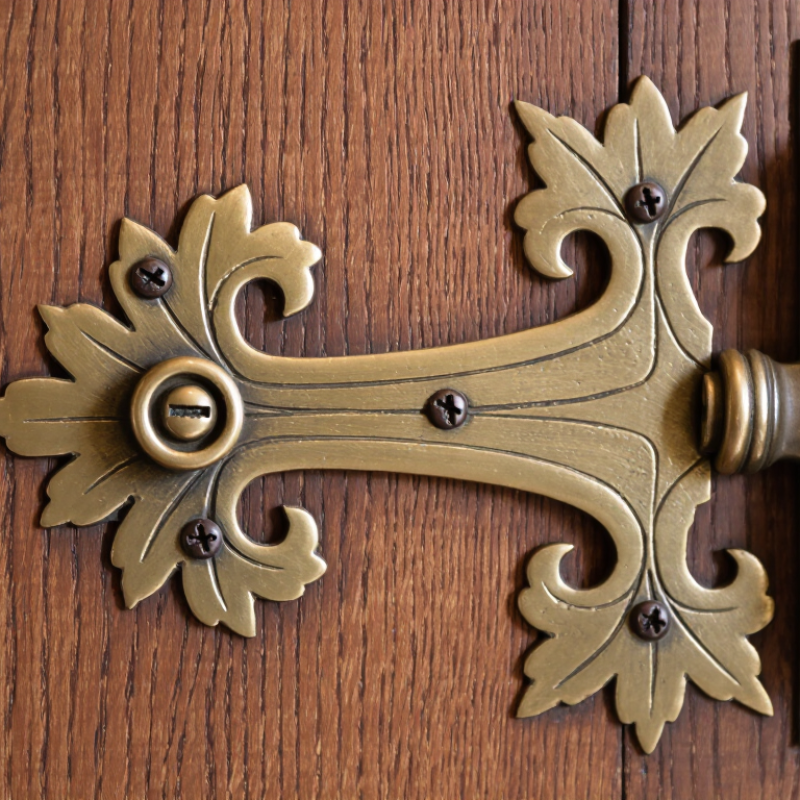
Historic-building consultant James C. Massey offers a useful principle: “Preserve the evidence before replacing the appearance.” Buyers should inspect original screw spacing, hinge thickness, knuckle design, and finish variation. A bright, perfectly uniform brass surface may look attractive, but it can feel wrong beside an aged oak door. Real antique-style finishes often show darker recesses, tiny rub marks, and uneven oxidation.

Check the door weight first. Then confirm the hinge size. Ball-bearing models can improve movement, while plain butt hinges may better suit a period restoration. Installation experience also matters; a misaligned hinge can cause scraping, loose screws, and premature wear. I would not rely on photographs alone. Product descriptions can sound convincing, yet finish samples sometimes reveal a disappointing orange tone. That is an uncomfortable detail, but it deserves attention. Good selection balances appearance, engineering, historical context, and honest uncertainty.
How to Choose Antique Brass Door Hinges in 2026?

What Defines Antique Brass Door Hinges in 2026?

In 2026, antique brass door hinges are defined by their finish, not their age.

The surface usually combines warm gold, muted brown, and darker recessed edges. This uneven tone creates the look of naturally aged metal. It should not appear perfectly shiny.

A practical inspection matters. Rub a hidden edge with a soft cloth and check for flaking, sharp plating transitions, or a bright base metal underneath. Those details can reveal a weak coating.

Material still matters.

Solid brass resists corrosion better than ordinary steel, but it costs more and may need regular polishing. Steel hinges with an antique brass finish can be suitable for interior doors. Humid rooms require extra caution.

The 2024 Global Door Hardware Market report by Fortune Business Insights estimated the sector at about 17 billion U.S. dollars in 2023, showing strong demand for durable renovation hardware. Yet market growth does not guarantee quality.

Performance should guide the final choice.

ANSI/BHMA A156.1 classifies hinges by durability, with:

Grade 1 tested to 2.5 million cycles.
Grade 2 reaches 1.5 million cycles.
Grade 3 reaches 350,000 cycles.

A heavy oak door may expose weak hinges quickly. Measure the door thickness, screw spacing, and hinge corner shape before ordering.

I would also test one hinge first. Finish samples can mislead under warm indoor lighting.

The “antique” effect is subjective, and that remains an inconvenient truth.
How to Match Hinge Types with Door Construction

How to Choose Antique Brass Door Hinges in 2026?

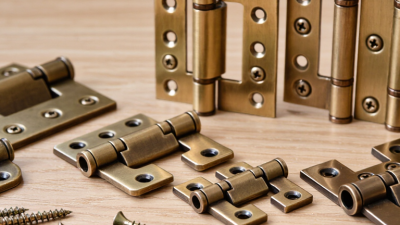
Match the hinge to the door’s construction, not only its antique brass finish. A solid wood door usually suits heavy-duty butt hinges with steel leaves and removable pins. Hollow-core doors need lighter hinges and strong blocking around the fixing points. Otherwise, screws may loosen as the door moves.

Steel doors require hinges designed for welded or reinforced frames. Fiberglass and composite doors often need manufacturer-approved fasteners, because their skins can hide weak cores. ANSI/BHMA A156.1 provides performance classifications for butt hinges, including cycle and load requirements. The 2024 U.S. Census Building Permits Survey recorded about 1.37 million privately owned housing authorizations. That volume reflects widely different door constructions, so one hinge specification cannot fit every project.

Tips: Count door weight, thickness, and hinge quantity before ordering. For tall or frequently used doors, use three or more hinges, following the door maker’s guidance. Check whether the hinge is rated for fire doors; decorative hardware must never replace a listed assembly. Antique brass can hide poor alignment. Test the swing with temporary screws first. I still find this step easy to skip, and that is a mistake. A small gap at the hinge edge can reveal frame movement before installation becomes expensive.

How to Choose Antique Brass Door Hinges in 2026? — How to Match Hinge Types with Door Construction
Door Construction Typical Door Characteristics Recommended Hinge Type Suggested Hinge Size Recommended Hinge Count Antique Brass Finish Guidance Key Installation Considerations
Hollow-core interior door Lightweight wood or composite interior slab; commonly about 35 mm thick. Plain-bearing butt hinge 75–89 mm hinge height, matched to the door thickness and existing mortises. 3 hinges for a standard interior door. Use a satin or lightly aged antique brass appearance to complement low-traffic interior hardware. Fasten screws into solid blocking or the reinforced hinge stile. Avoid relying only on thin door-skin material.
Solid-core interior door Heavier wood or composite construction; often approximately 35–45 mm thick. Ball-bearing butt hinge 89–102 mm hinge height, depending on door weight and frame preparation. 3 hinges for moderate weight; 4 hinges for taller or heavier doors. Choose antique brass with a durable protective coating if the door is frequently operated. Use long screws that reach the structural framing where suitable. Confirm the hinge leaf thickness matches the mortise depth.
Traditional solid-wood panel door Stiles and rails with timber panels; seasonal wood movement may occur. Ball-bearing butt hinge or broad-throw butt hinge 89–114 mm hinge height; select based on door height, thickness, and mass. 3 hinges for average doors; 4 hinges for tall, wide, or heavy doors. Antique brass pairs well with warm timber tones. A hand-aged appearance can complement traditional joinery. Allow for wood movement and keep hinge leaves accurately aligned. Do not overtighten screws in soft or historic timber.
Engineered-wood or MDF door Stable manufactured core with a veneer, laminate, or painted surface. Ball-bearing butt hinge 89–102 mm hinge height for many standard applications. 3 hinges for a standard door; add a fourth when the slab is unusually heavy or tall. Select a consistent antique brass tone across hinges, latch, escutcheon, and pull hardware. Use the manufacturer-approved screw type and avoid damaging the face veneer when cutting hinge recesses.
Glazed timber door Wood door containing one or more glass panels; weight depends on glass area and thickness. Ball-bearing butt hinge 89–114 mm hinge height, subject to the complete door weight. 3–4 hinges, positioned to support the hinge stile and reduce sagging. Use a coating suitable for frequent handling and clean the finish with a soft, non-abrasive cloth. Never use the glass panel as a structural reference. Support the slab carefully during installation and verify frame strength.
Fire-rated timber door Specially constructed door and frame assembly tested for fire performance. Tested ball-bearing or approved fire-door hinge Use only the size and thickness specified by the tested door assembly. Commonly 3 or more hinges, but the certified assembly determines the requirement. Antique brass is acceptable only when the selected hinge is approved for the complete fire-door application. Do not substitute decorative hinges without checking certification, intumescent protection, screw requirements, and maximum door mass.
Exterior solid-wood door Heavier entrance slab exposed to weather, temperature changes, and repeated use. Heavy-duty ball-bearing butt hinge 102–114 mm hinge height is common; verify the door mass and frame preparation. 3 hinges for many doors; 4 hinges for tall, wide, or heavy entrance doors. Choose an exterior-rated antique brass finish with corrosion-resistant base material or protective coating. Use corrosion-resistant fasteners, seal exposed end grain where appropriate, and keep water from collecting around the hinge knuckles.
Wide or oversized entrance door Large slab with increased width, height, mass, or opening frequency. Heavy-duty ball-bearing hinge or adjustable heavy-duty hinge 102–127 mm, subject to door weight, frame construction, and hinge throw. 4 hinges is a common starting point; the final count must follow the door and hardware specifications. Use antique brass only when the finish is available in the required load-rated hinge model. Check hinge spacing, structural reinforcement, hinge-side clearance, and the manufacturer’s maximum load per hinge.
Rebated or stepped door Door overlaps the frame at the closing edge rather than sitting flush within the opening. Rising-butt, parliament, or offset hinge Measure the rebate and required projection before selecting the hinge leaf dimensions. Usually 3 hinges; heavier doors may require 4. Select an antique brass model whose projection and knuckle shape suit the visible traditional style. Confirm handing, door swing, rebate depth, and clearance. A standard butt hinge may not provide sufficient offset.
Flush door in a metal frame Door slab closes into or against a steel or aluminum frame with limited timber fixing points. Through-fixing, weld-on, or frame-compatible ball-bearing hinge Use the frame system’s specified hinge dimensions rather than choosing by appearance alone. Typically 3 or more, according to door mass and frame engineering. Verify finish compatibility because antique brass may require a plated or coated finish suitable for the frame material. Check fixing method, hinge reinforcement, clearances, and corrosion compatibility between dissimilar metals.
Glass door with timber or metal surround Tempered or laminated glass slab supported by specially designed clamps or patch fittings. Glass door pivot hinge or glass patch fitting Size is determined by glass thickness, panel weight, and fitting capacity. Usually 2 pivot points or a manufacturer-specified fitting arrangement. Use an antique brass-colored fitting only if it is rated for the glass thickness and load. Do not drill or cut tempered glass. Confirm glass type, thickness, edge clearances, and fitting load rating before ordering.
Selection note: Hinge size and quantity are general planning guidance, not a substitute for the door manufacturer’s specifications. Before purchase, confirm door thickness, height, width, weight, swing direction, frame material, hinge corner radius, screw-hole pattern, and the finish’s suitability for interior or exterior use. “Antique brass” describes an appearance; the base material, coating, and corrosion resistance can vary between products.

Which Materials, Finishes, and Sizes Offer the Best Fit?

Choosing antique brass door hinges in 2026 starts with the material, not the color. Solid brass offers dependable strength and can be polished or allowed to age naturally. Steel with an antique brass coating usually costs less, but scratches may reveal the metal underneath. Bronze is heavier and develops a deeper, irregular patina over time. For a frequently used solid-wood door, I would favor solid brass or bronze.

Finish changes the hinge’s character. An unlacquered antique brass finish gradually darkens around the knuckles and screw heads. It feels authentic, but fingerprints and uneven color are part of the result. Lacquered brass stays more consistent and needs less cleaning. A lightly aged finish works well in older homes, especially beside warm oak, walnut, or painted timber. I once assumed the darkest finish looked most traditional. That was not always right; it sometimes made a narrow hallway feel visually heavy.

Size must match the door’s weight and thickness. Common residential hinges measure 3.5 or 4 inches, but the leaf width and screw-hole position also matter. A thick, heavy door may need four-inch ball-bearing hinges, while a lightweight cupboard door needs much less hardware. Measure the existing hinge, door thickness, and frame clearance before ordering. Small errors show quickly. The door may rub, sag, or fail to close smoothly. Use screws long enough for firm timber engagement, but not so long that they damage hidden wiring or hardware.

How to Choose Antique Brass Door Hinges in 2026?

Which Materials, Finishes, and Sizes Offer the Best Fit?

The chart shows typical planning values for a three-hinge set on standard residential doors. A 3.5-inch hinge is commonly suited to lighter interior doors, while 4-inch and 4.5-inch hinges provide progressively greater support for heavier solid-core, exterior, or oversized doors. For antique brass finishes, brass-plated steel offers an economical option, solid brass provides traditional appearance and corrosion resistance, and stainless steel with an antique brass finish is preferable in humid environments. Always confirm the hinge's certified load rating, door thickness, frame condition, and installation requirements before purchase.

How to Assess Quality, Durability, and Installation Requirements

How to Choose Antique Brass Door Hinges in 2026?

Quality starts beneath the finish. Antique brass should look warm and even, not overly shiny or patchy. Check the hinge leaf for flatness, clean edges, and firm knuckles. A solid brass hinge is usually nonmagnetic, while steel may attract a magnet. This test helps, but it is not conclusive.

Durability depends on door weight, opening frequency, and hinge size. For a heavy timber door, use thicker leaves and a full-length pin. The pin should turn smoothly without side-to-side movement. Choose screws long enough to reach sound wood, not just the surface trim. I once trusted attractive hardware on an old door, then found loose hinge holes underneath. That mistake taught me to inspect the frame first.

Installation needs careful alignment. Support the door before removing existing hinges. Mark each mortise accurately, and keep the hinge knuckles parallel with the door edge. Small gaps can cause rubbing, noise, or uneven closing. Test the door several times before tightening every screw. My measurements are not always perfect, especially on older frames, so I recheck the reveal with a thin card.

Tips: Compare the hinge thickness with the original hardware. Use matching screw heads and avoid overtightening. Lubricate the pin lightly during fitting. Keep a spare screw nearby. Antique finishes can change over time, so request a sample before installation.

How to Compare Suppliers, Prices, and Heritage Design Accuracy

How to Choose Antique Brass Door Hinges in 2026?

How to Compare Suppliers, Prices, and Heritage Design Accuracy

Antique brass door hinges should match the door’s age, weight, and visual language. A reliable supplier provides clear dimensions, base-metal details, finish methods, and load guidance. Ask for a physical sample when possible. Online photographs can hide uneven plating, sharp edges, or an overly bright surface.

Compare prices only after checking the same specifications. Review leaf size, screw-hole spacing, bearing type, finish thickness, packaging, and delivery costs. A lower price may exclude screws or offer thinner metal. Request a written quotation with each item listed. Also inspect the supplier’s return policy and production lead time. Small details often reveal professional practice.

Heritage accuracy needs careful observation. Traditional hinges may show hand-softened edges, visible knuckles, flat countersunk screws, and a muted brown-gold patina. Modern decorative copies can look too perfect. Study surviving hardware, old photographs, or nearby doors before ordering. I have sometimes trusted a convincing product image too quickly. That mistake taught me to measure twice and compare proportions, not just color. Patina also varies between batches, so an exact match may be unrealistic. For a period-sensitive restoration, ask for close-up images under natural light and confirm whether the finish will change with handling.