How to Choose the Best Sliding Doors and Rails for Your Needs?
When selecting the perfect sliding doors and rails, considerations go beyond aesthetics. The market for sliding doors in residential spaces is projected to reach $13.2 billion by 2027, demonstrating their growing popularity. Homeowners desire functionality without sacrificing style. Testing and selecting the right components is crucial for long-term satisfaction.
Many overlook the significance of sturdy rails. A report from the American Door Manufacturers Association states that improper rail installation leads to a 30% increase in maintenance costs. This emphasizes the need for quality materials. Sliding doors and rails not only enhance accessibility but also optimize space utilization.
Homeowners must consider the type of operation, whether manual or automated. A poor choice can disrupt daily living experiences. It is essential to weigh beauty against practicality. A flexible approach helps in navigating the diverse options available. Each decision impacts both the budget and aesthetic appeal of the home environment.
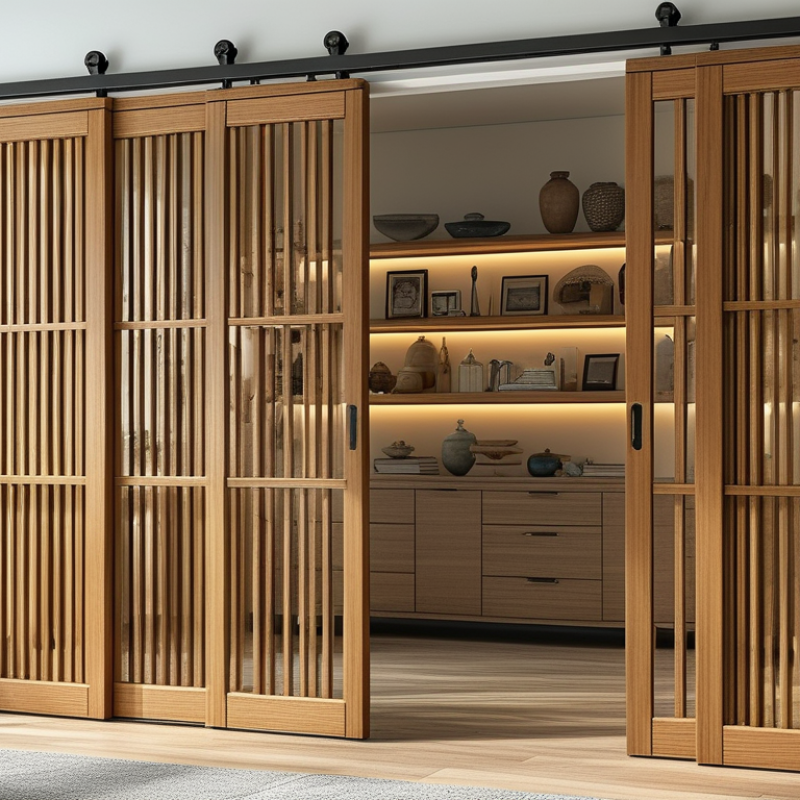
Understanding Different Types of Sliding Doors: Materials and Styles
When selecting sliding doors, understanding materials and styles is essential.
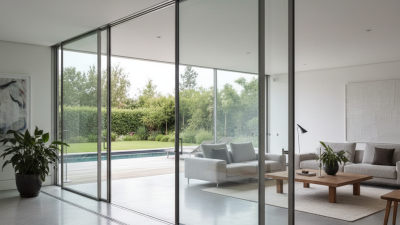
Glass sliding doors offer a sleek, modern look. They bring in natural light, creating a spacious feel.
However, privacy can be a concern. Consider frosted or textured glass for a balance between light and seclusion.
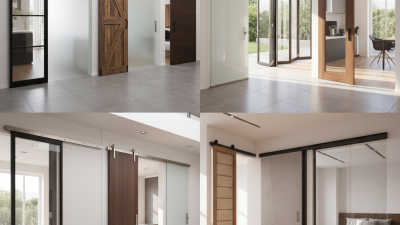
Wood sliding doors add warmth and charm. They come in various finishes and styles, from rustic to contemporary.
Yet, wood requires maintenance to prevent warping.
Metal sliding doors are durable and work well in industrial settings. They often have a minimalist appeal but can feel cold in some designs.
Each style has its perks and drawbacks. Evaluate how often you'll use the doors. Think about your space's overall theme.
Mixing materials can yield unique results. Balance functionality with aesthetics to ensure long-term satisfaction.
Don't shy away from asking experts for insights. Their experience can guide you in making the right choice.
Evaluating the Importance of Roller Systems: Smooth Operation and Durability
When selecting sliding doors, the roller system plays a critical role in performance.
Smooth operation is essential for user satisfaction. According to a report by the American Institute of Architects, nearly
70% of homeowners prioritize ease of use in their doors. A quality
roller system ensures effortless gliding, reducing strain and frustration during operation.
Choosing the right rails is equally important. A durable rail system enhances the
longevity of the doors. Industry data shows that doors equipped with high-grade rail systems last up to 20% longer than those with standard options.
This investment can lead to significant cost savings in the long run. Observing wear and tear on existing systems can help
inform better decision-making.
Tips:
Look for rollers made from materials like nylon or stainless steel. They often offer better resistance to wear. Regular
maintenance checks on the roller systems can prevent costly repairs. Ensure that you have a suitable rail thickness for
the size of the door. Engaging with local contractors for advice can provide insights tailored to your specific needs.
These small, thoughtful choices can make a big difference.
Assessing Door Size and Space Requirements for Optimal Functionality
Choosing the right sliding doors and rails involves careful consideration of size and space. Proper measurements ensure smooth functionality. Start by measuring the opening width and height. Leave room for track installation. If the space is too narrow, doors can jam. A minimum clearance of 1-2 inches is often necessary.
Consider the space around the door. Is there furniture blocking it? Will it swing freely? Assessing the layout is crucial. For a tight area, a pocket door might work better. If you have high ceilings, tall doors can add a dramatic effect but may require extra support.
Reflect on your needs as well. Think about design and practicality. Are you prioritizing aesthetics or durability? Each choice affects overall usability. Balancing personal style with function is not always easy. Taking the time to evaluate these factors leads to a more satisfying end result.
Choosing the Right Track System: Surface-Mounted vs. Recessed Solutions
Choosing the right track system is crucial when installing sliding doors. There are two main types: surface-mounted and recessed solutions.
Surface-mounted tracks are visible when the door is closed. They can be easier to install, making them a favored choice for many DIY enthusiasts. However, their visibility can disrupt a streamlined look in modern interiors.
Recessed tracks, on the other hand, are hidden within the wall. This allows for a clean, seamless appearance. They can enhance aesthetics, especially in minimalist designs. Installation can be more complex and may require professional help. This might lead to higher costs and a longer installation timeframe.
When weighing options, consider the overall design and functionality needed. Think about space constraints and usage frequency. A sliding door might be functional, but it must also complement your decor. Both systems have their pros and cons. Making the right choice means understanding your specific needs and the limitations of each track type. Reflect on your priorities before making a final decision.
Cost Analysis: Balancing Quality and Budget for Sliding Doors and Rails
When considering sliding doors and rails, cost plays a significant role in the decision-making process. According to industry data, the average cost of high-quality sliding door systems ranges from $500 to $2,500. Budget constraints often force homeowners to compromise on materials and durability, which may lead to higher long-term costs. Cheaper options may need frequent replacements or repairs. A detailed analysis of your needs versus available options is crucial.
Quality vs. budget is a constant struggle. For instance, steel rails may be more expensive upfront but can last for decades. Conversely, wood may appear appealing but can warp or crack with moisture, leading to additional expenses. Research shows that 60% of consumers value longevity over initial pricing. Evaluating underlying costs helps mitigate future investments. Many fail to recognize this when opting for economical solutions, only to regret their choices later.