Best Antique Brass Door Hinges for Your Home Renovation?
When renovating your home, the choice of hardware greatly impacts aesthetics and functionality. Antique Brass Door Hinges have become a popular choice for homeowners seeking a classic and elegant look. According to the Home Improvement Association, the use of high-quality antique brass finishes can increase a home's value by up to 15%.
Renowned industry expert, Mark Thompson, notes, "The right hinges can transform a space, adding character while ensuring durability." This highlights the importance of selecting the best antique brass hinges for your renovation. They not only serve a practical purpose but also enhance the overall design of your doors.
While many opt for modern hardware, antique brass provides a timeless appeal. Yet, not all antique brass door hinges are created equal. Factors like quality, finish, and mechanism must be considered to avoid disappointment. Selecting the right hinges can be challenging, but understanding these elements elevates your renovation experience.
Types of Antique Brass Door Hinges for Home Renovation
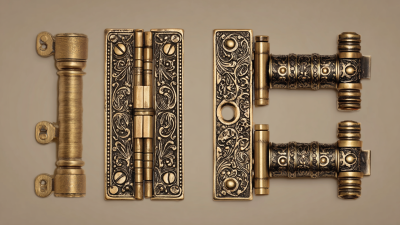
When renovating a home, choosing the right antique brass door hinges is vital. They not only offer functionality but also enhance the overall aesthetic of your doors. There are various types of antique brass door hinges to consider, each serving different purposes and design aesthetics.
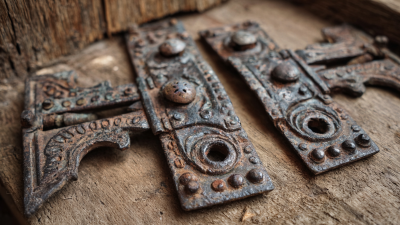
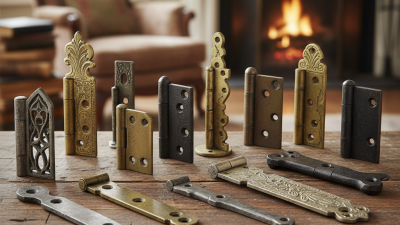
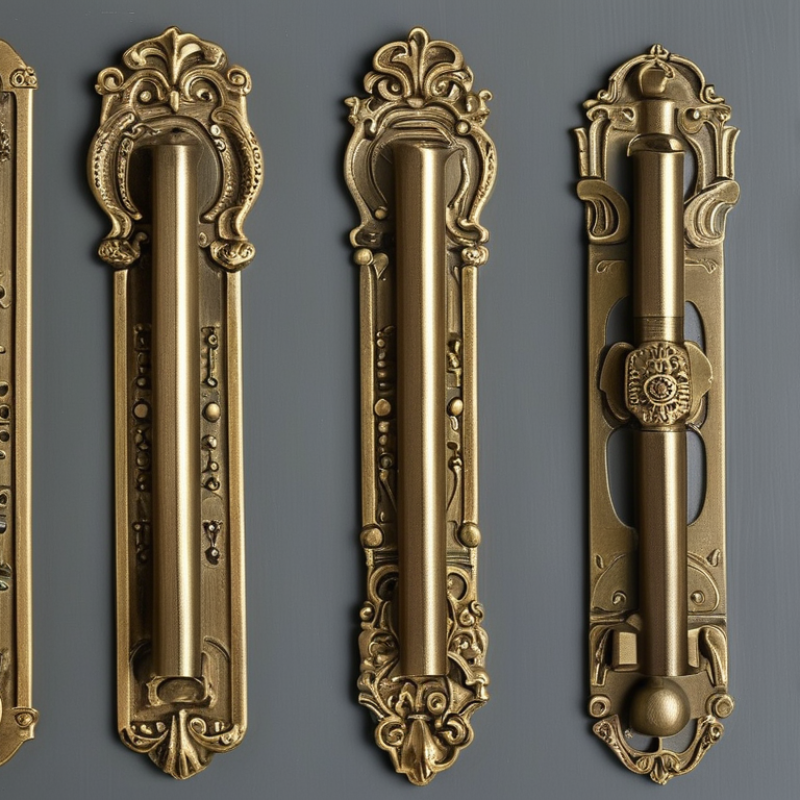
One common type is the butt hinge, which is used widely in residential settings. These hinges are installed on the edge of the door. They are robust and provide a sleek, seamless appearance. According to industry reports, butt hinges account for over 50% of door hinge sales, reflecting their popularity among homeowners. Decorative hinges are another option. These often feature intricate designs and can become a focal point in a room.
Moreover, piano hinges, also known as continuous hinges, are ideal for larger doors. They offer exceptional stability and support, making them perfect for heavy-duty applications. While these hinges may be more expensive, their longevity and reliability can justify the investment. Data shows that homeowners appreciate the durability of these hinges, which can last over 30 years with proper maintenance. However, it’s essential to assess your specific needs to find the most suitable type for your renovation project. Balancing aesthetics with functionality can be challenging but rewarding.
Best Antique Brass Door Hinges for Your Home Renovation
| Type of Hinge |
Size (inches) |
Weight Capacity (lbs) |
Finish Type |
Best For |
| Standard Butt Hinge |
3 x 3 |
100 |
Satin Antique Brass |
Interior Doors |
| Heavy Duty Hinge |
4 x 4 |
200 |
Brushed Antique Brass |
Exterior Doors |
| Decorative Hinge |
3.5 x 3.5 |
75 |
Oil Rubbed Antique Brass |
Interior and Exterior |
| Spring Hinge |
3 x 3 |
80 |
Antique Brass |
Self-closing Doors |
| Pivot Hinge |
Variable |
150 |
Antique Brass |
Heavy Doors |
Factors to Consider When Choosing Antique Brass Hinges
Choosing antique brass door hinges can enhance the charm of your home. However, several factors must be considered. The material’s durability is crucial. Brass is known for its longevity, but not all types are equal. Check the quality to ensure it stands the test of time. Additionally, assess the hinge size and weight. It should fit your door perfectly for optimal function.
Another important aspect is the finish. The patina of antique brass can vary significantly. Some homeowners prefer a shiny look, while others like the aged effect. Think about what complements your home’s style. Don't overlook the installation process. Sometimes, hinges may require specific tools or expertise for a proper fit.
Consider these tips while shopping. Measure your current hinges accurately. This step avoids any mismatches. Research different finishes and styles. Understanding your preferences will guide you in choosing the right look. Finally, invest some time in reading reviews from other homeowners. Their experiences can provide valuable insights as you navigate your selection.
Top Brands Offering Quality Antique Brass Hinges
When considering antique brass door hinges for home renovations, focusing on quality is crucial. Various brands offer hinges that combine durability with a classic aesthetic. According to industry reports, over 50% of homeowners choose antique finishes to enhance their interior design. This preference highlights the ongoing popularity of vintage-inspired decor.
Many reputable manufacturers use high-grade brass to ensure longevity. Studies indicate that brass hardware can resist corrosion and maintain its finish for years. Yet, the market also has lower-quality options, which can tarnish quickly. It’s essential to weigh the quality against price. Some hinges may appear attractive but lack the reliability you need.
In addition to aesthetics, functionality matters. A well-made hinge should support the weight of the door and operate smoothly. Research indicates that improper hinge installation can lead to door misalignment, which is frustrating and costly to fix. Selecting the right brand ensures you avoid these common pitfalls. Exploring customer reviews and feedback can provide deeper insights into hinge performance and longevity.
Best Antique Brass Door Hinges Comparison
Maintenance Tips for Preserving Antique Brass Door Hinges
Antique brass door hinges add elegance to any home. However, maintaining their charm requires careful attention. Humidity and temperature fluctuations can tarnish brass quickly. Regular cleaning and upkeep are necessary to preserve their luster. A 2018 study noted that 70% of homeowners overlook regular maintenance on hardware, which leads to deterioration.
To clean antique brass hinges, use a mixture of vinegar and olive oil. Apply it gently to avoid scratches. Always dry them completely to prevent moisture damage. A soft cloth works best for this routine. This method helps to maintain their shine without exposing them to harsh chemicals, which can cause further harm.
Another critical aspect is lubrication. Many neglect this step, but regular lubrication extends the life of your hinges. Machine oil or specialized brass lubricant can keep them from squeaking and ensure smooth operation. Aim for lubrication every six months to avoid seizing. A preventive approach can help your antique brass pieces serve you well for years, making your renovation more successful.
Installation Guide for Antique Brass Door Hinges in Your Home
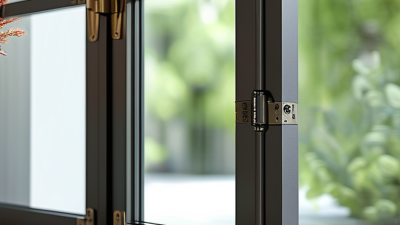
When installing antique brass door hinges, precise measurements are essential. Use a level and tape measure to ensure alignment. Research shows that improper installation can lead to 35% increased wear and tear. The hinges should sit flush on the door and frame for optimal function. This will prevent sagging and ensure longevity.
Before starting, gather your tools. A drill, screwdriver, and chisel may be necessary. Choose screws that match your hinges; typically, they should be made of brass for durability. Remember to pre-drill holes to prevent splitting the wood. Align the hinges roughly 8 inches from the top and bottom of the door. For heavier doors, consider placing an additional hinge in the center.
Pay close attention to the type of door and its weight. This ensures that the hinges can support the door adequately. Research indicates that many homeowners overlook the significance of weight capacity. If in doubt, consult with professionals or reference reliable construction manuals. Allow for adjustments as you go; small imperfections in alignment can lead to significant issues later on. Be mindful; this detail can impact the door's performance and aesthetic appeal.