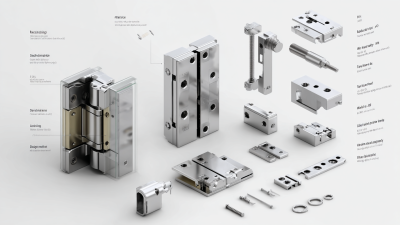
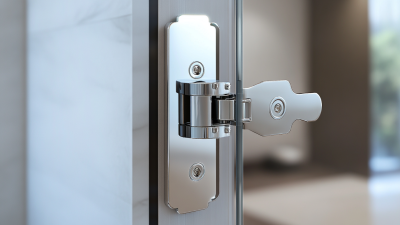
The use of Aluminum Glass Door Hinges has gained significant traction in the construction and architectural sectors. According to a recent report by Market Research Future, the global market for aluminum hardware is projected to grow at a staggering rate, driven by an increasing demand for durable and aesthetically pleasing designs. As more consumers gravitate towards modern solutions for their homes and offices, choosing the right hinges becomes crucial.
Aluminum Glass Door Hinges offer a blend of functionality and style. However, selecting the best option can be daunting. The variety of products available can lead to confusion, as quality and durability differ widely among manufacturers. Many buyers may overlook important factors, such as load capacity or corrosion resistance.
Furthermore, improper installation can compromise both safety and longevity. It's essential to understand the specifications that suit your needs. While this guide aims to provide clarity, it also reflects the ongoing complexity of navigating the hinge market. With a well-informed choice, you can enhance both the performance and aesthetics of your doors, ensuring they stand the test of time.
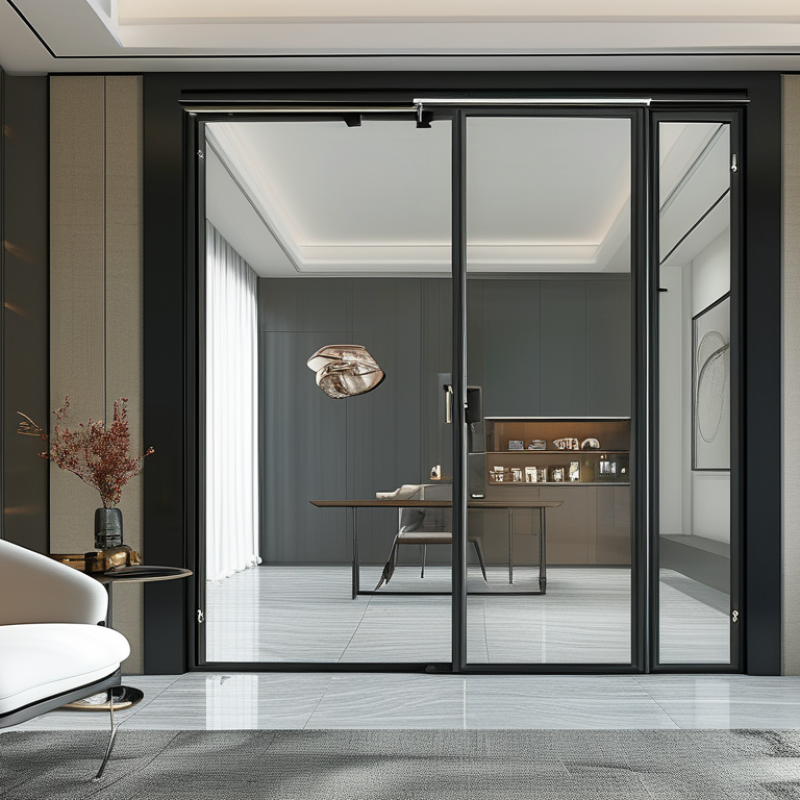
Aluminum glass door hinges play a crucial role in modern architecture, blending aesthetics and functionality. These hinges not only support heavy glass panels but also enhance the overall appearance of buildings. With an increasing trend towards glass facades, the demand for durable and reliable hinges is on the rise. A recent industry report indicates that the global market for architectural hardware is anticipated to reach $80 billion by 2025, showcasing the importance of quality components like aluminum glass door hinges.
Installing the right hinge is vital for safety and performance. Selecting the appropriate load capacity is essential. Most professionals recommend choosing hinges that support at least 1.5 times the door weight. Inadequate support may lead to misalignment and functionality issues. Ensure that hinges are made from corrosion-resistant materials to prolong their lifespan.
Tip: Regular maintenance checks can prevent hinge failure. Inspect for wear and tear every six months to ensure smooth operation. It's easy to overlook aging hinges, but small issues can escalate quickly.
Additionally, consider the aesthetic impact. Well-chosen door hinges can complement the architectural style, offering both beauty and reliability. Remember, the goal is not only functionality but also creating an inviting environment. Selecting the right aluminum glass door hinges requires careful thought and knowledge of design trends.
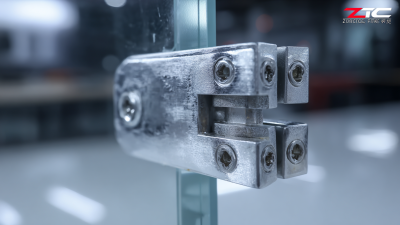
When selecting aluminum glass door hinges, several key factors come into play. The material quality is paramount. Look for hinges made from robust aluminum to ensure they withstand daily use. Corrosion resistance is also essential, especially in humid environments. A hinge should last without degrading over time. Consider weight capacity as well; different hinges support varying weights. Misjudging this could lead to premature failures.
Another critical aspect is design compatibility. The hinge must align with the door style and frame. A mismatch can lead to aesthetic displeasure or mechanical issues. Also, pay attention to installation requirements. Some hinges may require specific tools or skills, which could complicate the process.
Adjustability can be a game-changer. Hinges allowing for slight modifications can aid in alignment after installation. A misaligned door can be frustrating. Finally, evaluate the warranty offered. This reflects the manufacturer’s confidence in their product and can be a safety net for you. Making a thoughtful choice will save time and costs in the long run.
When selecting aluminum glass door hinges, understanding the market landscape is crucial. Many brands offer varying qualities and designs. The best hinges ensure durability and smooth operation. They should be corrosion-resistant, as these hinges often face outdoor conditions. Poorly made hinges can lead to functionality issues over time.
Analyzing the top brands reveals significant differences. Some focus on aesthetic appeal while others prioritize strength. Consider the materials used and the manufacturing process. A hinge that looks great might not perform well. Pay attention to user reviews, as they reflect common issues. Many customers report problems with misalignment or squeaking noises. This feedback can guide your decision effectively.
Choosing the right hinge is not just about brand preference. It requires careful evaluation of both performance and design. Check if the hinge complies with industry standards. This verification adds a layer of confidence in your purchase. Remember, a hinge is a small component but plays a significant role in the overall functionality of your door.
Installing aluminum glass door hinges can be a straightforward task, but several common issues may arise. One challenge is ensuring proper alignment. If the hinges are not aligned correctly, the door may not close smoothly. A slight misalignment can lead to gaps, impacting security and energy efficiency. Using a level during installation helps achieve the right fit.
Another typical issue involves door weight. Aluminum glass doors can be heavy, causing undue stress on hinges. Ensure the chosen hinges are rated for the door's weight. If the hinges sag, it might be necessary to add support brackets.
Lastly, weather exposure can affect hinge performance. Corrosion is a concern for outdoor installations. Using quality materials with corrosion resistance is crucial for longevity. Regular maintenance checks can prevent wear and ensure smooth operation. Addressing these common issues proactively aids in achieving a reliable installation.
| Question | Common Issues | Proposed Solutions |
|---|---|---|
| What are the different types of aluminum glass door hinges? | Improper hinge selection can lead to door misalignment. | Ensure to choose the right hinge type based on door weight and usage. |
| How can I determine the correct size of the hinge? | Using a hinge that is too small may cause failure. | Measure the door thickness and weight, and refer to a hinge sizing chart. |
| What materials are best for aluminum glass door hinges? | Rust and corrosion can affect durability. | Choose hinges made from stainless steel or coated aluminum. |
| What installation tools are required? | Lack of proper tools can lead to improper installation. | Ensure you have a drill, screwdriver, and level on hand. |
| How do I align the door after installation? | Misalignment can cause the door to stick or drag. | Adjust the hinges until proper alignment is achieved. |
| Can I use standard hinges for aluminum glass doors? | Using standard hinges may not provide adequate support. | Use hinges specifically designed for aluminum glass applications. |
| What maintenance is required for aluminum glass door hinges? | Poor maintenance can lead to rust and squeaking. | Regularly clean and lubricate the hinges. |
| What should I do if the door is hard to open? | Resistance can indicate a problem with the hinges or alignment. | Check hinge alignment and lubricate if necessary. |
| Are there weight limits for aluminum glass door hinges? | Exceeding weight limits can lead to hinge failure. | Refer to manufacturer specifications for weight limits. |
| What are the signs that I need new hinges? | Worn or damaged hinges can affect door functionality. | Look for rust, broken components, or excessive wear. |
Aluminum glass door hinges require regular maintenance to ensure a long lifespan. One key aspect is lubrication. Apply a silicone-based lubricant to the hinges every six months. This reduces friction and prevents rust. It's essential to prevent corrosion, especially in humid environments.
Checking for any loose screws is another critical step. Tighten screws as needed to keep the hinge securely in place. Over time, wear and tear can cause misalignment. Misalignment leads to doors not closing properly, which can further damage the hinges. Regularly examining the hinges can help catch these issues early.
Cleaning the hinges helps minimize dirt build-up. Dust, grime, and debris can compromise their function. Use a soft cloth with warm, soapy water to wipe the surface. Avoid abrasive materials, as they can scratch the finish. If you notice excessive wear or damage, consider replacing the hinges. It’s a small investment for the durability of your doors.