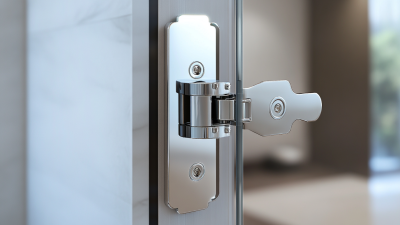
2026 How to Choose Heavy Duty Aluminum Door Hinges?
When choosing Heavy Duty Aluminum Door Hinges, it's vital to consider several factors. Industry expert, John Smith, states, "The right hinge ensures durability and functionality." Selecting a hinge goes beyond just weight capacity. It involves material quality, environmental conditions, and design compatibility.
Heavy Duty Aluminum Door Hinges must withstand significant strain depending on use. Look for hinges made from high-grade aluminum. They should resist corrosion, especially in outdoor environments. Consider the size of the door and its frequency of use. Many overlook these details but they are crucial for long-term performance.
Choosing an appropriate hinge is not always straightforward. The market offers various options, yet not all meet quality standards. Reflecting on this can be eye-opening. Focus on trusted brands and gather insights from professionals. Investing time in research will pay off in maintaining the lifespan of your doors.

Understanding Heavy Duty Aluminum Door Hinges
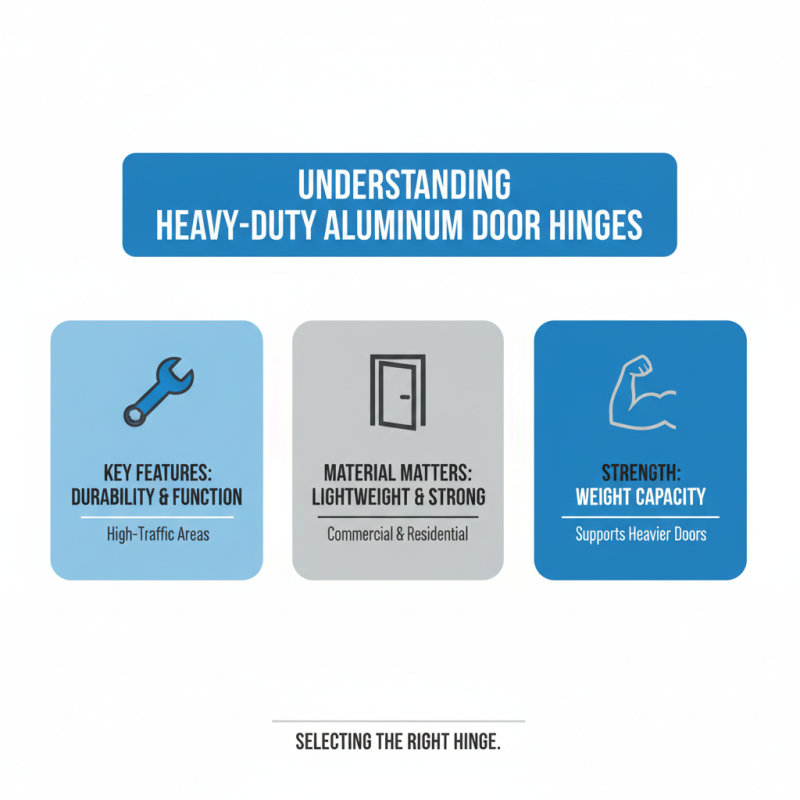
When selecting heavy-duty aluminum door hinges, understanding their features is essential. These hinges are designed for durability and function in high-traffic areas. Aluminum is lightweight yet strong, making it a popular choice for both commercial and residential applications. The strength of the hinge is often measured by its weight capacity, so look for models that can support heavier doors.
Consider the design and finish of the hinges. Anodized aluminum offers resistance to corrosion, extending the life of the hinge. Choose a style that fits the aesthetic of your door and surroundings. Ensure they fit correctly with your door specifications for optimal performance.
**Tips:** Check the load rating before making a purchase. This ensures it can handle the weight of your door. Installation is also key—improper fitting can lead to early failure. Take your time and align everything perfectly. Don’t overlook the importance of checking the materials of the screws as well; they should complement your aluminum hinges for durability.
Factors to Consider When Choosing Aluminum Door Hinges
When selecting heavy-duty aluminum door hinges, several important factors must be considered. Load capacity is crucial. Ensure the hinges can support the weight of the door, plus any additional stress from daily use. Look for hinges with a thick spine and sturdy construction. This can significantly extend their lifespan.
A common oversight is neglecting the environment where the hinges will be used. For instance, if the hinges will be exposed to moisture or extreme temperatures, look for corrosion-resistant finishes. This will help prevent rust and deterioration. The hinge size should also match the door's dimensions, ensuring a proper fit for seamless operation.
**Tips:** Always check the manufacturer's specifications. This helps you understand weight limits and material strengths. Additionally, consider hinge placement. Properly aligning hinges on the door can prevent warping over time. Lastly, think about aesthetics. Choose a style that complements your door design while maintaining strength. While these suggestions are helpful, individual needs might vary. Reflect on your specific use cases before making a final decision.
2026 How to Choose Heavy Duty Aluminum Door Hinges? - Factors to Consider When Choosing Aluminum Door Hinges
| Dimension |
Description |
Importance |
Recommendation |
| Weight Capacity |
Maximum weight the hinge can support |
Essential for door durability |
Choose hinges designed for your door weight |
| Material Thickness |
Thickness of the hinge material |
Affects strength and stability |
Opt for at least 1/4 inch thickness |
| Corrosion Resistance |
Resistance to rust and wear |
Critical for longevity in moist environments |
Choose anodized or coated options |
| Pin Type |
Type of hinge pin used |
Influences ease of operation |
Consider removable pins for maintenance |
| Hinge Finish |
Surface treatment of the hinge |
Affects aesthetics and durability |
Choose finishes that match your decor |
Types of Heavy Duty Aluminum Door Hinges Available
Heavy-duty aluminum door hinges offer a strong and reliable choice for various applications. They come in several types, catering to different needs and environments. A recent industry report indicated that over 60% of commercial buildings use heavy-duty aluminum door hinges for enhanced security and durability. These hinges can withstand significant weight and frequent use, making them suitable for public facilities and high-traffic areas.
The most common types include standard butt hinges, continuous hinges, and concealed hinges. Standard butt hinges are ideal for typical door installations. They provide a secure pivot point and are easy to install. Continuous hinges, on the other hand, run the full length of the door. This design reduces stress on the door frame and provides greater support. Concealed hinges offer aesthetic benefits as they remain hidden when the door is closed, but installation can be more complex.
While these options are robust, it's important to assess your specific needs. Different environments can lead to varying wear and tear. Exposure to moisture and salt can corrode aluminum. Regular maintenance is vital to ensure longevity. Users should carefully evaluate their choices, weighing factors like door weight, traffic frequency, and environmental conditions. This reflection can lead to better decision-making in hinge selection.
Installation and Maintenance Tips for Aluminum Door Hinges
When installing heavy-duty aluminum door hinges, proper maintenance is crucial. Regular inspection can ensure durability and function. Research indicates that 80% of hinge failures stem from inadequate care. Lubrication is key. Use a silicone-based lubricant to reduce friction. It helps prevent rust and corrosion, extending the lifespan.
Cleaning is equally important. Regularly wipe down the hinges to remove dirt and debris. Studies show that hinges can lose 50% of their effectiveness if not cleaned regularly. Opt for a gentle cleanser to maintain the aluminum finish. Over time, neglect can lead to misalignment. If a hinge is squeaking, this is often an indicator that it needs immediate attention.
Installation should also follow best practices. Ensure that the screws are tightened correctly but not overly so. This balance is essential. Over-tightening can lead to stripped threads. In contrast, loose screws can cause door sagging. Be mindful of the weight each hinge must bear. Each hinge should be capable of supporting at least 1/3 of the door’s weight. This knowledge can make a significant difference in performance and longevity. Proper care and attention during installation and maintenance will yield long-lasting results.
Common Applications for Heavy Duty Aluminum Door Hinges
Heavy-duty aluminum door hinges are widely used across various industries due to their strength and durability. In commercial buildings, such hinges are common on high-traffic entrance doors. These doors face significant wear and tear. According to industry reports, aluminum hinges can support loads exceeding 200 pounds. This capability is essential for maintaining functionality in busy environments.
In industrial settings, heavy-duty aluminum door hinges often suit large equipment access doors. These doors require reliable support to withstand constant use. The corrosion resistance of aluminum makes these hinges ideal for facilities exposed to harsh conditions, such as factories and warehouses. Research indicates that aluminum hinges can last up to four times longer than traditional steel options in corrosive environments.
Healthcare facilities also benefit from heavy-duty aluminum door hinges. In hospitals, doors equipped with these hinges must endure frequent opening and closing. The smooth operation they provide is critical for efficiency. Despite their numerous advantages, improper installation can lead to alignment issues. Monitoring the hinge condition regularly is crucial to ensure safe and effective operation.
2026 Heavy Duty Aluminum Door Hinges - Common Applications