2026 Best Antique Brass Door Hinges for Global Buyers?
In 2026, global buyers are looking beyond appearance when choosing Antique Brass Door Hinges. They want dependable movement, stable finishes, and clear product information. A hinge may look elegant in a showroom, yet perform poorly after repeated use. That difference matters.
This guide examines hinge construction, brass composition, plating methods, load ratings, and installation details. It also considers door weight, screw quality, pin design, and climate exposure. Coastal humidity, dry interiors, and temperature changes can affect surface color and operation. Small details often decide long-term value. Buyers should request dimensional drawings, finish samples, and verified performance data before placing large orders. Supplier experience matters, but it should not replace practical testing. Ask for evidence.
The recommended options are assessed through a buyer-focused lens. We consider craftsmanship, consistency between batches, packaging protection, and communication during production. Reliable suppliers should explain tolerances, maintenance needs, and suitable door applications without making exaggerated promises. A polished antique finish can hide uneven edges or weak knuckles, so visual inspection remains essential. That lesson is easy to overlook.
Some evaluation points are not perfectly objective. Color preferences vary, and “antique brass” can differ between manufacturers. Even experienced buyers may underestimate shipping damage or installation errors. Therefore, this overview leaves room for reflection rather than offering one universal winner. It aims to help architects, hardware distributors, contractors, and homeowners compare products with greater confidence. Practical evidence should guide the final decision. Good hinges should feel quiet, align smoothly, and retain their character over time. That is the real test.
What Defines an Antique Brass Door Hinge?
What Defines an Antique Brass Door Hinge?
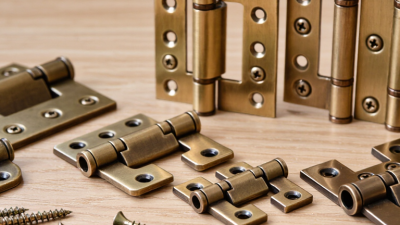
An antique brass door hinge is defined by its material, finish, construction, and visual character—not simply by its age. Solid brass offers a warm, substantial feel, while brass-plated steel has a different core beneath its surface. The finish may be aged chemically or develop a natural patina over time. Look closely at the edges, screw holes, and moving knuckle. Wear often shows there first.
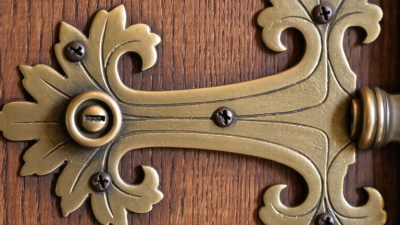
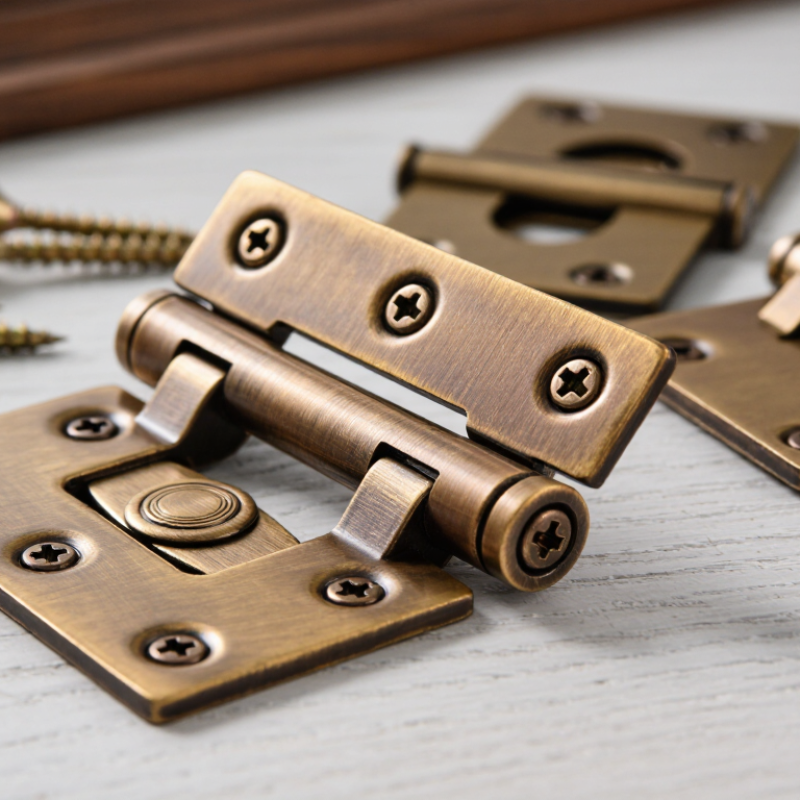
Traditional details can include rounded leaves, visible screw heads, and a muted brown-gold tone. Yet “antique” is not a single standard. Finishes vary between makers, and a distressed surface does not prove the hinge is old. I once assumed a dark finish meant solid brass; that was not a reliable test.
Tips: Check the product specifications for base metal, finish, leaf dimensions, and load guidance. Compare the hinge size with your door’s thickness and weight. If possible, test the swing: it should move smoothly without scraping or excessive play. Patina can add character, but uneven coating or sharp edges deserve a closer look.
Common Types, Materials, and Finish Options
Antique brass door hinges are selected by construction, not color alone. Plain-bearing hinges suit light interior doors, while ball-bearing types reduce friction on heavier, frequently used doors. For demanding applications, compare tested performance: ANSI/BHMA A156.1 assigns cycle benchmarks of 2.5 million, 1.5 million, and 350,000 cycles to Grades 1, 2, and 3, respectively. These figures are laboratory benchmarks, not a promise of service life in every building. Real doors sag, slam, and meet imperfect frames.
Materials shape durability. Solid brass resists corrosion and can be polished or allowed to darken; steel offers strength, but its protective coating matters. Stainless steel is useful in damp settings, though its appearance may not match traditional brass. “Antique brass” usually describes a finish, not the hinge’s underlying metal. Finishes range from brushed and lacquered surfaces to aged, rubbed treatments. A lacquered finish keeps a steadier tone; an unlacquered surface develops patina from touch and air. ASTM B117 provides a salt-spray testing method for comparing coating corrosion resistance, but results depend on test conditions and do not directly predict years of use. Check the substrate, finish process, pin design, and test documentation together. A sample can look convincing. It may still wear unevenly around the knuckles.
How to Choose the Right Hinge for Your Door
Choosing the right antique brass door hinge starts with the door, not the finish. Measure its height, thickness, and weight, then check the existing hinge positions. A solid oak door needs sturdier hinges than a lightweight interior door. Two hinges may suit a small, light door; taller or heavier doors often need three. Always follow the hinge maker’s load guidance, since appearance alone cannot show capacity.
Check the hinge leaf size and screw placement against the door and frame. If replacing old hardware, compare measurements before buying; a few millimeters can leave visible marks or require new holes. For a fresh installation, use a level and keep the hinge barrels aligned. Small errors matter. The door may bind or swing unevenly.
Antique brass can vary from warm, polished gold to a darker, brushed tone. View a sample beside your handle and in the room’s actual light, if possible. Also consider how much maintenance you want: some finishes develop a patina, while coated finishes may keep a more even look. One detail is easy to overlook: hinges can feel different after installation than they do in a display. Test the swing, listen for rubbing, and adjust before tightening every screw. I would not assume one finish or hinge style suits every home.
Quality, Compatibility, and Sourcing Considerations for Global Buyers
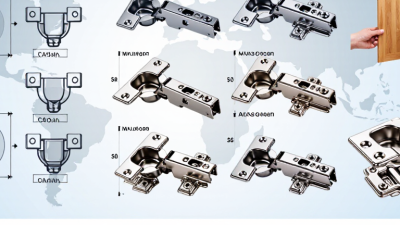
For global buyers, antique brass door hinges should be judged beyond their warm, aged appearance. Quality begins with the base metal, machining, pin alignment, and finish consistency. A well-made hinge should open smoothly without side movement or scraping. Check the leaf thickness, knuckle length, screw-hole spacing, and weight rating before ordering. Small differences can make installation frustrating.
Compatibility deserves equal attention. Measure the existing hinge mortise, door thickness, frame material, and swing direction. Antique brass is not a universal color; samples may range from soft bronze to darker brown. Request a physical sample before approving a large shipment. Compare it under indoor and outdoor lighting. A beautiful hinge can still fail. One overlooked detail is screw length, which may split a thin wooden door or miss the frame structure.
Reliable sourcing depends on clear communication and repeatable inspection. Ask suppliers for material specifications, finish descriptions, load-test information, packaging details, and replacement policies. A small trial order can reveal uneven polishing, loose pins, damaged corners, or inconsistent coloring. For international delivery, sturdy separators and moisture-resistant packing matter. Confirm carton markings, quantities, lead times, and product dimensions in writing. Even careful buyers can miss a measurement when working across languages and time zones. That weakness deserves a second check.