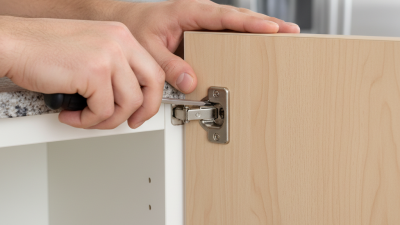
What Are 3D Soft Closing Hinges?
A 3D soft closing hinge combines adjustable door positioning with a built-in mechanism that slows the final part of closing. Instead of letting a cabinet door strike the frame, the damper helps guide it shut more gently. The name can sound more complicated than the hardware is. In everyday use, the “3D” usually describes adjustment in three directions: side to side, up and down, and in or out. These settings help align door edges and manage small gaps after installation.
Searches for “3d Hinges Soft Closing” often lead to hinges designed for kitchen cabinets, wardrobes, and other furniture with hinged doors. Their value is practical: a door can close with less noise, while adjustment makes it easier to correct uneven spacing. Still, results depend on the hinge model, door weight, mounting plate, and careful installation. A damper cannot fix a warped cabinet or a badly positioned door by itself. Check the product’s specifications and test the movement before fitting multiple hinges. That small step matters. This guide explains how these hinges work, what their adjustments change, and what to consider when choosing them. One detail is easy to overlook: “soft closing” does not always mean silent. Each model behaves a little differently, so the best choice depends on the furniture and how the door is used.
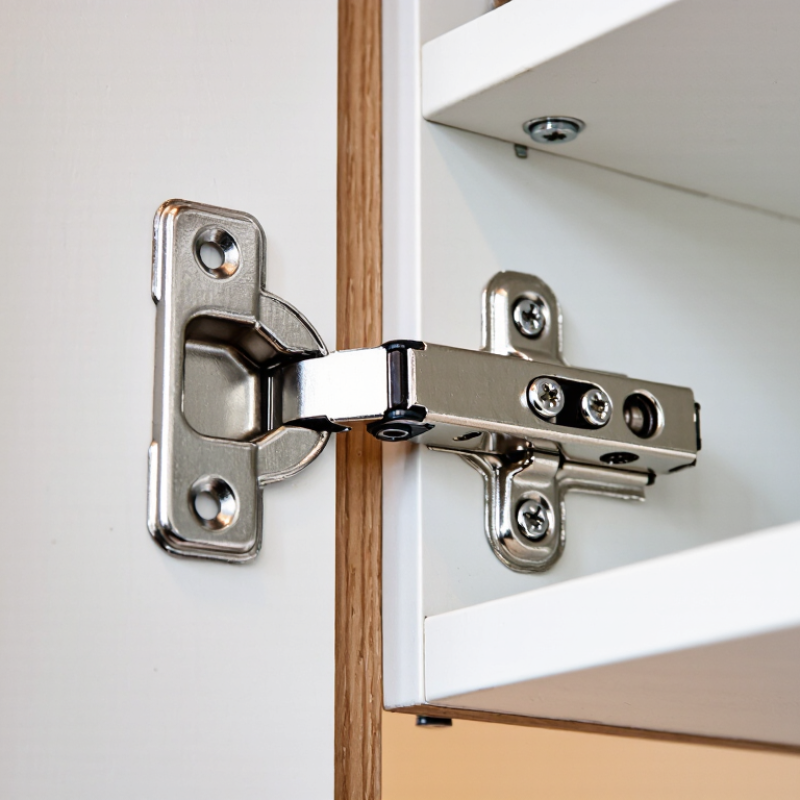
Definition and Core Purpose of 3D Soft Closing Hinges
A 3D soft closing hinge combines two functions: controlled door movement and adjustment in three directions. “3D” refers to fine-tuning the door’s height, side-to-side position, and depth. The soft-close mechanism slows the final part of the swing, helping prevent a sharp cabinet-door impact. In daily use, this means a door can settle quietly against the frame instead of rattling cups on a nearby shelf. Small detail. Noticeable effect.
The core purpose is alignment as much as silence. Cabinet doors can shift slightly during installation or use; three-way adjustment helps correct uneven gaps and rubbing edges without repositioning the cabinet itself. The European standard EN 15570:2008 outlines strength and durability test methods for furniture hinges, including repeated movement. That testing context matters: a hinge should be judged by reliable operation over time, not only by a gentle showroom demonstration. Still, a quiet close does not guarantee good alignment.
For a practical check, open the door halfway and release it. It should close smoothly, without slamming or stopping short. Adjustments may need small, careful turns; overcorrecting can create a new gap on the opposite side. This part is easy to underestimate.
Key Components and How the Hinge Operates
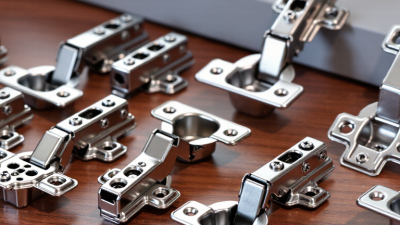
A 3D soft-closing hinge combines a hinge cup, movable arm, mounting plate, adjustment screws, and a damping unit. The cup sits in a bored recess inside the cabinet door. The arm links the door to the cabinet wall, while the plate anchors the hinge. “3D” refers to three-way adjustment: installers can fine-tune door height, side position, and depth. These adjustments help align neighboring doors and even out narrow gaps.
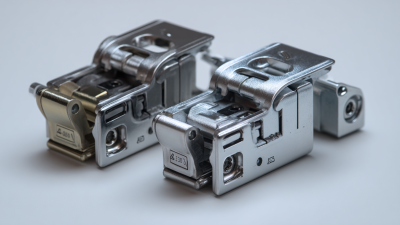
As the door nears the cabinet frame, a spring draws it inward and the damper slows the final movement. Many dampers use a fluid-filled piston, though designs differ. The result should be controlled motion, not a sudden stop. A quiet finish. The precise closing feel depends on door weight, hinge placement, and adjustment; a damper cannot correct a poorly aligned door by itself. Grand View Research’s 2024 furniture-hardware market report estimated the global market at US$22.4 billion in 2023. That figure covers a broad product category, not soft-close hinges alone, but it shows how widely cabinet hardware is used. One detail is easy to miss: adjust the screws in small increments, then test the door. Too much correction can shift the gap elsewhere.
How Three-Dimensional Adjustment Works
A 3D soft-closing hinge lets you adjust a cabinet door in three directions: side to side, up and down, and inward or outward. The soft-close damper slows the door near the end of its swing. The adjustment screws do not control that damping; they position the door. Small turns matter.
Typically, a side screw shifts the door across the cabinet opening, while a height screw or mounting-plate slot raises or lowers it. A depth screw moves the door closer to the cabinet or farther away. The exact layout varies by hinge, so check its fitting instructions before turning screws. Houzz’s 2024 U.S. Kitchen Trends Study reports that 76% of homeowners upgrading cabinets replaced all of them. That scale of replacement makes consistent gaps and alignment practical concerns, not just cosmetic details.
For a hands-on check, close the door slowly and compare its gaps with the neighboring doors. If one corner sits proud, adjust depth in small increments, then recheck the side gap. Not magic. A soft-close hinge cannot correct a twisted cabinet or a loose mounting plate, and over-adjusting one axis may spoil another. It is easy to blame the hinge too quickly.
How the Soft-Close Mechanism Controls Door Movement
What Are 3D Soft Closing Hinges?
How the Soft-Close Mechanism Controls Door Movement
A 3D soft closing hinge combines adjustable positioning with a damping mechanism. The damper slows the door as it approaches the cabinet frame. In many designs, hydraulic fluid passes through a small valve, absorbing movement instead of letting the door strike the cabinet. The result is controlled closure, not simply a spring pulling the door shut.
The three adjustment directions usually control height, side-to-side alignment, and depth. These settings help keep door gaps even and prevent edges from rubbing. The soft-close action may be adjustable or switchable, depending on the hinge design. A useful detail: the damper works best when the door is aligned and the hinge screws are secure. That matters. A heavy door or a misaligned hinge can still close poorly.
For a measurable reference, ANSI/BHMA A156.9, an industry standard for cabinet hardware, includes durability testing. Grade 1 hinges are tested against a benchmark of 100,000 opening-and-closing cycles. That is a laboratory measure, not a guarantee of identical service life in every kitchen. Dust, door weight, and installation quality all affect performance. The adjustment can be fiddly, and a door that closes quietly may still need a small alignment correction.
Common Applications and Factors to Consider When Choosing One
What Are 3D Soft Closing Hinges? Common Applications and Factors to Consider When Choosing One
Three-dimensional soft closing hinges combine controlled closing with adjustments in height, depth, and side position. They suit kitchen cabinets, bathroom vanities, wardrobes, and other frequently used doors. Picture a pantry door closing quietly beside a sleeping child. The damper slows the final movement, while hinge adjustments help align uneven gaps. Soft-close is not magic; a badly fitted hinge can still scrape or leave a door crooked.
Applications vary, so check door material, weight, thickness, overlay, and opening angle before buying. The 2024 U.S. Houzz & Home Study reported a median renovation spend of $24,000 in 2023. That figure covers home projects broadly, not hinge purchases, but it shows why small hardware choices deserve care. For reliable selection, compare the hinge’s stated load and cycle ratings, cup-bore dimensions, adjustment range, and compatibility with the cabinet. Ask an installer to test a sample door: damping that feels gentle on a light door may be weak on a heavier one.
Tips: Measure the existing hinge and door gap first. Check whether the damper can be switched off for small or lightweight doors. Tighten mounting screws after initial use, then recheck alignment. A quiet close is useful; a difficult-to-adjust hinge is not.
What Are 3D Soft-Closing Hinges?
Three-way adjustment helps align a cabinet door in three directions. Each bar represents one independent adjustment axis.
Common applications: kitchen, bathroom, and wardrobe cabinet doors. When choosing a hinge, check door weight and dimensions, overlay or inset configuration, compatibility with the cabinet and door materials, opening angle, and whether the soft-close action suits the door.