How to Choose the Best Woodworking Drawer Slides for Your Projects?
When embarking on woodworking projects, choosing the right woodworking drawer slides is crucial. According to a report by the Kitchen Cabinet Manufacturers Association, nearly 75% of consumers prioritize smooth functionality in furniture. This statistic emphasizes the importance of quality drawer slides in crafting functional pieces. These slides significantly impact not only ease of use but also the overall aesthetic of cabinetry and furniture.
The market offers a variety of options for woodworking drawer slides, each designed for different needs. Understanding the types—such as side-mount, under-mount, or center-mount—can be overwhelming. A study from the Woodworkers Guild found that 68% of hobbyists regretted their choice in slides, often due to a lack of information. This highlights the need for informed decision-making.
Quality slides can enhance durability and performance, yet many overlook this aspect. A poor choice may lead to squeaking or sticking, causing frustration. Hence, it is essential to consider factors like weight capacity, material, and installation ease. Making choices based on detailed specifications rather than aesthetics alone can lead to more successful outcomes in woodworking projects.
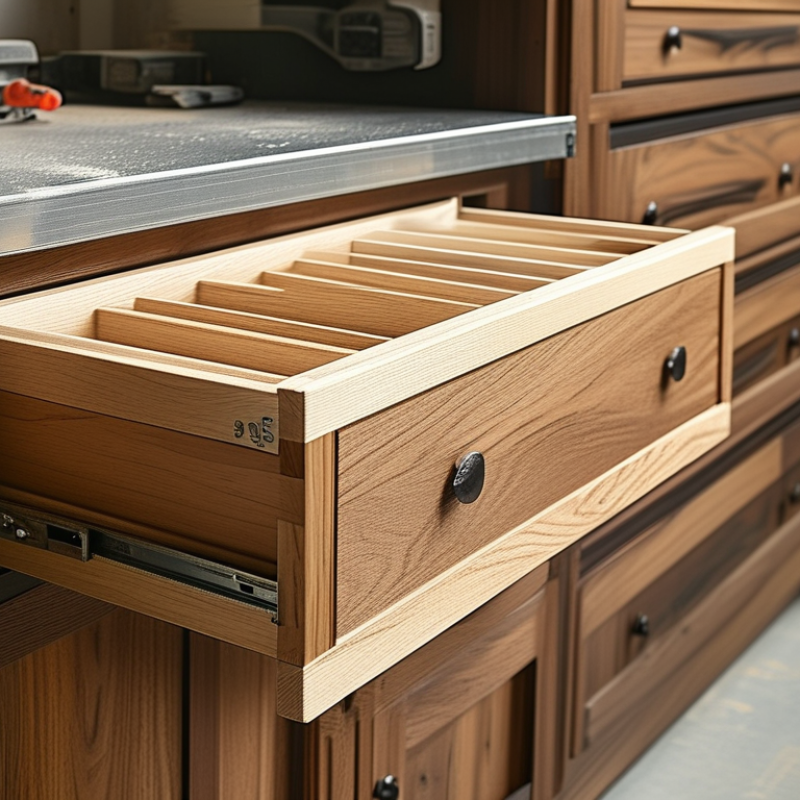
Understanding the Different Types of Woodworking Drawer Slides
When selecting woodworking drawer slides, understanding their types is crucial. There are three main types: side-mounted, under-mounted, and center-mounted slides. Side-mounted slides attach to the sides of the drawer and are the most common. They allow for easy installation and maintenance. However, they can take up valuable space inside the drawer.
Under-mounted slides provide a sleek look. They hide the hardware underneath the drawer. This type often supports heavier loads while ensuring smooth operation. On the downside, installation can be tricky. You must ensure precise measurements for effective alignment.
Center-mounted slides attach to the bottom center of the drawer. They are simple but may limit drawer size. Not all projects benefit from this option. It’s important to think about what you want from your drawers. Consider weight capacity, smoothness, and aesthetics when making a choice. Each type has pros and cons that vary with specific projects. Thoughtful reflection on your needs will guide you to the best option.
Comparison of Different Types of Woodworking Drawer Slides
Evaluating Load Capacity and Durability for Your Projects
When choosing woodworking drawer slides, assessing load capacity and durability is critical. According to industry standards, the average load capacity for drawer slides ranges from 75 to 250 pounds. This variation directly impacts your choice, depending on the intended use. For example, heavier items like tools or kitchenware require slides with a higher load capacity.
Durability is another crucial factor. It's important to note that not all slides are built to withstand prolonged use. A study by the American Woodworking Institute highlighted that heavy-duty slides often feature steel ball bearings, enhancing both performance and longevity. These slides can offer a lifespan of 50,000 cycles or more. However, standard models may only last around 20,000 cycles, which can affect your project's outcome over time.
Furthermore, consider environmental factors like humidity and temperature changes. Wood can expand or contract in varying conditions, affecting slide performance. Some slides may not accommodate these shifts, leading to issues. Always reflect on whether the selected slides can endure these challenges based on where they will be installed. This can save you from potential rework in the future.
Choosing the Right Material for Drawer Slides: Wood vs. Metal
Choosing the right material for drawer slides is essential. Wood and metal each have distinct characteristics.
Wood offers a classic look and can blend nicely with various furniture styles. It can be easy to work with, and you can customize it easily.
However, wood may warp or shrink over time, especially in fluctuating humidity.
On the other hand, metal slides provide durability and stability. They are typically easier to install and maintain.
Metal slides work well in high-use situations. While they can be less visually appealing in traditional designs, their strength might outweigh aesthetic concerns.
The weight-bearing capacity is generally higher with metal.
Consider your project requirements. Are aesthetics more important, or will functionality take precedence?
Each material brings both benefits and drawbacks. Reflecting on your priorities will guide you in making a more informed choice.
Ultimately, try experimenting with both types in smaller projects to see what works best for you.
Measuring Your Drawers: Key Dimensions for Proper Fit
Measuring your drawers accurately is crucial for a proper fit. To achieve this, start by measuring the width, depth, and height of the drawer cavity. According to industry reports, 70% of poor installations occur due to inaccurate measurements. Ensure you account for the thickness of the drawer front when determining the total width.
Depth is equally vital. Standard drawer slides require about ½ inch clearance at the back. Mishandling this could compromise function, leading to frustrating experiences. A gap of more than ¼ inch is often unnecessary and can devalue the craftsmanship.
Consideration of load capacity is another area where some fail to reflect. Many woodworkers overlook the importance of the slide's weight rating. Understanding the weight potential can prevent future mishaps. In some cases, using slides rated for significantly higher weights offers a buffer for unforeseen usage. Adapting these details can make a notable difference in your woodworking projects. Keep measuring, stay precise, and don't ignore the small details that matter.
Installation Tips for Optimal Functionality and Smooth Operation
When installing woodworking drawer slides, proper techniques are essential for achieving optimal functionality. Start by measuring your drawer and the space available in the cabinet. Accurate measurements prevent gaps and ensure smooth movement.
Consider the weight of the items you will store in the drawer. Choose slides that can handle this weight without drooping over time.
Ensure that you align the slides correctly. Misalignment can cause the drawer to stick or wobble. Use clamps to hold the slides in place while you secure them. This method helps maintain the correct position during installation. Remember to check for any obstructions that might interfere with the drawer's movement.
Testing the drawer after installation is crucial. Open and close it several times to ensure smooth operation. If the drawer sticks, reassess your installation. Sometimes, small adjustments can make a significant difference. Reflect on your technique and learn from any hurdles. This process will enhance your skills for future projects.