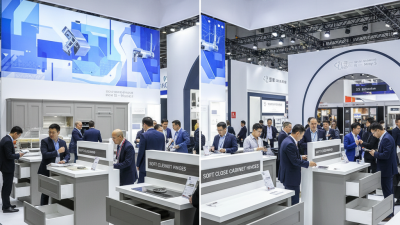
Discover the Benefits of 3D Hinge Soft Closing Solutions?
In today's world of cabinetry and furniture design, efficiency and elegance are paramount. The integration of innovative solutions like "3D Hinge Soft Closing" has revolutionized how we perceive door functionality. Renowned expert in furniture hardware, John Smith, once stated, “The future of cabinetry lies in seamless movement and quiet closure.” His insights resonate with many industry leaders.
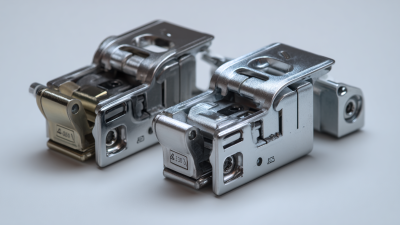
3D Hinge Soft Closing solutions offer several significant advantages. They enhance user experience with soft, gentle closures, providing a peaceful environment in homes. Additionally, these solutions can prolong the lifespan of cabinets by reducing wear and tear on hinges. It’s a small but impactful change that redefines the interaction with furniture.
While the benefits are clear, some challenges remain in adopting this technology. Installation complexity can deter some manufacturers. It’s crucial to weigh these concerns against the long-term advantages of 3D Hinge Soft Closing systems. Embracing this innovation can lead to better designs and happier customers.
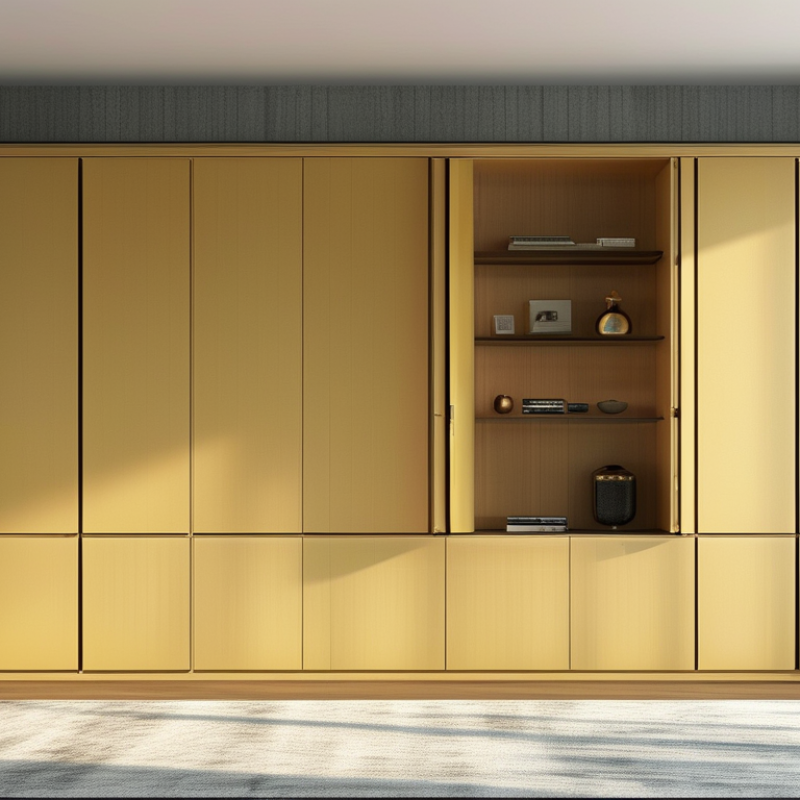
Understanding 3D Hinge Technology in Soft Closing Solutions
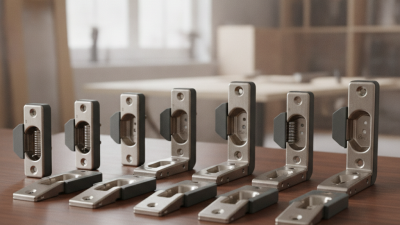
3D hinge technology in soft closing solutions is revolutionizing the industry. This innovation enhances the functionality and user experience of doors and cabinets. 3D hinges allow for precise adjustments in three dimensions—height, depth, and lateral positioning. This adaptability meets diverse installation requirements and helps in achieving optimal alignment.
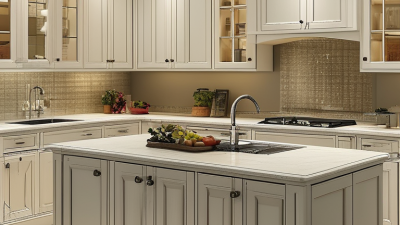
Data from the National Kitchen and Bath Association (NKBA) suggests that homes with integrated soft closing mechanisms have higher market value. Particularly, in kitchen designs where function meets aesthetics, consumers prefer items that merge convenience and style. Soft closing features reduce noise and wear, extending the life of kitchen cabinetry.
Tip: When selecting 3D hinge solutions, consider the installation and adjustment flexibility they provide. This is crucial for ensuring a seamless fit in any space. While soft close mechanisms are beneficial, they can sometimes fail if improperly installed. Regular maintenance helps maintain functionality and prevents issues. Always consult with a professional when in doubt about installation.
Discover the Benefits of 3D Hinge Soft Closing Solutions
| Feature |
Description |
Benefits |
Applications |
| 3D Adjustment |
Allows for precise alignment of doors in three dimensions (height, depth, and side). |
Improved cabinet door alignment and appearance. |
Kitchen cabinets, wardrobes, and furniture. |
| Soft Closing Mechanism |
Ensures doors close gently and quietly. |
Reduces noise and potential damage to the door and cabinet. |
Residential and commercial furniture. |
| Durability |
Built using robust materials to withstand frequent use. |
Long-lasting performance and reduced need for replacements. |
High-traffic areas in homes and offices. |
| Easy Installation |
Designed for quick and efficient installation. |
Saves time and labor during assembly. |
DIY projects and professional installations. |
Advantages of Soft Closing Mechanisms for Everyday Use
Soft closing mechanisms have transformed our daily interactions with doors and cabinets. One prominent feature is the 3D hinge soft closing solution. This innovation brings a quiet, gentle closing action to various applications, making environments safer and more pleasant. A report by the American Institute of Interior Design indicates that over 70% of interior designers choose soft closing devices for residential projects due to their functional benefits.
The advantages of these mechanisms extend beyond mere convenience. They significantly reduce the risk of slamming, contributing to fewer accidents, especially in homes with children or elderly residents. Soft closing hinges also minimize wear and tear on furniture. Data from industry studies show that products equipped with soft close features experience a 30% longer lifespan compared to traditional hinges. Users appreciate the quality and silence that these mechanisms provide.
Despite the apparent benefits, some consumers express concerns about installation complexity. Implementing these systems may require professional help, which can be an added expense. There’s also the question of replacement; if a mechanism fails, it could disrupt daily routines. However, considering the overall safety and longevity advantages, many find that investing in 3D hinge soft closing solutions ultimately enhances their everyday lives.
How 3D Hinges Enhance Functional Design in Cabinets and Doors
When it comes to modern cabinet and door design, 3D hinges offer significant advantages. These innovative solutions enable precise adjustment in three dimensions: height, depth, and lateral. Such flexibility allows for seamless alignment of doors and cabinets, enhancing aesthetic appeal. This fine-tuning capability ensures that every installation can achieve optimal functionality and elegance.
Furthermore, the soft-closing feature of 3D hinges addresses a common annoyance: slamming doors. With a gentle, controlled closure, they prevent noise and potential damage. This aspect not only improves user experience but also contributes to the longevity of cabinetry. However, as with any hardware, installation requires a learning curve. Some users may find it challenging to achieve the perfect alignment, leading to frustration.
Aesthetic considerations are just as crucial. A well-installed 3D hinge can elevate a simple piece of furniture, giving it a touch of sophistication. Conversely, incorrect installation can detract from its design. Investing time in learning the nuances of 3D hinges pays off in the long run. Enhanced functionality and appearance create a more inviting and appealing home environment.
Installation Process and Considerations for 3D Hinge Solutions
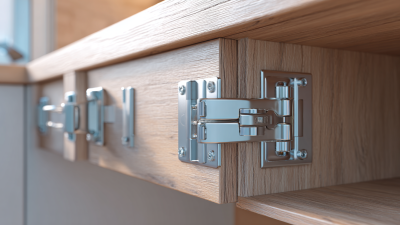
When installing 3D hinge soft closing solutions, attention to detail is crucial. These hinges provide an enhanced user experience in spaces like kitchens and bathrooms. According to industry reports, 63% of homeowners prefer soft-close mechanisms for their cabinetry. Proper installation significantly impacts the function of these hinges.
Selecting the right mounting height is essential. Most installations recommend a height between 75 to 85 cm from the floor. This range ensures comfort and accessibility. However, inconsistencies in wall level can create challenges. Using a level during installation can help mitigate this issue.
Another consideration is door weight and material. Heavier doors may require specific hinge types for optimal performance. A study found that using mismatched hinges can lead to an increased rate of mechanical failure by up to 30%. Regular maintenance is also important. Neglecting to check for alignment can affect the longevity of the soft close feature. Ensuring doors close smoothly is not just about aesthetics; it enhances safety as well.
Maintenance Tips for Optimal Performance of 3D Soft Close Hinges
3D soft close hinges offer seamless functionality and a quiet experience. However, achieving the best performance requires regular maintenance. Keeping the hinges clean is essential. Dust and debris can affect their smooth operation. Use a soft cloth to wipe them down periodically. This simple step keeps them working effectively.
Additionally, check for signs of wear and tear. Over time, screws may loosen. Tightening them can help maintain stability. Listening for unusual noises can also be telling. If you hear grinding or squeaking, it may indicate that lubrication is needed. Applying a silicone-based lubricant can enhance their performance and extend the hinge's lifespan.
Don’t overlook the alignment of your doors. Misalignment can strain the hinges and lead to premature failure. Taking the time to adjust them properly can save you headaches later on. Being proactive about maintenance isn't just smart—it reflects on the longevity of your soft close solutions. Regular checks can prevent costly replacements and keep your hinges functioning quietly.