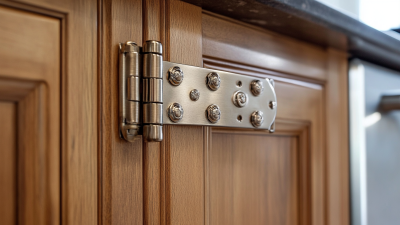
How to Choose Soft Close Cabinet Hinges for Your Needs?
When it comes to kitchen or bathroom design, choosing the right components is essential. One often overlooked aspect is the hardware used in cabinetry. Soft Close Cabinet Hinges are a game-changer in this area. They not only enhance the aesthetics but also improve functionality. Many homeowners appreciate how these hinges prevent doors from slamming shut. This feature extends the lifespan of cabinets and ensures a quieter home environment.
However, selecting the appropriate Soft Close Cabinet Hinges can be challenging. There are various designs and specifications available on the market. Factors such as cabinet weight, door size, and materials all play a significant role in determining the right hinge. Research and careful consideration are crucial to avoid mistakes. It's essential to match the hinges with your specific cabinetry for optimal performance.
While the benefits are clear, some may struggle to find the perfect fit. Improper installation can lead to frustration and even damage. It's worth reflecting on the learning curve involved. Taking the time to understand your needs will ultimately lead to a more satisfying result. Soft Close Cabinet Hinges can transform your space, but only if chosen correctly.
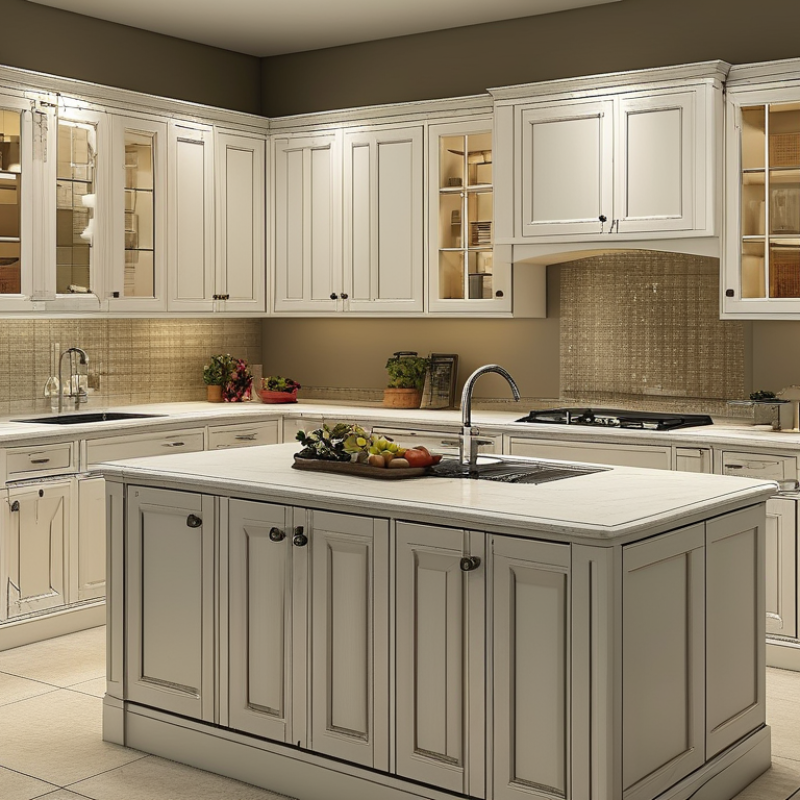
Understanding Soft Close Cabinet Hinges: Key Features and Benefits
Soft close cabinet hinges are becoming a popular choice in modern cabinetry. Their key feature is the ability to close softly and quietly, which can enhance user experience. According to a survey conducted by the Cabinet Makers Association, about 70% of consumers prioritize quiet operation when selecting cabinet hardware. This functionality not only adds a touch of luxury but also significantly reduces wear and tear on cabinet doors.
Another benefit of these hinges is safety. With soft close mechanisms, the risk of pinched fingers decreases. The American National Standards Institute (ANSI) highlights that accidents related to cabinet doors are common, particularly in households with young children. Soft close hinges mitigate these risks effectively, ensuring a safer environment. Additionally, they contribute to better durability of the cabinetry, potentially extending the lifespan of your furniture by reducing impact stress.
However, while considering soft close hinges, it's essential to understand the installation requirements. Proper alignment and adjustment are critical for optimal performance. Users might face a learning curve if they are not accustomed to hinge systems. It’s crucial to evaluate whether the added benefits align with economic considerations and installation capabilities before making a decision.
How to Choose Soft Close Cabinet Hinges for Your Needs?
| Feature |
Description |
Benefit |
| Self-Closing Mechanism |
Automatically closes the cabinet door softly |
Prevents slamming and reduces noise |
| Adjustability |
Hinges can be adjusted for height, depth, and side |
Ensures perfect alignment and fitting |
| Material Quality |
Made from durable metals or high-quality plastic |
Increases the lifespan of the hinges |
| Weight Capacity |
Rated for different weights depending on the hinge |
Supports heavier cabinet doors safely |
| Installation Type |
Options for concealed or exposed installation |
Versatility for different cabinet styles |
Types of Soft Close Cabinet Hinges: A Comparative Analysis of Options
When choosing soft close cabinet hinges, understanding the types available is crucial. There are several options, each with unique features.
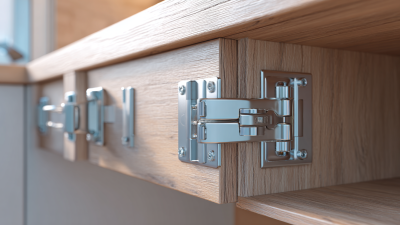
For instance, concealed hinges are popular for maintaining clean lines. These hinges hide away when the cabinet closes, offering a seamless look. They work well in many kitchen and bathroom designs.
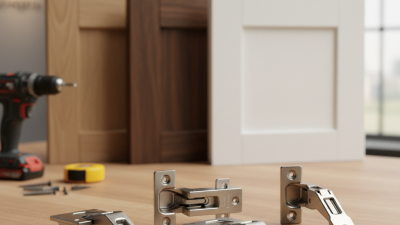
On the other hand, hinge types can vary in construction and mechanism. European hinges are robust and often feature a quick-install design, making them user-friendly. They can handle heavier cabinet doors.
Bi-fold hinges, however, allow two panels to meet at their edges, creating a sleek entrance. Each type serves a different function, and knowing these can help you make the best choice.
One area worth considering is installation complexity. Some hinges require precise alignment and tools, posing a challenge. It's essential to reflect on your skills before starting a project.
Additionally, noise level can vary. While some hinges operate quietly, others may still produce sound. Exploring these details can help ensure satisfaction with your final selection.
Factors to Consider When Selecting Soft Close Cabinet Hinges
When selecting soft close cabinet hinges, it's essential to evaluate their features carefully. One critical factor is the weight of the cabinet doors. Heavy doors require hinges that provide adequate support. According to a report by the Kitchen Cabinet Manufacturers Association, over 40% of kitchen remodels use heavier materials, pushing the need for stronger hinges. Soft close hinges often need more robust designs to ensure smooth and silent closures.
Additionally, the type of cabinet installation should influence your choice. Frameless cabinets may require specific hinge types for proper alignment. Industry data shows that frameless installations are becoming increasingly popular, making up about 30% of new kitchen designs. If you choose the wrong hinge, it might lead to misalignment or improper function.
Consider the material and finish of the hinges as well. They should match your cabinets for aesthetic integrity. Sometimes, even high-quality hinges fail due to environmental factors. Humidity or temperature changes can affect the performance of soft close mechanisms. This highlights the importance of selecting hinges that offer durability and weather resistance, ensuring they function smoothly, even in variable conditions.
Installation and Maintenance Tips for Soft Close Cabinet Hinges
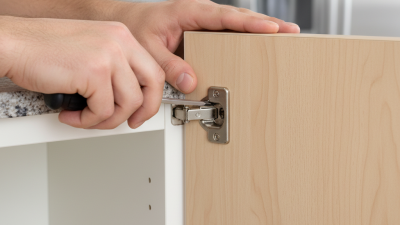
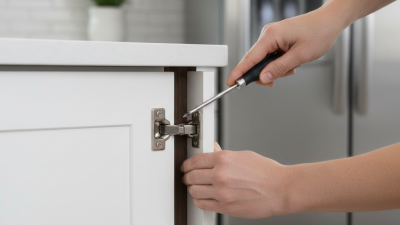
When installing soft close cabinet hinges, proper alignment is crucial. Misalignment can lead to poor performance and annoying noises. Measure your cabinet doors carefully. Ensure that the hinges are evenly spaced from the top and bottom edges. This ensures that the doors will close smoothly and quietly. Take your time during this step; precision is key.
Maintenance is often overlooked yet vital for longevity. Check the hinges regularly for any signs of wear. Lubricate them occasionally to prevent squeaking. Dust and grime can accumulate in the mechanism, impacting performance. Use a soft cloth to wipe the hinges and keep them clean. A simple cleaning routine can enhance their lifespan significantly. Don’t ignore any unusual noises; they can indicate a problem that needs addressing.
Evaluating Cost vs. Quality in Soft Close Cabinet Hinges Selection
When selecting soft close cabinet hinges, balancing cost and quality is essential. Many hinges offer a smooth closing mechanism, but the differences in materials and construction can affect performance. Investing in higher quality hinges ensures better durability. Lower-cost options may wear out quickly and require replacement. If budget constraints are a concern, it's wise to prioritize key functionalities over brand names.
Consider what you need from your hinges. Do you want silent closure or a specific weight capacity? It's common to find hinges that claim to be soft close, but not all perform equally. Take time to research. User reviews provide insights into reliability. However, remember that experiences may vary. A product with many positive reviews may still not meet everyone's needs.
Test the hinges if possible. Feel the closure action and listen for noise. Quality hinges often have a more solid feel. This tactile experience can indicate better craftsmanship. Still, be cautious. Sometimes, a high price does not guarantee superior performance. It's beneficial to weigh personal preferences heavily in the decision-making process. Each home and kitchen is unique, as is the usage of cabinets.
Soft Close Cabinet Hinges: Cost vs. Quality Analysis