A cabinet door should close quietly, align evenly, and stay dependable after years of daily use. That simple expectation makes hinge selection more technical than it first appears. For global buyers, a 3d Hinge Soft Closing model can offer three-way adjustment and controlled closing, but performance depends on more than the product name. Cup size, door thickness, overlay, opening angle, and mounting-plate height all affect fit. Small mismatches can leave a door rubbing against its neighbor.
This guide introduces ten options for different cabinet projects and purchasing needs. It considers adjustment range, closing action, material details, installation requirements, and the technical information suppliers provide. Useful checks include the stated load capacity, cycle-test data, screw positions, and compatibility with the intended door. Ask for drawings or samples when catalog images do not show enough. A smooth finish matters, too. So does a cam that remains easy to adjust after installation.
Specifications are helpful, not perfect. A published test may not reflect a humid kitchen, a heavy door, or uneven fitting. That limitation deserves attention. Buyers should compare verified product documents and, where possible, test samples in the actual cabinet design. Price alone rarely explains long-term value. A less expensive hinge may suit a light door, while a demanding application needs stronger evidence and support. The list is a practical starting point, not a substitute for checking fit.
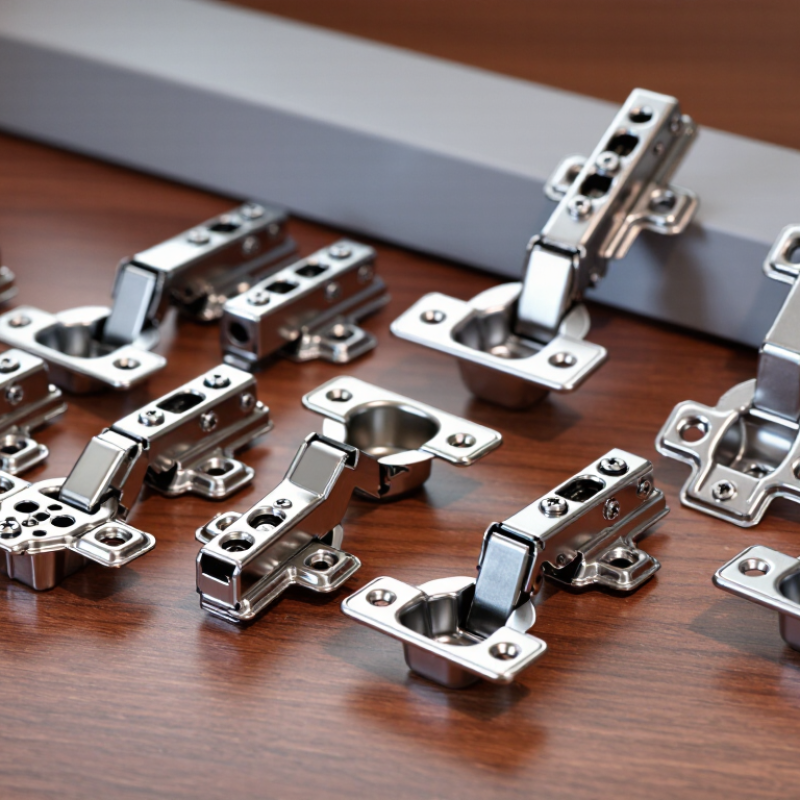
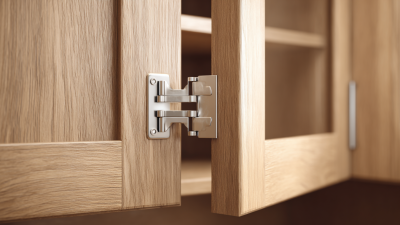
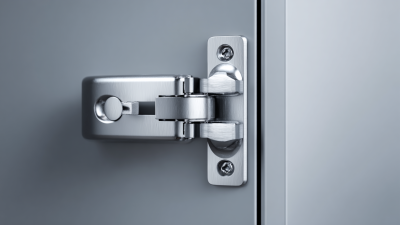
A 3D soft closing hinge is a cabinet hinge that lets an installer adjust a door in three directions: sideways, up or down, and inward or outward. These settings help line up door edges and set an even gap around the cabinet. “3D” refers to the adjustment range, not the hinge’s shape. Some models use separate screws for each direction, so checking the fitting instructions matters.
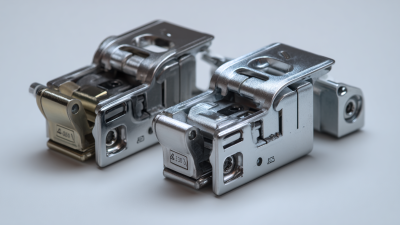
The soft-close action comes from a small damper built into the hinge or attached nearby. As the door approaches the cabinet frame, the damper resists its movement and slows the final part of the swing. The door should settle quietly, rather than bounce or bang. It is not magic. A heavy door, a misaligned hinge, or a worn damper can still produce noise.
During installation, adjust one direction at a time and open and close the door after each change. Watch the top and bottom gaps; a few millimetres can make a visible difference. In practice, the first adjustment rarely feels perfect. That is normal, though repeated tightening without checking can make alignment worse. Confirm that the hinge suits the door’s size and weight, and test several doors before fitting a full run of cabinets.
What 3D Soft-Closing Hinges Are and How They Work
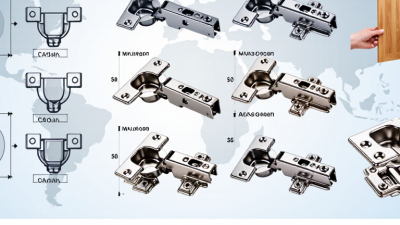
3D soft-closing hinges allow door adjustment in three directions: height, side-to-side position, and depth. An integrated damper slows the door as it closes, helping it shut more gently. The chart shows common nominal opening-angle options; actual availability and opening angles vary by hinge model and installation.
Three-way soft-closing hinges improve cabinet use through two practical features. Side, height, and depth adjustments help align doors after installation. A few careful turns can correct uneven gaps, reduce rubbing, and keep paired doors balanced. This matters on older cabinets, where walls and cabinet boxes are rarely perfectly square. Soft-close dampers slow the door’s final movement, reducing slams and sudden jolts to dishes. The door settles quietly. It feels considered.
The benefit depends on correct setup. A loose mounting plate, mismatched hinge overlay, or heavy door can undermine the damper. Adjust one axis at a time, then test the door through several full cycles. AARP’s 2024 Home and Community Preferences Survey found that 75% of adults aged 50 and older want to remain in their homes. Easier, quieter storage supports that goal, though a hinge alone cannot make a kitchen accessible. Global buyers should compare adjustment range, door-weight capacity, opening angle, and replacement-part availability. Soft closing is useful, not magic. A door may still drift if the cabinet is out of square.
For global buyers, compare 3D soft closing hinges by measurable fit and performance, not appearance alone. Fortune Business Insights estimated the global furniture market at USD 541.52 billion in 2023, reflecting a broad and varied market for furniture hardware. That scale makes clear specifications useful. Still, market growth does not prove a hinge will suit a particular cabinet.
Check the cup diameter and depth, screw pattern, opening angle, and door overlay. A 35 mm cup is common, but it is not universal. Confirm that the hinge’s three adjustments cover side, height, and depth, and ask for the adjustment range in millimetres. Match the stated load to the door’s actual size and weight, including the number of hinges used. Small mismatches matter: a door can look aligned when open, then rub the cabinet edge when closed.
Soft-close performance also needs evidence. Request cycle-test results, the tested door mass, and the conditions used; compare documents against recognized cabinet-hardware test methods, such as ANSI/BHMA A156.9, where applicable. Ask whether damping remains consistent across the supplier’s stated temperature range. A smooth sample is not enough. One detail is often missing: real cabinets vary, and installers may need to readjust hinges after fitting. Check replacement availability and installation instructions before ordering at scale.
For global buyers, a useful top 10 comparison of 3D soft closing hinges should cover more than price. Check overlay style, door thickness, cup size, opening angle, and adjustment range. These details affect whether a hinge fits the cabinet and allows precise door alignment. Also compare load ratings and test methods; figures are only meaningful when the door size and test conditions are clear.
Soft closing should feel controlled, not sluggish. Ask how the closing force can be adjusted, especially for lightweight doors. Look for clear installation dimensions, compatible mounting plates, and finishes suited to the cabinet’s environment. Salt air and frequent cleaning can expose weak coatings. Small details matter. Request samples and check the fit on an actual door before placing a large order. I would not treat any ranking as universal; that is an easy mistake. Local cabinet construction, shipping conditions, and installer preferences can change what counts as a top choice. Confirm product data with the supplier, and keep the specification sheet for future replacement orders.
Selecting a 3D soft closing hinge starts with cabinet geometry, not catalog photos. Match the hinge to door overlay, thickness, and opening angle. Check the mounting plate range and adjustment in three directions, especially when cabinet sides are not perfectly aligned. A heavy solid-wood door may need different support from a light panel. This is easy to overlook. Test a sample door to confirm smooth movement and quiet closing.
Tips: Measure the actual cabinet door, not just the drawing. Check clearance near handles, drawers, and adjacent doors. Test several closing cycles with the intended door weight. Small details matter.
Market needs can vary with cabinet style, installation habits, and shipping conditions. Frameless kitchen cabinets may require different hinge geometry from face-frame furniture. In humid regions, confirm that the finish and materials suit the expected environment. Ask suppliers for dimensional drawings and sample testing details, then compare them with your own cabinet specifications. No single setup suits every cabinet. A first sample may still need adjustment, so allow time for fitting before confirming a large order.
| No. | Hinge Configuration | Best-Suited Cabinet and Door | Typical Design Range | 3D Adjustment and Closing | Selection Guidance for Global Buyers |
|---|---|---|---|---|---|
| 1 | Full-overlay concealed hinge | Frameless cabinets where the door covers most of the cabinet side panel. | Commonly a 35 mm cup; many standard versions open to approximately 100°–110°. Door thickness and overlay depend on the hinge and mounting plate. | Look for lateral, height, and depth adjustment. An integrated damper provides soft closing. | A versatile starting point for kitchen and bathroom cabinetry. Confirm the required overlay, cup drilling position, and mounting-plate height against the specific cabinet layout. |
| 2 | Half-overlay concealed hinge | Paired doors sharing a central partition in a frameless cabinet. | Usually available with a 35 mm cup and a standard opening angle around 100°–110°; the required overlay is determined by door width and panel thickness. | Three-way adjustment helps align the door pair and maintain a consistent center gap; soft-close damping is commonly integrated or offered as a compatible option. | Check the combined door overlays and center clearance before ordering. The same hinge name can produce different overlays with different mounting plates. |
| 3 | Inset concealed hinge | Frameless cabinets with doors fitted inside the cabinet opening. | Typically uses a 35 mm cup; the required crank and plate combination varies by cabinet geometry. Opening angles are product-specific. | Three-way adjustment supports alignment within the opening; verify that the damper is suitable for the door size and weight. | Allow for the reveal around all sides of the door. Check the cabinet’s internal clearance and hinge-arm geometry to avoid collision with shelves or adjacent doors. |
| 4 | Face-frame concealed hinge | Cabinets with a front frame attached to the cabinet box. | Commonly paired with a 35 mm cup; mounting plates or frame-specific fittings vary with frame width and setback. | Choose a model and plate combination that provides lateral, height, and depth positioning; confirm the soft-close function is compatible with the selected frame fitting. | Measure the face-frame width, thickness, and door overlay. Frameless hinge assumptions do not automatically apply to face-frame construction. |
| 5 | Wide-angle concealed hinge | Cabinets needing greater door access, such as pantry units or cabinets near an adjacent wall. | Some designs open to approximately 155°–170°; the opening angle depends on the hinge geometry, cabinet, and door position. | Three-way adjustment is useful for setting reveals; check the soft-close mechanism and opening clearance for the chosen wide-angle model. | Confirm that the door clears nearby walls, handles, and adjacent doors. A wide nominal angle does not guarantee the same usable access in every installation. |
| 6 | Compact-cup soft-close hinge | Smaller or lighter cabinet doors where a full-size cup is unsuitable. | Some compact hinges use a 26 mm cup; opening angle and supported door dimensions are generally more limited than standard 35 mm-cup hinges. | Adjustment may be more limited than on a full-size hinge. Check whether all three adjustment directions are available before specifying. | Use only within the maker’s stated door-size and weight limits. Confirm the existing bore diameter and drilling pattern for replacement or retrofit work. |
| 7 | Thick-door concealed hinge | Cabinet doors thicker than the common furniture-door range or doors with substantial edge profiles. | Often uses a 35 mm cup, but the supported thickness range and cup position are model-specific; some designs accommodate doors around 22–30 mm. | Three-way adjustment helps set the reveal, while the damping capacity must match the door’s mass and closing motion. | Check the technical drawing for minimum edge distance, cup depth, and maximum door thickness. Do not assume a standard hinge will clear a thick or profiled door. |
| 8 | Soft-close hinge for narrow-frame aluminum doors | Cabinets with aluminum-framed glass or panel doors. | Uses a frame-specific attachment rather than a conventional wood-door cup in many designs. Frame profile compatibility varies by hinge system. | Some models provide three-way adjustment and integrated damping; confirm the attachment method and allowable frame dimensions. | Request the hinge drawing and check the aluminum profile dimensions, glass or infill thickness, and required drilling. Do not select solely by the door’s outside dimensions. |
| 9 | Corner-cabinet or blind-corner hinge | Doors used on blind-corner cabinets or cabinet layouts where adjacent fronts must clear each other. | Opening geometry and overlay depend on the cabinet arrangement; dedicated corner hinge designs may differ substantially from standard hinges. | Adjustment can help set door alignment and clearances; verify that the damping system works with the door’s full travel. | Provide a cabinet layout or door-opening sketch when sourcing. Check adjacent-door, handle, and wall clearance through the complete opening path. |
| 10 | High-cycle concealed hinge for frequent-use cabinetry | Residential kitchens, hospitality, and other cabinets expected to be opened frequently. | Often based on a standard 35 mm cup, with opening angle, door limits, and test results specific to the product. | Prioritize stable three-way adjustment and a soft-close mechanism specified for the intended door size and weight. | Request documented cycle-test information and applicable test methods. Compare results only when the testing conditions are equivalent, and verify local project requirements. |
| Important: Dimensions and opening angles shown are typical examples, not universal specifications. Actual overlay, door-thickness limits, cup drilling, adjustment range, load capacity, and soft-close performance vary by hinge design and mounting plate. Confirm the manufacturer’s technical drawing and test documentation before production or installation. | |||||