Selecting the best Under Mounted Drawer Slide for a cabinet is a small decision with a daily impact. It affects how quietly a drawer closes, how much weight it carries, and whether its contents remain easy to reach. A smooth slide feels effortless. A poorly matched one can scrape, sag, or resist after months of use.
The market context is substantial. Grand View Research valued the global furniture market at approximately US$677 billion in 2024 and projected continued growth through 2030. That broad figure does not measure drawer-slide sales, but it signals a large, evolving market for furniture components. For cabinet buyers, the more useful checks are specific: load rating, extension type, soft-close performance, adjustment range, and compatibility with drawer dimensions. NKBA’s kitchen-industry trend reporting also points to continued attention to functional storage, where dependable hardware matters as much as visible finishes.
Installation deserves equal scrutiny. Even a premium slide may perform poorly if its paired components are misaligned or the drawer box is out of square. A few millimeters can change the feel.
No source material or verifiable named expert quotation was provided, so I cannot responsibly attribute a quote to an industry expert. Any recommendation should be checked against the manufacturer’s current specifications and tested with the intended cabinet design.
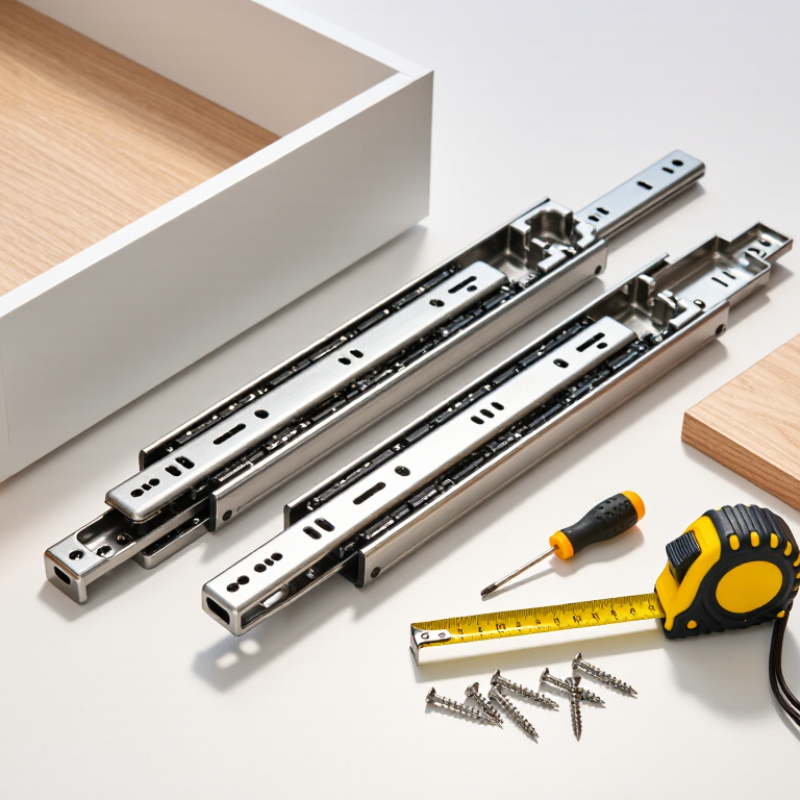
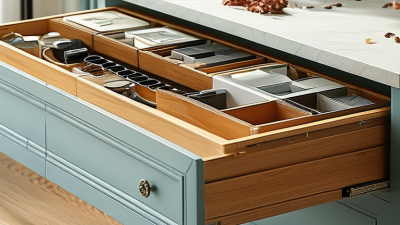
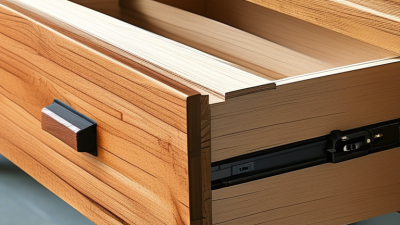
Undermount drawer slides are fitted beneath a drawer, so the hardware is mostly hidden when the drawer is closed. Unlike side-mounted slides, they leave the drawer’s outer sides visible and create a clean, uncluttered look. The drawer usually connects to the slides with locking clips near its front corners, while supports at the back help keep it aligned. As you pull, nested metal rails extend and guide the drawer. Some systems also include soft-close mechanisms that slow the drawer during the final few inches.
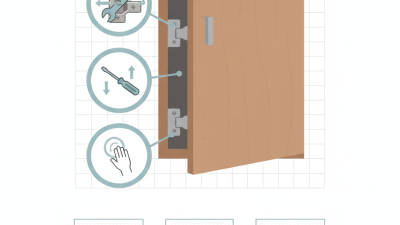
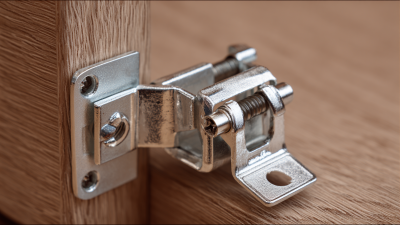
Small details matter. The slide length, drawer-box width, and cabinet opening must match the chosen system’s specifications. A gap that seems tiny can cause rubbing, uneven movement, or a drawer that will not latch properly. Check measurements carefully, and use the installation instructions for the specific hardware. In a well-fitted cabinet, the drawer should travel smoothly without scraping the frame. A common mistake is measuring only the cabinet opening; the drawer itself needs the right clearance too. Adjusting the clips may take more than one try, and that can feel less straightforward than expected.
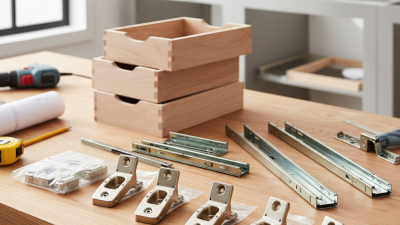
Undermount slides work well in frameless cabinets when the drawer box has the required side clearance and a strong bottom. The hardware stays hidden, leaving clean cabinet sides and a smooth, full-extension pull. Measure the opening and drawer carefully; even a small mismatch can cause rubbing. Check the slide maker’s installation dimensions before building the box.
Face-frame cabinets usually need rear mounting brackets or sockets because the frame changes where the slide can attach. Inset cabinets need especially careful measurements, since the drawer front sits inside the opening. For wide drawers holding pots or dishes, choose slides rated for the expected load and build a rigid box. Shallow drawers may not leave enough room underneath. A side-mounted option can be more practical there.
Bathrooms bring another consideration: moisture. Use suitable materials and keep the cabinet dry where possible. Soft-close slides are useful in kitchens and bedrooms, but they still need accurate alignment. I have seen a drawer feel rough even with good hardware; a slightly twisted box was the real problem. Check that the cabinet is square before adjusting the slides.
| Undermount Slide Type | How It Works | Cabinets It Suits | Key Planning Points | Common Applications |
|---|---|---|---|---|
| Full-extension | Opens to expose nearly the full usable depth of the drawer. | Kitchen, bathroom, bedroom, and utility cabinets where access to the back of the drawer matters. | Match slide length to the drawer and cabinet depth. Check the specified side clearance, drawer construction, and load rating for the selected model. | Everyday drawers, deep storage, and frequently used cabinet drawers. |
| Partial-extension | Opens less than the drawer’s full depth; the exact travel depends on the slide design. | Cabinets where full access is not essential or where a shorter-travel slide fits the design requirements. | Confirm the actual extension and closed length in the product specifications; partial-extension availability varies by slide range. | General-purpose storage and drawers with less frequent access to items at the back. |
| Soft-close | A damping mechanism slows the drawer near the end of closing and pulls it shut gently. | Most residential cabinet styles when reduced closing noise and impact are priorities. | Soft-close is a closing feature, not an extension type; it may be paired with full-extension or other slide configurations. Follow the model’s installation and adjustment instructions. | Kitchen and bathroom drawers, particularly in quiet or shared living spaces. |
| Push-to-open | Releases and opens the drawer when the front is pressed, allowing handle-free cabinetry. | Frameless or face-frame cabinets designed with handle-free drawer fronts, provided the chosen slide supports the installation. | Check required front gaps, cabinet alignment, and compatibility with the drawer and cabinet construction. Push-to-open operation may not be combined with every soft-close mechanism. | Modern kitchens, minimalist vanities, and handle-free built-in furniture. |
| Heavy-duty, load-rated | An undermount slide engineered and tested for a higher specified load than standard models. | Wide or heavily loaded drawers in kitchens, workshops, and storage cabinets, when the cabinet structure is also suitable. | There is no single standard capacity for all undermount slides. Compare the stated rating and test conditions, and account for drawer width, installation, and cabinet strength. | Pots-and-pans drawers, tool storage, and other applications with heavier contents. |
| Face-frame-compatible configuration | Uses the mounting method or accessories specified for cabinets with a front frame. | Face-frame cabinets, where the frame can affect how the slide is supported and aligned. | Check whether rear brackets, adapters, or other mounting hardware are required. Do not assume a frameless installation method will work unchanged. | Traditional framed kitchen and bathroom cabinetry. |
| Frameless-compatible configuration | Mounts within a cabinet without a front face frame, using the slide’s specified cabinet-side and rear support points. | Frameless cabinets with suitable interior dimensions and mounting surfaces. | Verify cabinet opening width, slide clearance, mounting position, and rear support requirements against the installation instructions. | European-style kitchens, contemporary vanities, and modular cabinetry. |
Selection note: Extension, soft-close operation, push-to-open operation, load rating, and cabinet mounting compatibility are separate design considerations and may be combined only when the specific slide system supports them. Always verify drawer dimensions, required clearances, load capacity, and installation details in the product specifications.
When comparing Chinese undermount drawer slides, start with the cabinet and drawer, not the catalog photo. Measure drawer length, opening width, and available clearance beneath the drawer. Check the required side and bottom gaps against the supplier’s installation drawing. A small mismatch can cause rubbing or uneven movement. Confirm the load rating applies to the complete pair and your intended drawer size. Also compare full-extension travel, soft-close behavior, and the slide’s specified cycle-test results. These figures are more useful than a broad claim of “heavy duty.”
Tips: Request a sample pair and fit it to a real drawer. Check whether the locking clips adjust easily, and whether the instructions show screw positions clearly. Test it under a realistic load.
Finish and material matter, too. Ask what coating protects the steel, especially if the cabinets may face humidity or frequent cleaning. Compare slide length with the drawer depth; longer is not automatically better. I find finish descriptions less convincing than a physical sample, and that is a limitation in many supplier comparisons. Listen for scraping, feel for side-to-side play, and check that both slides close evenly. Test before ordering. A dependable choice is the one whose dimensions, load data, and fitting method match your cabinet—not simply the lowest quoted price.
Assessing Chinese manufacturers begins with the factory, not a polished catalogue. Ask whether the supplier makes the slides in-house or relies on subcontractors. Request a recent production video, quality-control records, and clear details about steel thickness, finish, and load rating. Specific answers matter.
Then test samples in a cabinet built to the stated dimensions. Check whether the runners stay aligned, close smoothly, and resist lateral movement when the drawer carries a realistic load. Run repeated open-and-close cycles, and inspect the coating near screws and moving parts for scratches or early rust. Small details show.
Compare test results with the manufacturer’s written specifications, and ask how failed batches are handled. Reliable suppliers should explain tolerances, inspection frequency, packaging, and how production lots can be traced. Confirm that sample dimensions match the final quotation; even a few millimetres can complicate installation. I have found that communication during sampling often reveals more than a sales presentation, though one good sample cannot prove consistent production. Ask for inspection evidence from more than one batch before placing a large order.
Suggested evaluation weights for comparing suppliers. These are a practical scoring framework, not market-survey results or product test data.
Prioritize documented load and cycle-life testing, then confirm dimensional compatibility, corrosion-test evidence, and traceable quality-control records. Verify each claim against the intended cabinet design and your own acceptance requirements.
Choosing undermount slides starts with the drawer, not the hardware catalog. Measure the cabinet depth, drawer width, and available side and bottom clearance. Then check the slide’s required length and load rating against the finished drawer, including dishes or tools it will carry. A deep drawer packed with cookware needs different support from a shallow cutlery tray. Fit matters.
Houzz’s 2024 U.S. Kitchen Trends Study reports that 76% of renovating homeowners upgraded their cabinets. That makes slide selection a practical part of many cabinet projects, not a minor finishing detail. Compare full-extension access, soft-close action, and rated capacity, then confirm installation dimensions in the technical sheet. A smooth empty drawer can still bind when loaded. Test it.
For undermount slides, the drawer box must meet the specified bottom and rear-notch dimensions. Small measurement errors can cause rubbing, uneven gaps, or a drawer that will not latch cleanly. Check whether the model allows adjustment after installation, especially if the cabinet opening is slightly out of square. This step is easy to rush, and I would not assume that “standard size” means a universal fit. Install one drawer first, load it realistically, and open it repeatedly before fitting the rest.