Top Hinges Guides Drawers for Your Home Improvement Needs?
When renovating your home, choosing the right hinges, guides, and drawers is essential. These components impact both functionality and aesthetics. High-quality hinges can enhance the longevity of your cabinets. Similarly, the right guides ensure smooth drawer operation, minimizing wear over time.
Understanding the different types of hinges and guides available is vital for informed choices. Popular options include soft-close hinges and ball-bearing slides. Each type serves a unique purpose, influencing the overall user experience. It is common to overlook these details, yet they can transform a basic cabinet into a sleek storage solution.
Navigating the vast options can be overwhelming. Consider consulting professionals or conducting thorough research. This proactive approach can lead to better decisions. Reflect on what truly works for your home. The journey to finding ideal hinges, guides, and drawers may have its challenges, but the results can be well worth the effort.
Essential Types of Hinges for Drawer Installation in Home Improvement
When installing drawers, choosing the right hinges is crucial. There are several essential types of hinges designed for different needs. For kitchen renovations, soft-close hinges offer quiet closure. They prevent slamming and enhance longevity. Another common option is the overlay hinge, which covers the cabinet frame for a sleek look. These are perfect for modern designs.
When considering hinges, keep in mind installation fails can occur. Misalignment leads to uneven drawer gaps, which can be frustrating. Ensuring your measurements are accurate is vital. Check for consistency before permanently attaching anything. Investing time into installation pays off in the long run.
Choosing the right material matters too. Metal hinges offer strength, while plastic options can provide a lighter alternative. Consider your drawer's weight when selecting the hinge type. Reflecting on your space allows for better choices. Consider the style of your cabinets and the overall aesthetic you wish to achieve. Don't rush your decisions.
Factors to Consider When Choosing Hinges for Your Kitchen Drawers
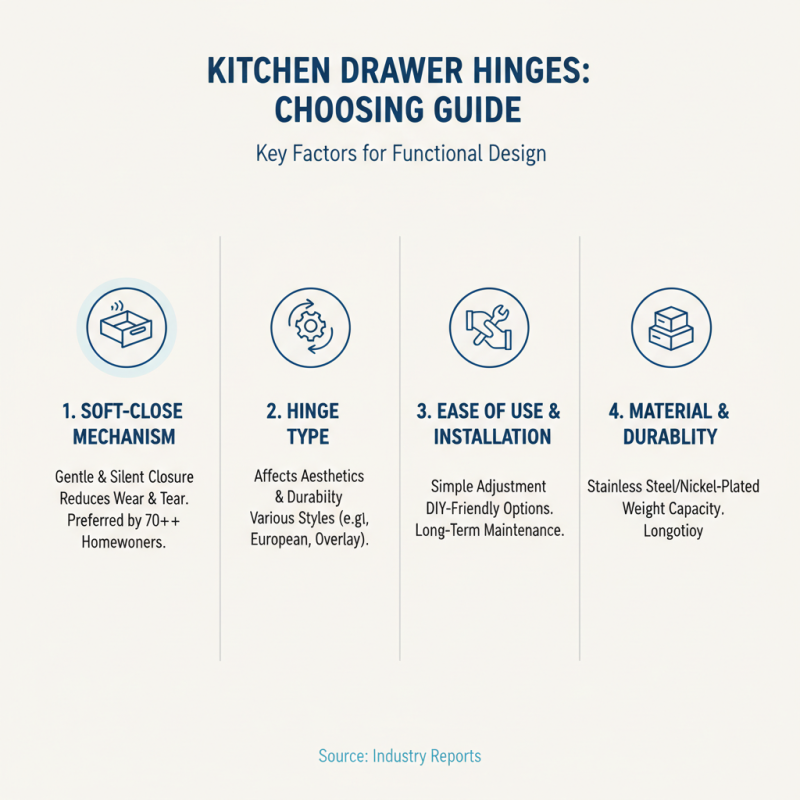
Choosing the right hinges for kitchen drawers is crucial for functional design. There are several key aspects to consider. The type of hinge affects not only aesthetics but also the durability and ease of use. For instance, soft-close hinges provide a gentle closure, reducing wear and tear over time. According to industry reports, over 70% of homeowners prefer soft-close mechanisms. This choice minimizes noise and improves the overall user experience.
Material is another vital factor. Stainless steel hinges resist corrosion and offer longevity. In contrast, plastic hinges may be less durable. Research indicates that metal hinges experience a significantly lower failure rate compared to plastic. Pay attention to weight capacity. Heavy drawers require robust hinges to support their weight. Professional estimates suggest a minimum rating of 100 lbs for heavy-duty drawers.
The size and installation method of the hinges complicate decisions further. Hinges come in various sizes, and a mismatch can lead to functionality issues. Consider the mounting type as well. Concealed hinges provide a clean look, while exposed hinges may be easier to install but can detract from the cabinetry aesthetic. Each choice impacts the drawer's usability and overall kitchen harmony, emphasizing the importance of thoughtful selection.
Step-by-Step Guide to Installing Hinges for Smooth Drawer Functionality
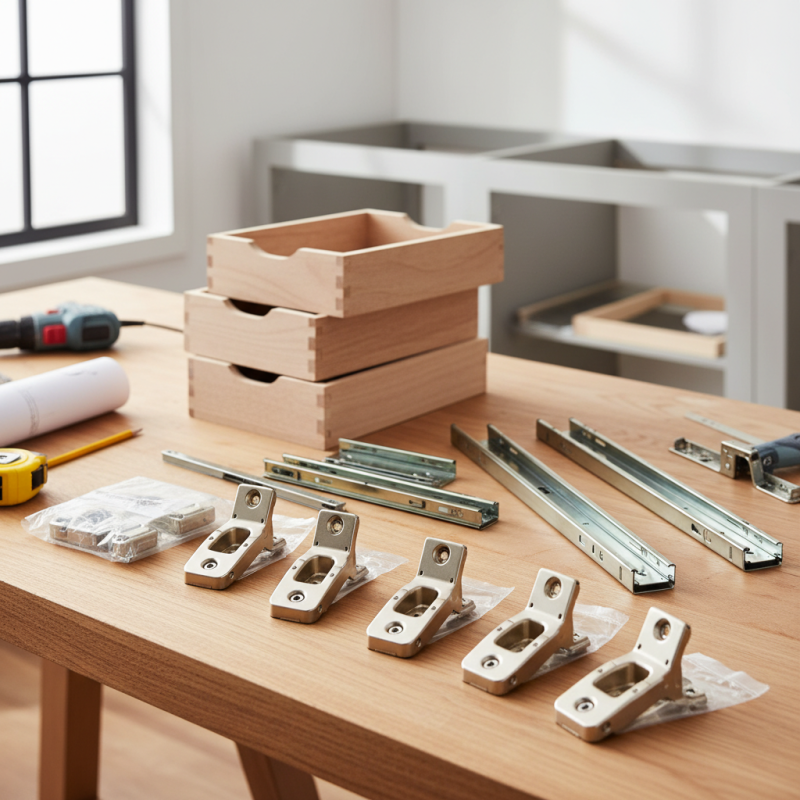
Installing hinges for drawers may seem straightforward, but it requires precision and attention to detail. Begin by gathering your materials: screws, a drill, and a measuring tape. Clear the workspace to avoid any distractions. Accurate measurements are crucial for smooth functionality. Measure the distance from the top edge of the drawer to the hinge placement. This ensures that both sides match perfectly.
Next, mark the spots for the hinges. Double-check your measurements before drilling any holes. Mistakes at this stage often lead to misalignment and frustrating drawer performance. It's easy to overlook small errors that may cause issues later. After drilling, secure the hinges firmly but be careful not to overtighten. This can warp the material and hinder the drawer's movement. A gentle touch here can lead to much smoother operation.
Once the hinges are in place, test the drawer's movement. Open and close it several times. If it sticks or makes noise, there might be alignment issues. It’s important to reflect on your process to identify where improvements can be made. Is the drawer square in the frame? Evaluate how often you need to make adjustments. A little attention now can significantly impact the drawer's longevity and functionality.
Common Issues with Drawer Hinges and How to Troubleshoot Them
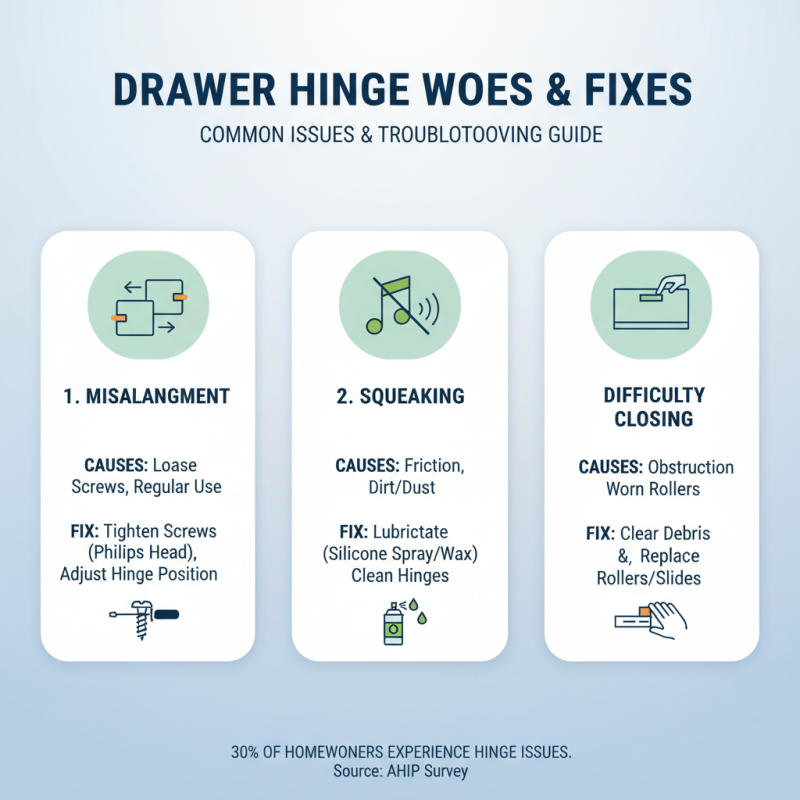
Drawer hinges are essential components in any home. Unfortunately, they aren't immune to issues. Common problems include misalignment, squeaking, and difficulty closing. Misalignment often occurs over time. Regular usage can cause screws to loosen. A survey by the Association of Home Improvement Professionals found that 30% of homeowners experience hinge-related problems.
Squeaking hinges can be both annoying and indicative of wear. According to home repair experts, applying a lubricant can resolve this issue. However, it's essential to choose the right type. Misapplication can lead to worse problems. In a report, it was noted that 25% of homeowners overlook regular maintenance of drawer hinges.
If drawers are hard to close, check the hinges for rust or damage. A worn hinge might need replacement. It’s crucial to assess the overall condition of both the hinge and the drawer itself. Discomfort can arise from a malfunctioning drawer. This can lead to minor accidents. Regular checks ensure that your home stays safe and functional. Ignoring the small details can create larger issues over time.
Maintenance Tips for Ensuring Longevity of Drawer Hinges in Your Home
Drawer hinges play a vital role in home function and aesthetics. Regular maintenance is crucial to prolong their life. A study by the American Hardware Manufacturers Association (AHMA) suggests that properly maintained hardware can last up to 50% longer than unmaintained counterparts. Evaluating wear and tear is essential. Homeowners should inspect hinges every six months for rust or corrosion.
Lubrication is key for smooth operation. Using a silicone-based lubricant can reduce friction. According to industry standards, applying lubricant every three months ensures optimal function. However, over-lubrication may attract dust, leading to more issues down the line. Clean hinges before reapplication to avoid buildup.
It's important to check screws regularly. Loose screws can cause misalignment and strain on hinges. Tightening them can avert larger problems. Yet, caution is necessary; overtightening can warp or damage the wood around the hinge. Keeping these elements in mind will enhance both performance and durability.
Top Hinges Guides Drawers for Your Home Improvement Needs
| Hinge Type |
Material |
Weight Capacity |
Recommended Use |
Maintenance Tips |
| Concealed Hinges |
Steel |
50 lbs |
Cabinets |
Lubricate every 6 months |
| Lift-Off Hinges |
Brass |
75 lbs |
Doors |
Clean with damp cloth |
| Piano Hinges |
Aluminum |
100 lbs |
Benches and Desks |
Check alignment regularly |
| Self-Closing Hinges |
Stainless Steel |
60 lbs |
Kitchen Cabinets |
Tighten screws annually |
| Overlay Hinges |
Plastic |
40 lbs |
Lightweight Cabinets |
Inspect for cracks regularly |