Who Is the Best Adjustable Hinge Manufacturer in China?
Choosing the best Adjustable Hinge manufacturer in China requires more than comparing prices. The real test begins with engineering details, factory discipline, and long-term consistency. A hinge may look flawless on a showroom sample. Its performance can change after thousands of opening cycles.
W. Edwards Deming, a renowned manufacturing-quality expert, offered a principle that applies directly here: “Quality comes not from inspection, but from the improvement of the production process.” This idea matters when evaluating an Adjustable Hinge supplier. Reliable manufacturers control material thickness, CNC tolerances, welding quality, and surface treatment throughout production. They do not depend only on final inspection.
Look closely at the factory’s process. Ask whether hinges use stainless steel, zinc alloy, or reinforced steel for your application. Request load-test records, cycle-test results, salt-spray data, and dimensional reports. A serious supplier should also provide clear drawings and repeatable samples. Check the adjustment range with a real door panel, not only a product photograph.
Small details reveal experience.
For example, a hinge may adjust smoothly on a workbench. It might become stiff after installation because the mounting plate flexes. That possibility is easy to overlook. I would also inspect packaging, batch labels, and replacement-part support. These details affect project reliability.
No manufacturer is perfect. Some factories communicate well but document poorly. Others offer excellent machining but limited customization. Therefore, the best Adjustable Hinge manufacturer in China is the supplier that combines tested performance, transparent communication, stable production, and practical after-sales support. The final decision should come from evidence, not impressive claims.
What Is an Adjustable Hinge and Where Is It Used?
Who Is the Best Adjustable Hinge Manufacturer in China?
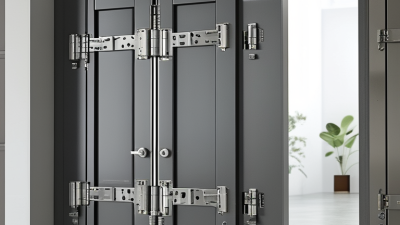
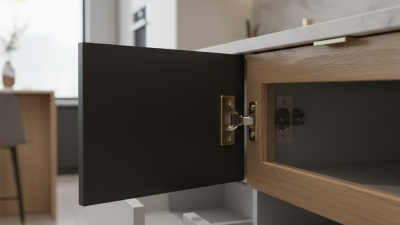
An adjustable hinge connects a door or cabinet panel while allowing alignment after installation. Most models provide side, height, and depth adjustment. This three-way movement corrects uneven gaps, common in cabinets, wardrobes, access panels, and lightweight doors. Small details matter. A practical hinge should move smoothly, hold its position, and tolerate repeated opening.
The 2024 Houzz U.S. Kitchen Trends Study reported that 76% of renovating homeowners added specialty storage. That demand increases pressure on cabinet hardware to deliver reliable access in tight spaces. Adjustable hinges help installers align doors around drawers, shelves, and thick face frames. They also support replacement work, where existing walls or cabinets are rarely perfect. In my experience, a few millimeters can decide whether a door closes quietly or scrapes the frame.
For buyers comparing a Chinese manufacturer, technical evidence matters more than attractive catalogs. Check load testing, cycle-test results, corrosion resistance, screw-hole accuracy, and adjustment range. ISO 9001 certification can indicate controlled production, but it does not prove hinge performance by itself. Ask for inspection records and samples from regular production. Fit is everything. A manufacturer may claim 100,000 cycles, yet installation conditions can reduce service life. The European standard EN 15570 also shows why hinge strength and durability deserve measured evaluation. I would test the hinge on the intended panel, with real screws and realistic weight. A perfect hinge is not a useful promise. A repeatable result is better.
Which Factors Determine the Best Chinese Hinge Manufacturer?
The best adjustable hinge manufacturer in China is not chosen by price alone. Buyers should examine engineering depth, material control, testing, and after-sales reliability. The ISO Survey 2023 recorded more than 1.2 million ISO 9001 certificates worldwide. However, certification does not automatically prove consistent hinge performance. Ask for recent audit records, inspection plans, and traceable batch numbers.
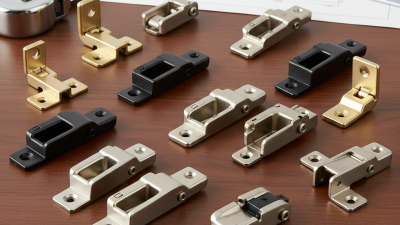
Material selection matters. Stainless steel, zinc alloy, and reinforced steel behave differently under load and humidity. A capable factory should provide torque data, cycle-test results, salt-spray performance, and dimensional tolerances. For example, a hinge used on a heavy cabinet may need repeated adjustment without thread damage. Request samples from normal production, not only polished showroom pieces. That small detail matters.
Supply-chain discipline also separates strong manufacturers from average ones. The World Bank’s Logistics Performance Index 2023 shows that delivery reliability remains a major global trade concern. Review lead-time records, packaging tests, spare-part availability, and communication during design changes. Engineering support should include drawings, installation guidance, and practical tolerance advice. A factory that questions an unrealistic load requirement may be more trustworthy than one that accepts everything. No factory is perfect. I would still verify claims through an independent inspection and a small pilot order before approving mass production.
Who Is the Best Adjustable Hinge Manufacturer in China?
The best manufacturer should be evaluated through measurable procurement factors rather than price alone. This practical weighting model prioritizes product consistency, durability testing, engineering capability, delivery performance, and compliance documentation.
A manufacturer with strong quality-control records, repeatable load and cycle testing, corrosion-resistance evidence, reliable customization support, stable lead times, and complete technical documentation is generally better positioned for long-term adjustable hinge supply.
How Do Chinese Adjustable Hinge Manufacturers Compare?
Chinese adjustable hinge manufacturers vary widely in engineering depth, quality control, and service reliability. A lower quotation does not always mean lower performance, but it requires closer checking. Experienced buyers usually compare steel grade, plating thickness, load capacity, adjustment range, and cycle-test results. They also inspect whether hinge movement remains smooth after repeated opening and closing.
Strong manufacturers provide measured drawings, sample approvals, and traceable inspection records. Some can adjust hole spacing, spring tension, or mounting plates for specific doors and cabinets. Their engineers should explain tolerance limits clearly, not simply promise “perfect fitting.” Factory audits can reveal practical details, such as organized storage, calibrated gauges, and controlled assembly stations. These details matter when thousands of hinges must align across a project.
Communication creates another clear difference. Reliable suppliers answer technical questions directly and report production changes early. They should offer packaging tests and replacement procedures for damaged parts. However, even capable factories may have uneven quality between production batches. A successful sample is not enough. Buyers should request pre-shipment inspections and test random cartons. Keep records.
Some manufacturers specialize in high-volume standard hinges, while others handle smaller customized orders more carefully. Lead times, minimum order quantities, and after-sales response should be compared beside price. I have seen buyers overlook these points and later spend more on installation adjustments. The best choice depends on the application, inspection budget, and required consistency. There is no universal winner.
Which Manufacturers Offer the Strongest Quality and Customization?
Who Is the Best Adjustable Hinge Manufacturer in China?
The strongest manufacturer is not always the cheapest. Fortune Business Insights valued the global furniture market at USD 516.66 billion in 2023. It projects USD 780.43 billion by 2032, increasing pressure on hardware suppliers to deliver consistency at scale. A capable adjustable hinge manufacturer should provide material certificates, dimensional inspection records, and batch traceability. Ask for measured tolerances, not attractive catalog claims. For cabinet applications, request cycle-test results, load data, and corrosion testing under recognized standards. A hinge that feels smooth today may loosen after repeated adjustment.
Customization reveals deeper expertise. Grand View Research’s furniture hardware analysis highlights modular design, durability, and installation efficiency as important market requirements. Strong factories can modify mounting plates, screw patterns, opening angles, and damping resistance without weakening the hinge body. They should also explain tooling costs clearly and provide a physical prototype before mass production. Small details matter. A two-millimeter offset can damage cabinet alignment. I would not trust a supplier that refuses a production-line audit or hides its sampling method. Even experienced buyers can overvalue a low unit price. That is a mistake sometimes. Compare failure rates, replacement support, packaging protection, and lead-time records beside the quotation. Reliable manufacturers usually discuss problems openly, including imperfect first samples and corrective actions.
How Can Buyers Select the Right Adjustable Hinge Supplier?
Who Is the Best Adjustable Hinge Manufacturer in China?
Buyers should judge an adjustable hinge supplier by measurable performance, not attractive photographs.
In my sourcing experience, the first check is technical clarity. Request load ratings, adjustment ranges, material grades, surface treatment details, and installation drawings. A reliable factory should explain testing methods and provide traceable sample records. Ask how many adjustment cycles each hinge withstands. A polished sample can still hide weak threads or uneven machining.
The ISO Survey 2022 recorded more than 1.2 million ISO 9001 certificates worldwide. Certification does not guarantee perfect hinges, but it shows whether documented quality systems exist. Check incoming-material inspection, in-process measurements, final inspection, and corrective-action records. Request recent test reports, preferably linked to specific batch numbers. Also compare production capacity with your forecast. A supplier promising everything may understand little.
The World Bank’s Logistics Performance Index 2023 evaluates customs, infrastructure, logistics services, tracking, and delivery timeliness. These factors matter when importing adjustable hinges from China. Ask for realistic lead times, packaging specifications, export documents, and shipment tracking procedures. Confirm whether critical components are made internally or outsourced. Visit the factory if possible, or arrange an independent audit. I would not choose solely by the lowest quotation. That shortcut often creates hidden costs through rework, installation delays, and field complaints.
One detail deserves reflection: many buyers define quality before testing real installation conditions.
Door weight, vibration, humidity, and repeated adjustment can change the result. Request samples for your actual application, not a generic demonstration.