Best Cabinet Hinges for Global Buyers in 2026?
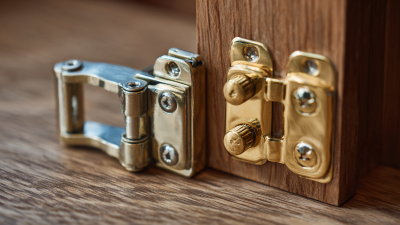
In the rapidly evolving world of furniture design, finding the best cabinet hinges is crucial for both functionality and aesthetics. Renowned industry expert, David Hart, once stated, “The right cabinet hinge can elevate not just the cabinet, but the entire room.” His insight highlights the importance of choosing quality hinges that complement cabinetry and improve user experience.
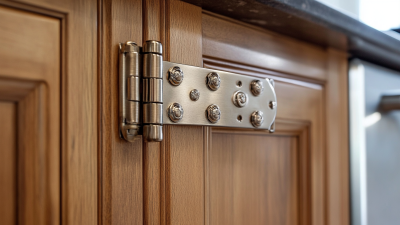
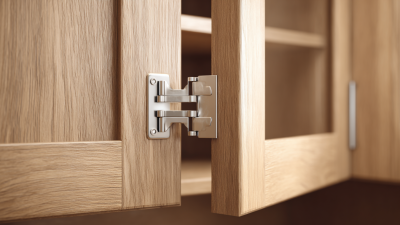
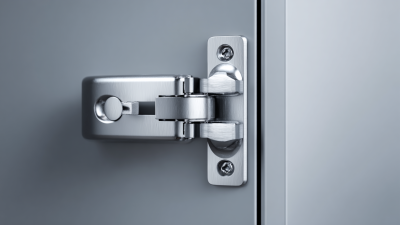
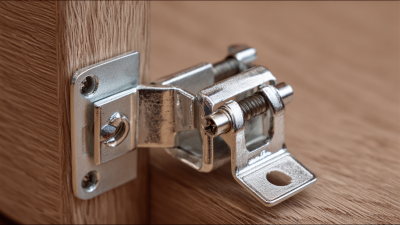
As we look ahead to 2026, global buyers must navigate a crowded marketplace filled with various options. Understanding different types of cabinet hinges is essential. Each type, from concealed to pivot hinges, offers unique features. Some hinges provide seamless integration, while others emphasize durability and strength. Buyers should consider their specific needs and the overall design of their space.
However, with so many choices, making the right decision can be challenging. Not all hinges are created equal, and selecting the wrong type can lead to frustration. It is important to research and compare options. The perfect cabinet hinge can enhance not just utility but also the beauty of your cabinetry.
Best Cabinet Hinges: Market Overview and Trends for 2026
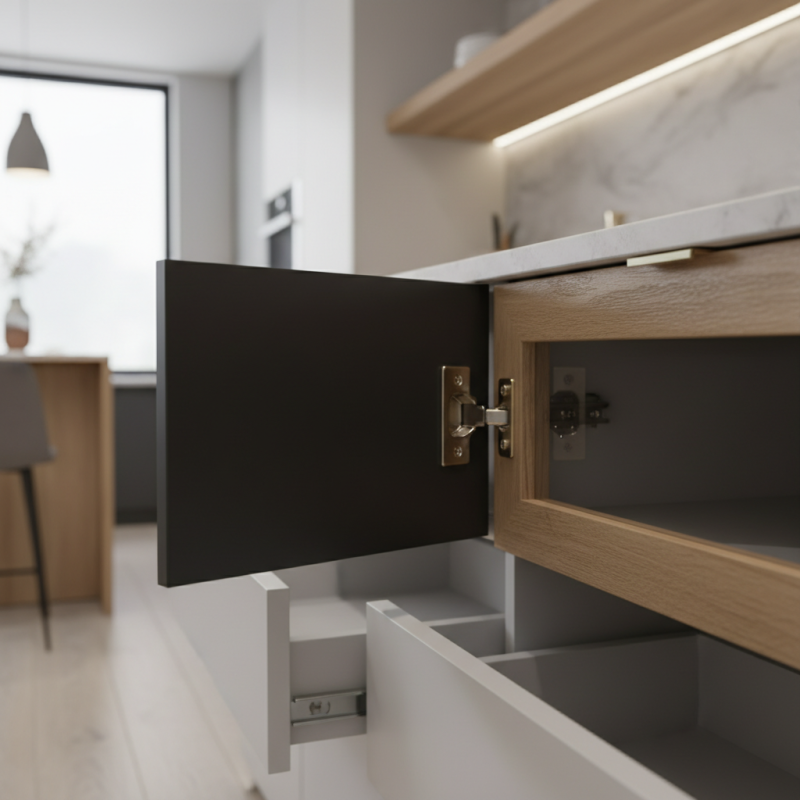
As the demand for cabinet hinges grows, it's vital to examine market trends for 2026. The global cabinet hinge market is projected to reach over $5 billion by 2026, driven by innovations in design and materials. The trend leans toward more durable and sustainable products as consumer awareness of environmental issues rises.
Market research indicates that dampening hinges are gaining popularity. These hinges provide soft-close features that enhance cabinet functionality. Additionally, the rise of smart homes introduces electronic hinges, appealing to tech-savvy buyers. In 2022, almost 30% of consumers expressed interest in automated cabinet systems. Yet, challenges remain. Cost fluctuations in raw materials impact pricing, complicating market stability.
As buyers consider options, they often overlook compatibility with cabinet designs. Many hinges on the market may not fit all styles, leading to potential installation issues. This can result in wasted resources and frustration. Exploring various products and understanding their specifications can help mitigate such risks. The future of cabinet hinges looks promising, but awareness and informed choices are crucial for buyers in 2026.
Best Cabinet Hinges Trends for Global Buyers in 2026
Analysis of Leading Materials for Cabinet Hinges: Durability and Performance
Cabinet hinges are critical components that impact both functionality and aesthetics. Different materials affect their durability and performance. Common materials include steel, stainless steel, brass, and plastic. Each has unique properties. Steel hinges are strong but may rust without proper coating. Stainless steel, often regarded as a premium option, resists corrosion effectively. This makes it ideal for kitchen and bathroom installations.
Brass hinges provide a classic look and excellent durability. However, they may require more maintenance to prevent tarnishing. Plastic hinges are lightweight and corrosion-resistant. Yet, they may not withstand heavy loads as well as metal hinges do. Selecting the right material greatly influences the overall success of cabinet installations.
It's important to consider various factors like weight capacity and environmental exposure. Not every hinge fits every cabinet style. User feedback on durability and performance varies widely. Some users report issues with hinges failing under stress. It’s essential to do thorough research and reflect on specific needs before making a choice. An informed decision can enhance the longevity and appearance of your cabinets.
Best Cabinet Hinges for Global Buyers in 2026 - Analysis of Leading Materials for Cabinet Hinges: Durability and Performance
| Material |
Durability Rating |
Performance Rating |
Corrosion Resistance |
Weight Capacity (lbs) |
| Steel |
8/10 |
9/10 |
Fair |
100 |
| Stainless Steel |
9/10 |
9/10 |
Excellent |
120 |
| Brass |
7/10 |
8/10 |
Good |
80 |
| Aluminum |
6/10 |
7/10 |
Very Good |
60 |
| Plastic |
5/10 |
6/10 |
Poor |
30 |
Consumer Preferences: A Survey of Global Buyers on Hinge Features
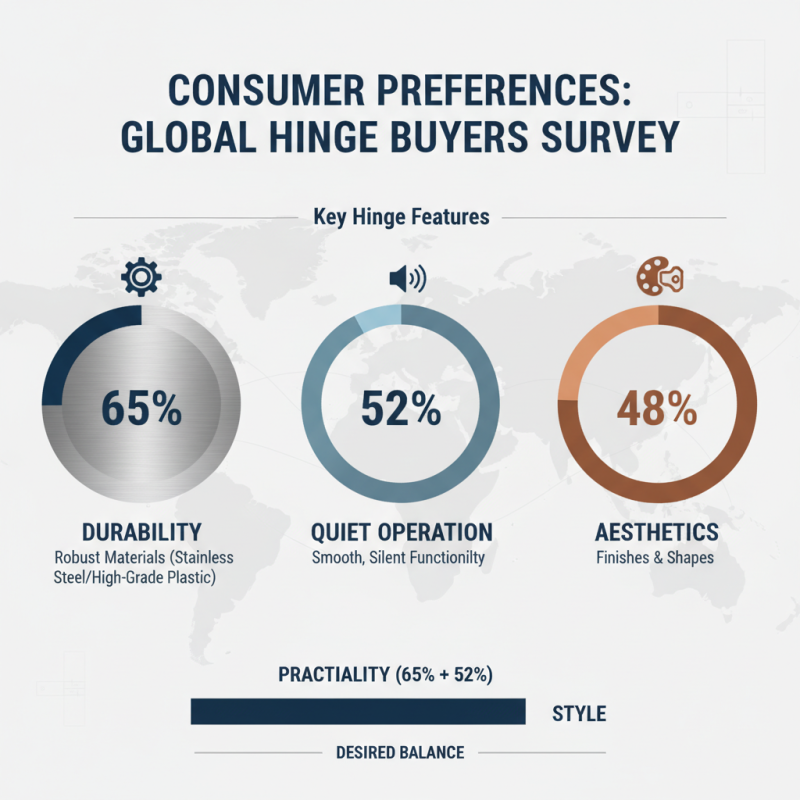
Consumer preferences for cabinet hinges vary widely across different regions. A recent survey revealed that 65% of global buyers prioritize durability when selecting hinges. This indicates a significant demand for more robust materials, like stainless steel or high-grade plastic. Additionally, 52% of participants emphasized the importance of quiet operation, reflecting a desire for functionality in their daily lives. Interestingly, 48% of respondents appreciate aesthetic features, such as finishes and shapes. These findings suggest that consumers are looking for a balance between practicality and style.
Tips for selecting the right hinge might include assessing your cabinet’s weight and dimensions. This will ensure that you choose a hinge with the appropriate load capacity. Exploring options like concealed hinges could enhance both the functionality and appearance of your cabinets. Be mindful that not all hinges suit every cabinet design, particularly those requiring a specific opening angle. Many buyers overlook this detail, which can lead to disappointment.
The survey also revealed a growing trend toward eco-friendly materials. About 37% of consumers prefer hinges made from sustainable sources. While this is a positive shift, the challenge remains in sourcing high-quality eco-friendly options. Buyers should question the reliability of claims regarding sustainability. Overall, as consumer preferences evolve, manufacturers must adapt to meet these diverse demands effectively.
Top Manufacturers of Cabinet Hinges: Market Share and Innovations
When exploring the cabinet hinge market, various manufacturers play a significant role. These key players are known for their innovative designs and technological advancements. Each manufacturer has unique features that can enhance cabinet functionality. Their market strategies often incorporate eco-friendly material options and customizable designs tailored to consumer preferences. However, the competitive landscape remains fierce.
Innovation is a double-edged sword. Many companies invest heavily in research and development, yet not all innovations resonate with the market. Some may focus on aesthetics over durability. This could lead to products that look appealing but fail in performance. Monitoring customer feedback can provide valuable insights. It helps companies align their offerings with actual consumer needs.
The market share among these manufacturers is constantly shifting. Companies that adapt quickly to trends maintain a competitive edge. Still, some may overlook important quality control measures in the rush to innovate. This inconsistency can affect consumer trust. Ensuring reliable products while innovating is a challenge worth addressing to remain relevant in 2026 and beyond.
Future Innovations: Smart Cabinet Hinges and Their Implications in 2026
In 2026, the cabinet hinge market is set to experience significant innovation. Smart cabinet hinges are becoming a reality. These hinges integrate technology to enhance functionality. Imagine a hinge that can automatically close doors softly or alert you if left open. This could be particularly useful in homes with children or elderly residents.
The implications of these innovations are vast. They can improve safety and convenience in a home. However, there are challenges. Implementing technology within hardware increases costs. Additionally, users may find these smart features complex. Not everyone is tech-savvy, which could hinder adoption. Moreover, maintenance could pose a concern. Regular upkeep of electronic components may be necessary.
Design and aesthetics are also vital in this evolution. Manufacturers are understanding the demand for sleek designs that blend with modern interiors. Yet, balancing technology with style remains a challenge. As we move toward 2026, these advancements in cabinet hinges need careful consideration. We must reflect on how they will impact daily life. The potential is immense, but so are the questions surrounding usability and practicality.