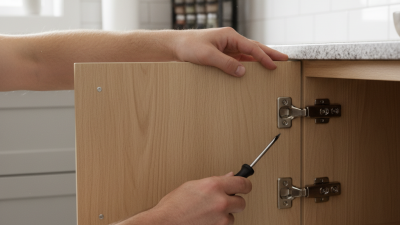
Choosing the right Adjustable Hinge begins with understanding the door, frame, and daily conditions around it. A kitchen cabinet, glass display case, and heavy steel gate require different hinge characteristics. Weight, door thickness, opening angle, clearance, and mounting space all affect performance. Ignoring one measurement can create uneven gaps, rubbing, or premature wear.
In practical installation work, installers often check alignment before selecting the final hinge. A small steel door may need a compact adjustable model with fine vertical and horizontal control. A frequently used commercial door may require stronger materials, protected bearings, and stable load support. Stainless steel suits humid environments, while coated steel can offer economical protection in ordinary indoor areas. Manufacturer load ratings matter, but they should not be treated as the only answer. Real use includes vibration, repeated impacts, temperature changes, and imperfect installation.
Reliable selection also depends on verified specifications and application experience. Check adjustment ranges, screw compatibility, corrosion resistance, maintenance needs, and replacement availability. Ask whether the hinge can be adjusted after the door is fully loaded. That detail is easy to miss. No selection guide is flawless. Site conditions vary, and published ratings may assume ideal installation. A careful review should compare technical documents with actual door behavior. This approach reduces guesswork and supports safer, smoother operation over time. The following guide explains the main types, measurements, materials, and installation considerations, helping buyers choose an Adjustable Hinge with greater confidence and fewer expensive corrections.
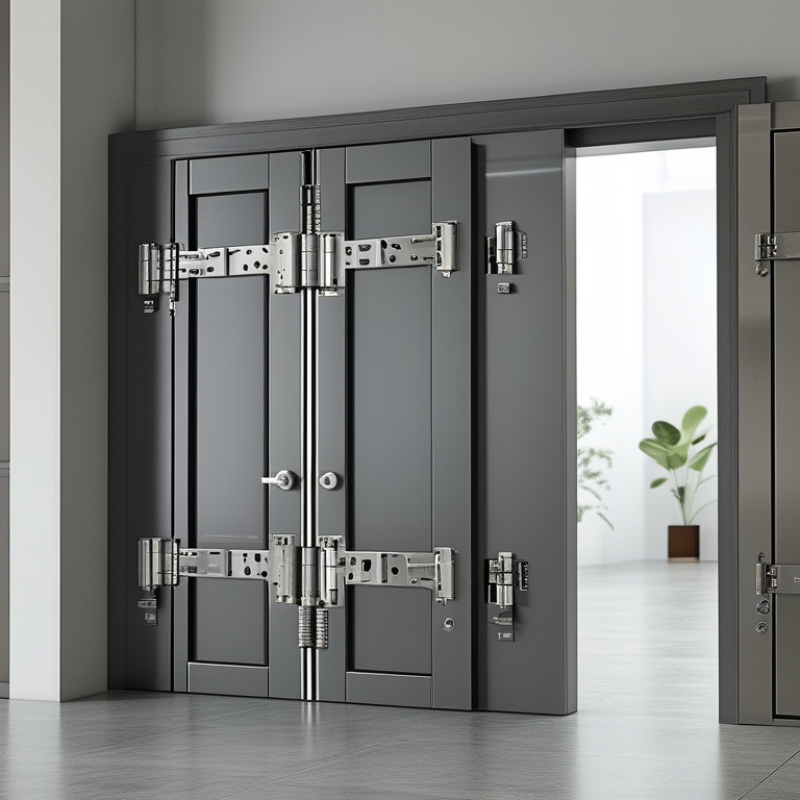
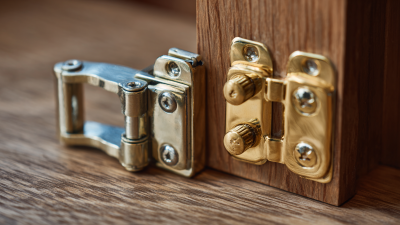
Choosing an adjustable hinge starts with movement, load, and installation space, not appearance alone. A door needing vertical correction often uses a three-way adjustable hinge. It can shift height, side position, and compression after installation. This suits cabinet doors, access panels, and light interior doors. For heavier gates or service doors, a pivot hinge may distribute weight more effectively. Its adjustment range must match the frame’s actual geometry.
Concealed adjustable hinges preserve a clean surface and work well in furniture and architectural panels. They require accurate drilling, because small alignment errors become visible at the closing edge. Friction hinges hold lids or screens at selected angles without extra stays. They suit equipment covers, display cases, and compact workstations. Choose stainless steel or protected steel in damp areas. Material choice matters. Salt air exposes weak finishes quickly. Check the rated load, cycle life, screw pattern, and adjustment method before ordering. A hinge that fits the weight may still fail when the panel flexes.
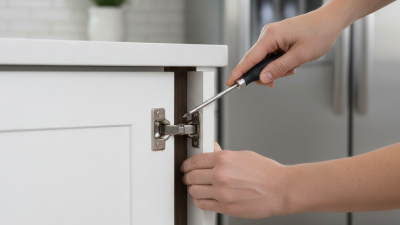
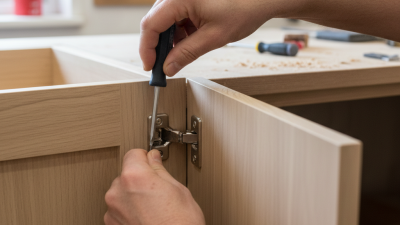
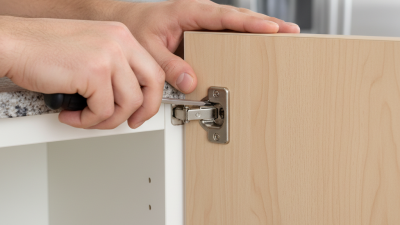
Installers should support the door before loosening adjustment screws. Make small changes, test the swing, and retighten every fastener. Installation guides can look clearer than the real assembly. A trial fit with temporary support is worth the extra minutes.
Start small. Do not ignore clearances around seals, handles, and neighboring panels. Leave enough space for seasonal movement and future servicing.
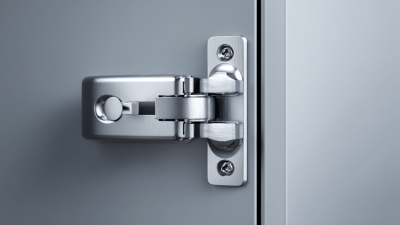
Choosing an adjustable hinge starts with the door, not the catalog. Measure the slab’s height, width, thickness, and total weight. Include glass, closers, locks, and surface-mounted hardware. A tall, wide door creates greater leverage, even when its weight seems moderate. Steel and fire-rated doors also require stronger adjustment control than lightweight interior timber doors.
Movement matters just as much. Record the opening angle, closing speed, clearance, and frequency of use. A busy entrance may cycle hundreds of times daily. ANSI/BHMA A156.1 lists hinge cycle classifications, including 2.5 million cycles for Grade 1 and 1.5 million for Grade 2. Select the performance grade after checking the current standard edition. Do not treat cycle data as a substitute for load calculations.
Installation experience reveals a common mistake: people measure the door but ignore misalignment. Adjustable hinges can correct small height and compression changes, yet they cannot rescue a weak frame. For a 90-kilogram door, distribute the load across properly spaced hinges and confirm the manufacturer’s tested capacity. Stainless steel suits humid locations, while coated steel may suit controlled indoor areas. Movement can be imperfect. Temperature, settlement, and repeated impacts change it over time. Leave practical adjustment access, then recheck gaps after several weeks. Door and Hardware Institute technical guidance also emphasizes coordinated door, frame, and hardware selection, rather than choosing hinges in isolation.
Door weight, width, material, and movement requirements directly affect hinge selection. Heavier or wider doors generally require more hinges and a higher load rating, while doors requiring wide opening angles need hinges designed for the specified movement range.
The values shown are representative specifications for common door constructions. Always confirm the final hinge capacity, adjustment range, and fire or safety requirements against the project specification.
How to Choose the Right Adjustable Hinge?
Adjustment range should match the installation, not merely the product label. A hinge with vertical, lateral, and depth adjustment can correct a heavy door after fitting. Measure the actual gap first. A 3 mm correction may solve rubbing, but it cannot fix a twisted frame. The National Fenestration Rating Council’s installation guidance stresses accurate alignment because small gaps affect operation and sealing.
Load capacity needs a safety margin. Do not select a hinge rated exactly for the door weight. Calculate the door, glass, hardware, and closing force together. EN 1935:2002 classifies hinges through load categories from 10 kg to 160 kg and tests many products for 200,000 cycles. That figure is useful, but real service includes impact, dirt, and uneven loading. I would usually target at least 25% spare capacity. More is sensible for frequent-use doors.
Durability depends on materials and testing conditions. ISO 9227 salt-spray testing can compare corrosion resistance, but its hours do not equal outdoor service years. Check the test method, coating, bearing design, and maintenance instructions. Stainless steel may suit humid areas, while hardened steel can handle repeated movement effectively. My earlier mistake was treating cycle numbers as a complete durability answer. They are not. Inspect the hinge after installation, especially when the door starts dropping, squeaking, or resisting the final few degrees.
Choosing the right adjustable hinge starts with the installation method, not appearance. Check whether the door uses surface mounting, concealed mounting, or a welded connection. A workshop test helps. Place the hinge against the frame and mark the screw holes before drilling. This reveals clearance problems around seals, trim, and nearby hardware. For heavy doors, confirm that the frame can carry the load without bending. The adjustment range must match the actual misalignment, not an optimistic estimate. Measure twice. It saves rework.
Compatibility depends on door weight, thickness, opening angle, material, and operating frequency. A hinge suited to a light interior panel may fail on a steel access door. Compare its load rating with the complete door assembly, including glass, cladding, and closers. Check screw size, hole spacing, corrosion resistance, and temperature exposure. Follow verified technical data and installation instructions. On one installation, a small frame-thickness difference prevented proper adjustment. We had to modify the mounting plate. That mistake was avoidable.
Maintenance needs should shape the choice from day one. Select accessible adjustment points when technicians work in tight spaces. Inspect fasteners, pivot points, and signs of metal fatigue during scheduled service. Remove dust before adjusting, then tighten locking hardware after alignment. Lubrication may help, but use only a product compatible with the hinge material and surrounding seals. Keep a simple service record. It can reveal repeated movement or frame settlement. Perfect alignment rarely stays perfect, especially at busy entrances.
A practical comparison of common adjustable hinge types for doors, cabinets, access panels, and gates.
| Hinge Type | Typical Adjustment | Preferred Installation Method | Typical Door or Panel Compatibility | Common Material | Typical Load Guidance | Maintenance Needs | Best Selection Use Case |
|---|---|---|---|---|---|---|---|
| Surface-Mounted Adjustable Hinge | Usually vertical and horizontal correction; some designs also allow depth adjustment. | Fastened directly to the door frame and door surface with screws or bolts. | Timber, steel, or aluminum doors where the hinge leaves can remain visible. | Zinc-plated steel, stainless steel, or galvanized steel. | Suitable for light- to medium-duty doors when the fasteners and frame are correctly sized. | Inspect screw tightness and hinge alignment periodically; lubricate the pivot when recommended. | Best for retrofit work and installations where easy access to adjustment points is important. |
| Concealed 3D Adjustable Hinge | Three-way adjustment: height, side-to-side position, and compression or depth. | Recessed into accurately machined pockets in the door and frame. | Flush interior doors and heavier architectural doors with sufficient recess depth. | Machined steel, stainless steel, or high-strength zinc alloy. | Load capacity varies substantially; confirm the hinge rating, door weight, and number of hinges. | Keep adjustment screws accessible, check fasteners after installation, and avoid paint or debris in the mechanism. | Best when appearance, accurate alignment, and a flush door surface are priorities. |
| Adjustable Cabinet Hinge | Commonly side, height, and depth adjustment for overlay alignment. | Cup-mounted in a circular recess, often paired with a mounting plate. | Cabinet doors made from wood-based panels, plywood, or engineered board. | Nickel-plated steel, stainless steel, or reinforced steel. | Designed for cabinet doors rather than full-size entry doors; use the stated door-weight limit. | Clean dust from the cup and mounting plate; retighten screws if the door begins to sag. | Best for correcting uneven gaps, overlay errors, and minor cabinet-door sagging. |
| Pivot Hinge with Adjustable Shoes | Height and lateral positioning through adjustable top or bottom shoes. | Installed at the top and bottom of the door, usually into reinforced frame or floor locations. | Large, tall, or wide doors where a pivot point can be structurally supported. | Stainless steel, steel, or aluminum with hardened pivot components. | Can support substantial doors when correctly engineered; verify floor, frame, and pivot ratings. | Keep the floor socket clean, inspect pivot wear, and check alignment after building movement. | Best for oversized doors, doors with limited hinge-side clearance, or pivot-opening designs. |
| Weld-On Adjustable Hinge | Vertical adjustment through a threaded pin or nut; some models allow limited lateral correction. | Welded to steel posts, frames, gates, or fabricated enclosures. | Steel gates, security doors, equipment enclosures, and fabricated frames. | Carbon steel, galvanized steel, or stainless steel. | Appropriate for medium- to heavy-duty metalwork when weld size and post strength are adequate. | Protect exposed threads from corrosion, lubricate the pin, and inspect welds and retaining nuts. | Best for welded steel assemblies where strength and field-level height correction matter. |
| Adjustable Spring Hinge | Spring tension can usually be increased or decreased to influence closing force. | Surface-mounted or mortised, depending on the hinge construction and door system. | Light- to medium-duty doors where self-closing action is required. | Steel or stainless steel with a preloaded spring mechanism. | Use the specified door-size and weight limits; excessive tension can accelerate wear. | Test closing speed and latch engagement, inspect spring hardware, and lubricate only where permitted. | Best for utility, service, or access doors that need controlled automatic closing without a separate closer. |
Cost should be judged beyond the purchase price. A cheap hinge may require frequent tightening, replacement, or door alignment. Check its load rating, adjustment range, material, and included fasteners before comparing prices. A hinge supporting a heavy steel door needs stronger construction than one used on a small cabinet. Measure twice. Do not guess.
Safety deserves careful attention. Look for stable movement, secure mounting points, and adjustments that cannot loosen easily during normal use. Test the door at different angles. Watch for pinching gaps, sudden drops, or excessive side movement. In practical installation work, small alignment errors can create surprising pressure on the frame. That matters.
Long-term performance depends on the environment. Moisture, dust, temperature changes, and repeated cycles can affect hinge movement. Corrosion-resistant materials may cost more, but they can reduce maintenance in damp areas. Choose accessible adjustment screws, because hidden hardware makes future servicing slower. I once underestimated how quickly a slightly misaligned door would wear its hinge. The mistake was minor, but the repair became expensive. A better evaluation includes the door weight, daily usage, surrounding material, and expected service life. If the hinge feels smooth during installation, that is useful evidence, not proof of lasting reliability. Check it again after several opening cycles.