Top Sliding Wardrobe Doors and Rails Suppliers in China?
Choosing a supplier for Sliding Wardrobe Doors And Rails means assessing more than price. Track alignment, roller quality, panel weight, and finish consistency affect daily use. Grand View Research estimated the global furniture market at USD 677.09 billion in 2023 and projected a 5.0% compound annual growth rate from 2024 to 2030. This broad market indicator suggests sustained demand for furniture, but it does not measure wardrobe-door hardware specifically. That distinction matters.
China offers manufacturers with different levels of specialization, customization, and quality control. Compare suppliers by checking rail materials, roller designs, available track lengths, load ratings, and soft-close options. Ask for technical drawings, sample components, test records, and clear details about inspection procedures. Confirm how finishes are protected during packing, especially when rails must travel long distances. A polished catalog is not enough. Neither is a low quote.
This guide reviews suppliers through practical, verifiable criteria, including product range, manufacturing information, and documentation buyers can request. Where public evidence is limited, that gap should be stated rather than guessed away. Supplier claims can vary. Look for answers that match the samples and records provided. That is a more dependable starting point for sourcing Sliding Wardrobe Doors And Rails than relying on promotional language alone.
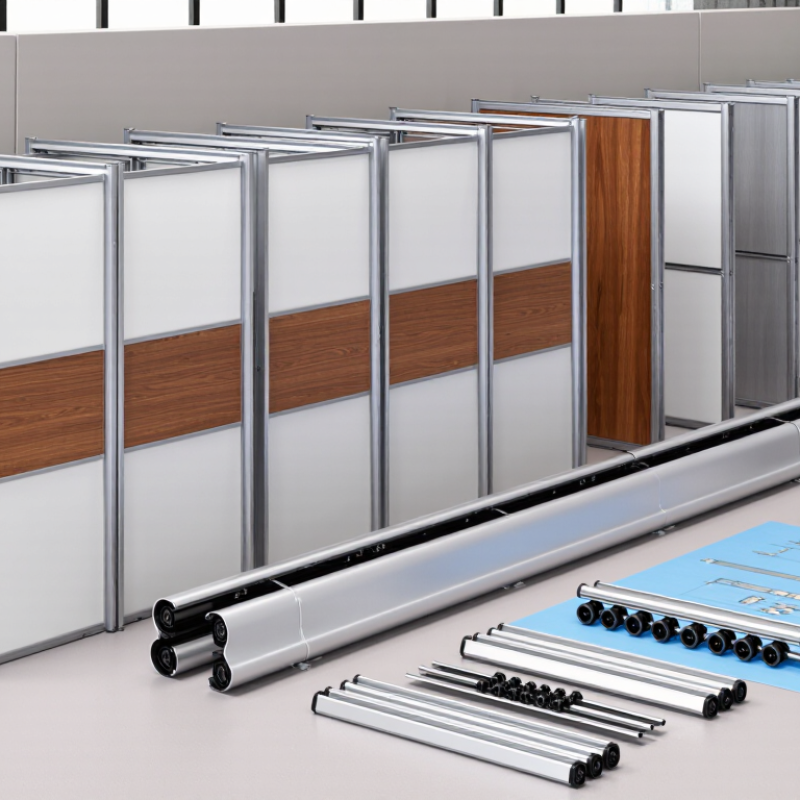
Understanding Sliding Wardrobe Doors and Rail Systems
Sliding wardrobe doors work as a system: panels, rollers, rails, guides, and stops must match. Top-hung designs carry panel weight through the upper track, while bottom-rolling designs transfer it to floor-mounted wheels. Each option has trade-offs. Top tracks need secure fixing; floor tracks can collect dust. Grand View Research estimated the global furniture market at about US$766 billion in 2023, with projected growth through 2030. This broad market estimate is not specific to wardrobe hardware, but it shows why consistent component quality matters across furniture supply chains.
Rail selection starts with the door’s measured weight, width, and material. Ask suppliers for rated load per panel, track thickness, roller material, and cycle-test results. A smooth showroom sample proves little if the assembled rail bends or the wheels loosen under repeated use. Small details matter. Check for anti-jump features, adjustable rollers, soft-close compatibility, and replacement-part availability. For orders from China, request drawings and a sample assembly before approving production. There is no perfect rail for every wardrobe; even a well-specified system may need adjustment when walls or floors are uneven. That detail is easy to overlook.
Sliding Wardrobe Doors: Idealized Clear Opening by Panel Count
A comparison of the maximum opening width as a share of the wardrobe opening.
The percentages are calculated for equal-width panels on separate tracks, assuming the panels can stack to one side and one panel-width remains covered. Actual clear opening depends on the door and rail design, panel overlap, and installation.
Types of Suppliers and Their Product Specialties
Sliding wardrobe door suppliers in China usually fall into four groups: complete-door manufacturers, aluminum-profile and rail producers, hardware specialists, and OEM/ODM assemblers. Complete-door factories supply panels, frames, rollers, and sometimes installation guidance. Profile makers focus on track geometry, finishes, and cut-to-length rails. Hardware suppliers concentrate on rollers, dampers, guides, and anti-jump fittings. Fit matters most. A smooth roller cannot compensate for a warped rail or a poorly aligned cabinet opening.
The China National Furniture Association’s 2023 industry review, drawing on National Bureau of Statistics data, reported operating revenue of 655.7 billion yuan for furniture manufacturers above designated size, down 4.4% year on year. This figure covers the wider furniture sector, not wardrobe doors alone, so it should not be treated as a niche-market estimate. Buyers can compare suppliers by checking rail thickness, roller load ratings, finish samples, and tolerance documents. Ask for a full-size track sample. That reveals more than a polished catalogue. Integrated factories may simplify coordination, while specialist rail makers can offer more profile options. The categories blur in practice; verify who actually manufactures each component, and who only assembles it.
How to Compare Leading Suppliers in China
Comparing sliding wardrobe door and rail suppliers in China starts with product details, not catalogue photos. Ask about rail material and wall thickness, roller composition, door-panel limits, and tested load per panel. Request a sample kit; slide it repeatedly, listen for scraping, and check whether the rollers stay aligned. Small noises matter. Check finish consistency across several pieces, not just one polished sample. Some low quotations omit end stops, soft-close parts, or export packaging.
Tips:
Compare like-for-like quotes. Request drawings, an itemized hardware list, sample lead time, production schedule, and carton dimensions. Put agreed tolerances in writing.
A capable supplier should explain how it checks rail straightness, roller movement, and finish defects during production. Ask for dated inspection photos or written quality records, then compare them with your approved sample. Test communication with a precise technical question; vague answers can signal future delays. Still, paperwork cannot guarantee every batch. Ask how replacements are handled and who pays for damaged parts. Don’t judge a supplier by response speed alone.
Sourcing, Customization, and Quality Verification Steps
When sourcing sliding wardrobe doors and rails in China, compare suppliers by production capability, not price alone. Ask whether they manufacture the panels, tracks, or both. Request dimensioned drawings, material specifications, and recent inspection records. A clear paper trail helps prevent costly assumptions.
Customization should begin with the opening measurements and expected use. Share the finished opening width, height, and wall condition, then confirm acceptable tolerances with the supplier. Specify rail material, roller type, door weight, finish, and handle position. Small details matter. Request a sample or working assembly before approving a large order. Check that the rollers move smoothly and the doors stay aligned across the full track.
Quality verification needs agreed checkpoints. Review the sample against the approved drawing, and inspect rail straightness, hole placement, surface finish, and packaging before shipment. Ask how defects are recorded and corrected, and keep dated photos of each inspection. A quote can look complete while leaving packaging or installation clearances undefined. That is easy to miss. Confirm those details in writing, and use an independent inspection when order value or project risk justifies it.