10 Essential Tips for Choosing Sliding Wardrobe Doors and Rails?
When selecting sliding wardrobe doors and rails, the choices can be overwhelming. In the interior design industry, the right decision can significantly enhance both functionality and aesthetics. According to a recent report by the Wardrobe Association, over 70% of homeowners prioritize efficient space utilization when choosing wardrobe solutions. Expert John Anderson, a renowned designer in this field, emphasizes, “A well-selected sliding wardrobe can transform clutter into order.”
Sliding wardrobe doors and rails offer a blend of style and practicality. They come in various materials and finishes, allowing customization for different home decors. However, the significance of quality cannot be overstated. Investing in subpar rails may lead to frequent malfunctions or wear. It’s essential to remember that a stylish door means little if it does not operate smoothly. Reflecting on design and functionality is critical for any homeowner.
Furthermore, trends in the sliding wardrobe market indicate a shift towards sustainable materials. This aligns with the growing consumer demand for eco-friendly products. While aesthetics are vital, they should not overshadow the importance of durability and ease of use. Finding the right balance is key to making a wise investment in sliding wardrobe doors and rails.
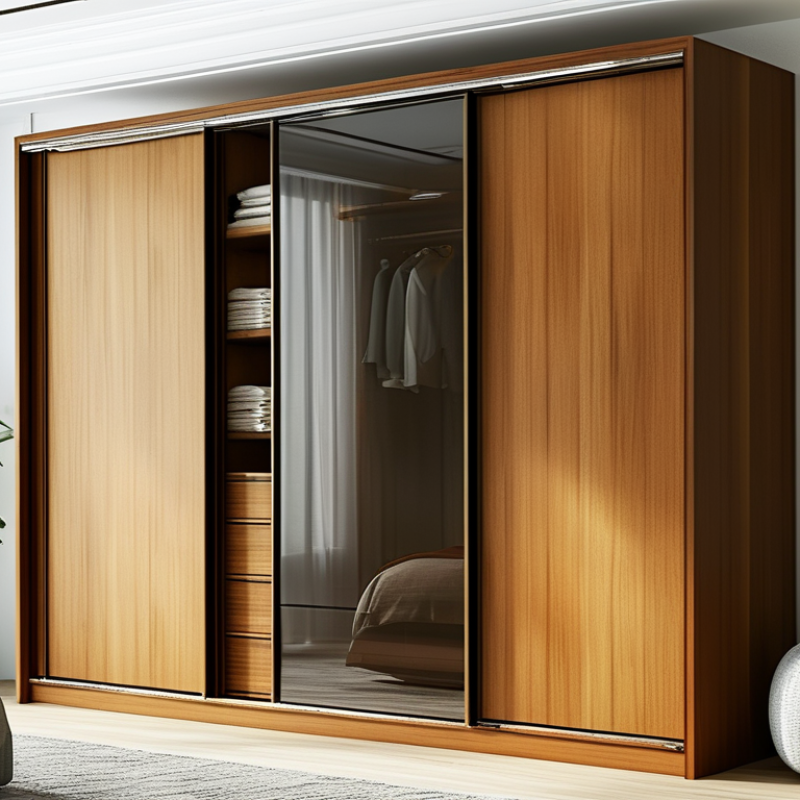
Understanding Different Types of Sliding Wardrobe Doors and Rails
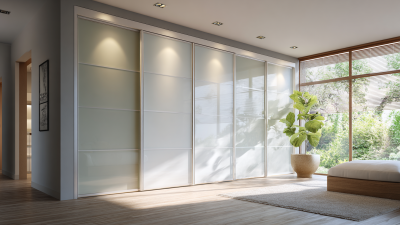
When selecting sliding wardrobe doors and rails, it's crucial to understand the different types available. Various options cater to different needs, each influencing both aesthetics and functionality. For instance, mirrored sliding doors can create an illusion of space, while solid wood provides warmth and durability. According to the Interior Design Association, approximately 40% of homeowners prioritize sliding doors due to their space-saving benefits.
It's important to consider the rail system. Some designs offer a dual or triple-track system for smooth operation. A recent study by Market Research Future estimates that the sliding door market will grow significantly, emphasizing the demand for innovative design solutions. A functional rail ensures longevity and ease of use.
Assess the space where the wardrobe will be installed. Measure height and width carefully. Many professionals recommend opting for adjustable rails to accommodate potential changes in design or layout. Different installation types, such as wall-mounted or recessed, can impact the overall look. Regularly reviewing your choices can lead to better decisions. Quality should never be compromised; long-lasting materials ultimately save costs over time.
10 Essential Tips for Choosing Sliding Wardrobe Doors and Rails
| Tip |
Description |
Material Options |
Cost Range |
| 1. Measure Your Space |
Ensure accurate measurements for a perfect fit. |
Wood, Metal, Glass |
$200 - $1000 |
| 2. Choose the Right Style |
Select a design that complements your room decor. |
Framed, Frameless |
$300 - $1200 |
| 3. Assess the Sliding Mechanism |
Choose a durable and smooth sliding system. |
Roller Systems, Track Systems |
$150 - $600 |
| 4. Consider Glass Options |
Choose between clear, frosted, or tinted glass. |
Tempered, Laminated |
$250 - $800 |
| 5. Evaluate Design Features |
Look for integrated lighting or mirrors. |
Customizable Designs |
$400 - $1500 |
| 6. Think About Privacy |
Frosted glass offers privacy while still being stylish. |
Frosted, Opaque |
$300 - $900 |
| 7. Review Installation Options |
Consider if you'll do it yourself or hire a pro. |
Standard or Custom Installation |
$100 - $500 |
| 8. Select Appropriate Colors |
Match with existing color schemes in your home. |
Custom Colors Available |
$200 - $800 |
| 9. Evaluate Cost vs. Quality |
Invest in quality for longevity and durability. |
High-grade materials |
$300 - $2000 |
| 10. Check Warranty and Support |
Ensure good after-sales support and warranty. |
Lifetime or Limited Warranty |
$50 - $300 |
Evaluating Material Options for Durability and Aesthetics
When selecting materials for sliding wardrobe doors and rails, durability and aesthetics are crucial. Common options include wood, metal, and glass.
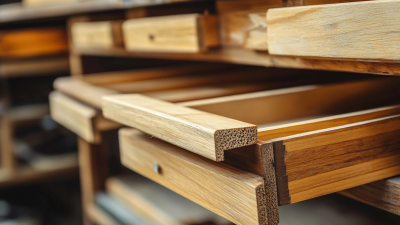
Wood provides warmth and a classic look. However, it may warp over time, especially in humid environments.
Metal offers a modern touch and is highly durable, but it can scratch easily if not maintained properly.
Glass is another popular choice due to its sleek design. It can make a space feel larger and brighter.
However, it requires regular cleaning to avoid fingerprints and dust. Evaluating your personal style and maintenance preferences is essential. Remember, each material communicates a different vibe in your space.
In addition to aesthetics, consider how these materials fit your lifestyle. For instance, if you have children or pets, robust materials that withstand wear and tear are vital. Reflect on how much time and effort you are willing to invest in upkeep. This reflection will lead you to the best choice for your sliding wardrobe.
Measuring Your Space Accurately for a Perfect Fit
Measuring your space is crucial for selecting sliding wardrobe doors and rails. Accurate measurements ensure that your new doors will fit perfectly and function smoothly. According to a report by the National Kitchen and Bath Association, around 30% of homeowners encounter issues with poorly measured spaces. This often leads to costly returns and renovations.
Start by measuring the width and height of the area where the doors will be installed. Use a stud finder to locate wall studs, as securing the rails to these is vital for stability. Aim for a clearance of at least 5 inches above the doors for smooth operation. A common mistake is neglecting the floor surface. Ensure it is level; otherwise, the doors may not slide correctly.
Consider depth when planning your wardrobe. If your sliding doors are too shallow, storage space may be compromised. Conversely, an overly deep wardrobe can make access difficult. Industry data shows that 45% of users regret not optimizing their wardrobe depth. Testing the sliding mechanism before finalizing the rail system can also reveal potential flaws. Always be prepared to adjust your design based on specific room characteristics for the best outcome.
Choosing the Right Hardware for Smooth Operation
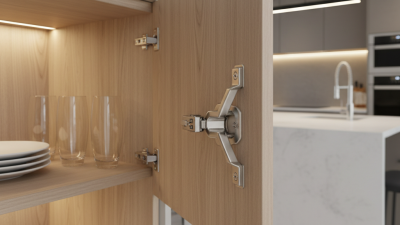
Choosing the right hardware for sliding wardrobe doors is essential for functionality and longevity. High-quality rails ensure smooth operation and prevent annoying jams. Look for options made from durable materials like aluminum or steel. These materials can withstand frequent use and resist wear over time.
When selecting rollers, consider their design closely. Rollers should glide smoothly along the rails. Test their movement before finalizing your choice. If you're experienced in DIY projects, remember that installation can affect performance. Misalignment may lead to doors that are difficult to open or close. Take your time during installation for the best results.
Pay attention to the weight capacity of the hardware. Heavier doors require more robust supports. Improperly matched hardware can lead to premature wear. It's necessary to assess both the door and hardware specifications. Finding a balance between aesthetics and functionality is vital in this decision-making process. Properly installed and chosen hardware can ultimately enhance the overall experience of using sliding wardrobe doors.
Designing for Style: Customizations and Finishes Options
Choosing the right finishes for sliding wardrobe doors is crucial for achieving a stylish look. Consider materials like wood, glass, or metal. Each option offers different textures and colors. Wood adds warmth, while glass can create an illusion of space. Metal might provide a modern, sleek finish.
Customization is key in making these doors fit your decor perfectly. You can opt for mirrored surfaces to enhance lighting and make the room feel larger. Adding unique handles or customized panel layouts can elevate your design. Reflect on how you use the space. Ensure the decor complements your lifestyle, and don't rush the decision.
Sometimes, wanting a trendy finish leads to overlooking durability. A beautiful door may not stand the test of time if it’s made from low-quality materials. Examine the pros and cons of each finish before finalizing your choice. Prioritize both aesthetics and practicality to ensure your investment pays off in the long run.
Essential Tips for Choosing Sliding Wardrobe Doors and Rails
This bar chart illustrates the importance of various factors when choosing sliding wardrobe doors and rails, based on user preferences.