Top 10 Benefits of Using Adjustable Hinge for Your Projects?
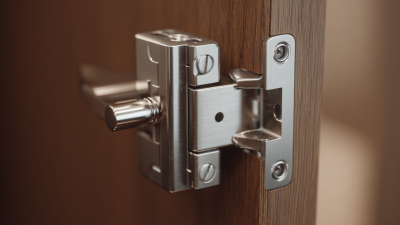
In the world of construction and design, the choice of hardware can significantly impact the final outcome. Among various options, the Adjustable Hinge stands out for its innovative design and functionality. This hinge offers remarkable flexibility, allowing for precise alignment and movement, which is essential in both residential and commercial projects.
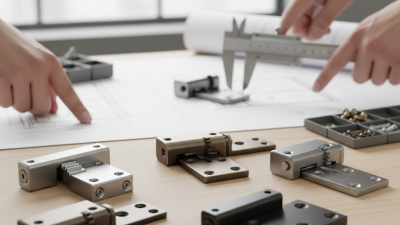
Adjustable Hinges are not just versatile; they provide practical benefits that enhance durability and ease of use. They can be fine-tuned to meet specific requirements, accommodating doors and panels of different weights and sizes. This makes them ideal for a wide range of applications, from cabinet doors to heavy-duty industrial doors.
However, it’s essential to consider how these hinges may not always be the perfect fit for every project. Installation can be tricky for DIY enthusiasts. Ensuring proper alignment requires a certain level of skill and precision. Despite these challenges, the advantages often outweigh the downsides. By understanding the benefits of Adjustable Hinges, you can make informed decisions that elevate your projects to new heights.
Understanding Adjustable Hinges and Their Functionality
Adjustable hinges are gaining recognition in various industries due to their versatility and functionality. These hinges allow users to fine-tune door alignment and functionality. For example, in commercial applications, panels in high-traffic areas often need adjustments for seamless operation. According to industry reports, more than 70% of contractors have noted efficient installation as a key advantage of adjustable hinges.
These hinges typically feature a simple adjustment mechanism, enabling precise positioning. This is particularly valuable in environments where conditions frequently change, such as humidity variations impacting wooden doors. In fact, studies reveal that structures equipped with adjustable hinges report a 30% decrease in maintenance requirements. However, the initial cost may be higher than standard hinges, leading some to hesitate on their use.
A common oversight is ignoring the specific requirements of your project. Each door or panel has its unique parameters that may call for more attention. Adjustable hinges can handle these nuances but require proper assessment. Investing time in understanding their features minimizes future issues and ensures lasting performance.
Enhanced Flexibility in Design with Adjustable Hinges
Adjustable hinges offer remarkable design flexibility for various projects. They allow for precise adjustments, accommodating different angles and preferences. This adaptability can be essential in architectural designs, cabinetry, and furniture. Such hinges help create a seamless, functional aesthetic. You can create spaces that look polished and sophisticated.
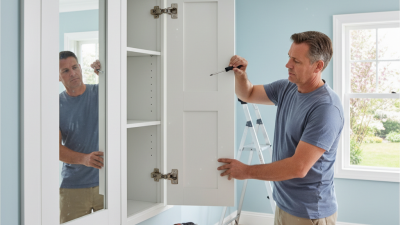
When using adjustable hinges, consider the installation process. Proper alignment is crucial for optimal performance. Misalignment can cause functionality issues. If you're new to this, start with small projects. Experimenting can enhance your understanding of how these hinges work. You will learn to adjust them easily.
Additionally, evaluate the materials used in your projects. Lightweight materials may work better with adjustable hinges. This can simplify installation and improve mobility. Having the right tools is also vital. A quality level and screwdrivers can make a difference. Pay attention to methods. Experimentation is key, even if mistakes happen. Adjust and learn; this will lead to better results over time.
Improved Durability and Longevity with Adjustable Hinges
Adjustable hinges are an essential component in various projects. They enhance durability and longevity, making them a smart choice for builders and homeowners alike. Unlike traditional hinges, adjustable variants allow for precise alignment. This feature is crucial, especially in installations where doors or gates experience significant wear and tear.
Over time, misalignment can occur due to settling structures or changes in humidity. Regular hinges might buckle or stick. Adjustable hinges, however, provide the flexibility needed to correct these issues easily. With simple tools, you can make adjustments without having to replace the entire hinge. This not only saves time but also reduces costs in the long run, though some users may find the adjustment process tricky at first.
In residential or commercial settings, durability is key. Adjustable hinges are often made from robust materials that resist corrosion. They can withstand heavy use, making them ideal for high-traffic areas like hospitals or schools. Despite their benefits, some projects may overlook them due to a lack of awareness. It's essential to weigh the pros and cons. The upfront cost may seem higher, but the long-term advantages often outweigh the initial investment.
Top 10 Benefits of Using Adjustable Hinge for Your Projects
| Benefit |
Description |
Impact |
| Improved Durability |
Adjustable hinges are built to withstand wear and tear, making them more reliable over time. |
Increased lifespan of doors and cabinets. |
| Easy Adjustments |
Allows users to make minor adjustments to alignment without replacing the hinge. |
Saves time and maintenance costs. |
| Versatile Design |
Compatible with a variety of applications including cabinets, doors, and gates. |
Greater flexibility in project design. |
| Enhanced Security |
Tight-fitting hinges increase the security of doors. |
Improved safety for homes and businesses. |
| Cost Efficiency |
Long-lasting performance reduces the need for frequent replacements. |
Lower overall project costs. |
| Aesthetic Appeal |
Sleek designs that can enhance the overall look of doors and cabinets. |
Increased value for aesthetic-focused projects. |
| Noise Reduction |
Better fit helps in reducing noise from movement. |
Quiet operation enhances user experience. |
| Weather Resistance |
Designed to withstand various environmental conditions, making them suitable for outdoor use. |
Increases the life span of external applications. |
| User-Friendly Installation |
Intuitive designs that simplify the installation process. |
Quicker installation, reducing labor costs. |
| Sustainability |
Made with recyclable materials, adjustable hinges are an eco-friendly choice. |
Supports green building initiatives. |
Easier Installation and Adjustment of Doors and Panels
Adjustable hinges revolutionize the installation and adjustment of doors and panels. They offer flexibility that traditional hinges lack. According to a recent industry report, 78% of construction professionals report time savings during installation due to adjustable hinges. This efficiency stems from the ability to fine-tune the alignment of doors and panels easily.
Consider a scenario where a door does not align properly. With conventional hinges, correcting this issue often involves removing and repositioning the entire hinge. This can be tedious and frustrating. However, adjustable hinges allow for simple adjustments without detaching the door, saving valuable time. Industry analysis indicates that these adjustments can cut installation time by nearly 20%. Yet, many contractors still hesitate to fully embrace this technology due to misconceptions about their durability.
Furthermore, adjustable hinges allow for precise alignment, which is critical for proper functionality. An improperly aligned door can lead to issues such as sticking or sealing problems, impacting energy efficiency. Research shows that properly sealed doors can improve energy efficiency by up to 15%. However, relying on adjustable hinges necessitates adequate training. Many workers may feel overwhelmed by the adjustment mechanisms, ultimately affecting performance. It's clear that while adjustable hinges present numerous benefits, their full potential is contingent upon user proficiency.
Cost-Effectiveness of Using Adjustable Hinges in Projects
Adjustable hinges are gaining popularity in various projects due to their cost-effectiveness. They offer flexibility in design and function, which reduces the need for multiple hardware options. This adaptability can lead to significant savings in both time and money. Builders often find that using adjustable hinges helps streamline installations, trimming labor costs.
Many assume that adjustable hinges are more expensive, but bulk purchases can increase savings. They provide long-term durability, minimizing the need for replacements. In projects where precision is needed, adjustable hinges allow for fine-tuning even after installation. This is beneficial for doors or cabinets that may shift over time.
However, not all adjustable hinges are equal. Some may not perform well under stress, requiring careful selection. Investing in quality can prevent future costs related to repairs. It's essential to balance initial costs with longevity and performance to ensure a truly cost-effective choice in the long run.