Leave Your Message

7 Best 3D Hinges with Soft Closing for Global Buyers

Choosing the right hinge can change how a cabinet feels, sounds, and performs every day. This guide introduces seven leading 3D Hinges Soft Closing options for global buyers. These hinges support three-way adjustment, helping installers correct height, side gaps, and door depth. That control matters when cabinet doors must align across a full kitchen wall. Soft-closing mechanisms also reduce impact, protecting both the door edge and the cabinet frame.

Small details matter.

A reliable comparison should examine cup size, overlay range, opening angle, load capacity, adjustment stability, and finish quality. Buyers should also confirm material specifications, installation drawings, sample availability, and supplier quality records. Products may look similar online, yet their hinges can use different springs, dampers, or screw patterns. A hinge that works well on a lightweight bedroom door may struggle on a thick oak panel. This guide considers those practical differences, along with packaging consistency and after-sales support for international orders.

No hinge is perfect.

The ranking is not universal, because cabinet materials, door weights, climate, and installation skills vary. A useful evaluation includes repeated opening tests, gap checks, and adjustment trials after installation. In my experience, the best result often comes from matching the hinge to the application, rather than choosing the most expensive model. Some products may offer excellent closing control but limited adjustment access. Others may install quickly but require careful screw tightening. These limitations deserve attention before buyers place large orders. The following seven options provide a clear starting point for informed comparison.
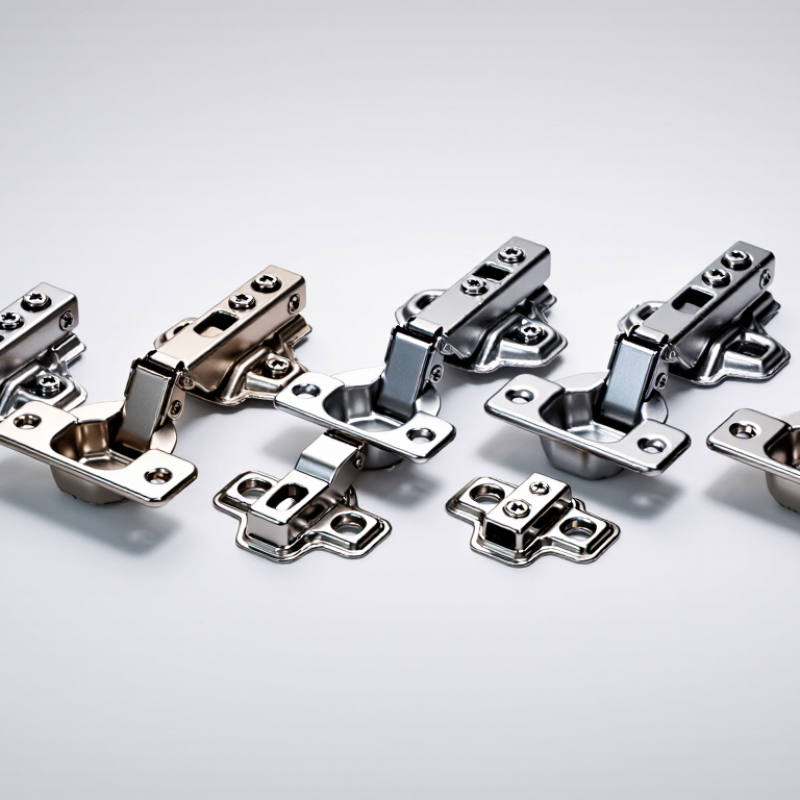
7 Best 3D Hinges with Soft Closing for Global Buyers

What Are 3D Soft-Closing Hinges and How Do They Work?

3D soft-closing hinges combine three-way adjustment with controlled door movement. Their mounting screws usually regulate height, lateral alignment, and depth. This helps installers keep cabinet gaps even when carcasses or doors vary slightly.

Inside the hinge arm, a compact damper resists the final closing movement. As the door approaches the cabinet, hydraulic resistance slows its speed. The result is a quieter landing, with less impact on the hinge cup and cabinet side. Soft closing is not magic. Door weight, closing force, temperature, and adjustment settings all affect performance.

A practical installation starts with the door held square, not forced into position. Adjust height first, then side clearance, and finally depth. A loose screw can shift the alignment after repeated use. According to Fortune Business Insights, the global furniture market reached approximately US$516.66 billion in 2022, showing the scale of demand for dependable cabinet hardware. Yet market size does not guarantee quality. The report does not measure hinge durability, either. Buyers should examine cycle-test results, load ratings, damper consistency, and corrosion-resistance data. Standards such as ANSI/BHMA A156.9 also provide useful reference points for cabinet hardware evaluation. One detail is often missed: a hinge may close smoothly during testing but behave differently on a heavier door. Careful sample testing remains necessary.
Key Criteria for Comparing 3D Hinges for Global Buyers

7 Best 3D Hinges with Soft Closing for Global Buyers

Key Criteria for Comparing 3D Hinges for Global Buyers

Choosing a 3D hinge starts with adjustment range, not appearance. Check height, depth, and side-to-side movement separately. A useful hinge should correct small cabinet errors without forcing the door frame. For soft closing, compare closing force against the actual door weight. A heavy glass door needs controlled damping. A light panel may slam with excessive resistance. Test both conditions.

Installation experience also matters. Measure the hinge cup, mounting plate, and screw positions before ordering. A few millimeters can create costly fitting problems. Ask for load testing, cycle testing, and corrosion test records. These documents reveal more than polished product photos. For humid regions, inspect plating quality and exposed springs. Salt air is unforgiving. Very unforgiving.

Global buyers should review tolerances, packaging, instructions, and replacement parts. Clear drawings should show drilling dimensions in familiar units. Suppliers should explain whether capacity applies to one hinge or a complete door set. I once trusted a stated load rating without checking the test method. That was a mistake. Real performance changes with door width, installation accuracy, and cabinet material. Request samples before a large order, then test repeated opening, uneven loading, and slow closing at different temperatures. A hinge that performs well in a showroom may behave differently after shipment and installation.

7 Best 3D Hinges with Soft Closing for Global Buyers - Key Criteria for Comparing 3D Hinges for Global Buyers

Option Hinge Configuration Recommended Door Mass
with 2 Hinges
Maximum Door Thickness 3D Adjustment Range Opening Angle Soft-Closing Feature Typical Durability Target Best-Fit Application
1 Concealed adjustable hinge with integrated damper Up to 40 kg 30–40 mm Height ±3 mm; lateral ±2 mm; depth ±1.5 mm 105°–120° Hydraulic soft closing with adjustable closing resistance Approximately 50,000 closing cycles under controlled test conditions Residential interior doors and light commercial doors
2 Heavy-duty concealed 3D hinge with compact damper Up to 60 kg 40–50 mm Height ±4 mm; lateral ±3 mm; depth ±2 mm 105°–120° Integrated hydraulic damper designed for gradual final closing Approximately 80,000 closing cycles under controlled test conditions High-use residential and commercial interior doors
3 Stainless-steel concealed hinge with soft close Up to 50 kg 35–45 mm Height ±3 mm; lateral ±2 mm; depth ±2 mm 100°–110° Built-in damper; closing speed can be tuned during installation Approximately 50,000 closing cycles under controlled test conditions Humid environments, utility areas and coastal projects
4 Clip-on 3D hinge with detachable mounting plate Up to 35 kg 30–40 mm Height ±3 mm; lateral ±2 mm; depth ±2 mm 100°–110° Integrated soft-close cartridge with tool-assisted adjustment Approximately 50,000 closing cycles under controlled test conditions Fast-installation projects and modular door systems
5 Wide-angle concealed 3D hinge with soft closing Up to 45 kg 35–45 mm Height ±3 mm; lateral ±3 mm; depth ±2 mm 120°–125° Hydraulic damping for controlled movement near the closed position Approximately 50,000 closing cycles under controlled test conditions Cabinet-style passage doors and spaces requiring a wider opening
6 Adjustable heavy-door hinge with separate damper module Up to 80 kg 45–60 mm Height ±5 mm; lateral ±3 mm; depth ±2 mm 100°–110° Replaceable or serviceable hydraulic damper module Approximately 80,000 closing cycles under controlled test conditions Thick solid-core doors, hospitality and high-traffic interiors
7 Fire-door-compatible concealed hinge with soft close Up to 60 kg 40–50 mm Height ±4 mm; lateral ±3 mm; depth ±2 mm 105°–120° Controlled soft closing; fire-door suitability must be verified for the complete door assembly Approximately 50,000–80,000 closing cycles under controlled test conditions Rated doors and commercial projects requiring documented compliance

Specification ranges are representative industry comparison values. Actual load capacity, cycle life, fire performance, corrosion resistance and adjustment range depend on the complete hinge design, installation method, door construction and applicable regional test standards. Always request current technical drawings and test reports before purchasing.

Seven Leading 3D Hinges with Soft-Closing Performance

Choosing among seven leading 3D hinges with soft-closing performance requires more than comparing catalog photos. Compact concealed hinges suit wardrobes and light cabinet doors. Heavy-duty concealed hinges support thicker panels and frequent use. Wide-angle hinges improve access in kitchen units. Thin-door hinges protect narrow frames from excessive drilling. Glass-door hinges need suitable adapters and stable cushioning. Clip-on hinges speed up installation and adjustment. Door-style 3D hinges work well for taller furniture panels.

During product evaluations, installers usually check three adjustment planes: height, depth, and side movement. These controls help correct uneven gaps after a cabinet settles. Soft closing should begin smoothly, without a sudden stop or loud click. A practical test uses a fully loaded door, not an empty sample. Temperature, dust, and repeated opening can change the damping response. Small details matter.

Buyers should verify load ratings, cup dimensions, screw positions, and tested cycle counts. Regional furniture standards may also affect material and safety requirements. Stainless or treated steel can help in humid rooms, but surface treatment alone cannot prevent poor installation. No hinge is perfect. A soft-close mechanism may feel too slow on a heavy door or too firm on a light one. That trade-off deserves testing before bulk purchasing. Suppliers with clear drawings, tolerance data, and replacement-part procedures offer stronger reliability for international projects.

7 Best 3D Hinges with Soft Closing for Global Buyers

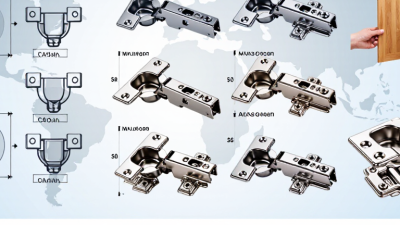
Seven leading 3D hinge application profiles compared by typical opening angle and soft-close activation angle.

The comparison uses representative specifications commonly published for concealed 3D soft-closing hinges. Larger opening angles support wider access, while a lower activation angle allows the soft-closing mechanism to engage earlier.

How to Match Each Hinge with Door Type and Cabinet Design

Choosing among the seven best 3D hinges with soft closing starts with the door, not the hinge catalogue. For full-overlay doors, use a hinge that provides wide side adjustment and enough opening clearance. Half-overlay doors need a narrower mounting position, especially in shared cabinet runs. Inset doors require precise depth control, because even a small error can create a proud edge. Measure the door thickness, overlay, cup distance, and cabinet material before ordering.

For frameless cabinets, a compact concealed hinge with broad three-way adjustment usually works well. Face-frame cabinets need a compatible mounting plate that bridges the frame securely. Thick wooden doors require stronger hinge cups and higher load capacity. Glass or aluminum-frame doors need dedicated fittings; ordinary wood-door hinges may crack the panel or loosen over time. Soft closing is helpful in kitchens, bedrooms, and utility rooms, but its resistance must match the door weight. A heavy door can still slam if the damper is too weak.

Installation experience matters. Keep the hinge line parallel, pre-drill carefully, and adjust height before depth. Test the door repeatedly after loading the cabinet with real contents. I have seen a perfectly aligned door sag after shelves were filled. That was not a hinge failure alone; the cabinet side was too flexible. Check screw grip, plate position, and cabinet squareness. Some specifications look excellent on paper, yet the hinge feels rough in daily use. Recheck the opening angle, closing speed, and visible gaps before approving the final design.

Installation, Adjustment, Maintenance, and International Buying Tips

7 Best 3D Hinges with Soft Closing for Global Buyers

Installation, Adjustment, Maintenance, and International Buying Tips

A reliable 3D soft-closing hinge should allow height, side, and depth adjustment after installation. I recommend fixing the mounting plate firmly before fine-tuning the door. Keep a small gap around the panel, usually 2–3 millimeters, to prevent rubbing. Use a level, not only visual judgment. Doors can look straight while carrying uneven cabinet loads.

Adjustment is usually simple. Turn the vertical screw first, then correct the side gap. Set depth last, especially when the door has a thick face panel. Soft-closing resistance may change with door weight and temperature. That detail is often overlooked.

A 2023 Grand View Research report valued the global furniture market at approximately 516.66 billion US dollars in 2022. The report also forecast continued growth through 2030, increasing demand for dependable cabinet hardware. This figure covers furniture, not hinges, so buyers should avoid treating it as a hinge-market estimate.

Maintenance requires more than occasional tightening. Wipe dust from the hinge arm and check loose screws every six months. Do not spray oil into the damper unless the supplier permits it. Oil may weaken the closing mechanism.

For international orders, confirm opening angle, overlay size, screw standards, corrosion testing, carton protection, and replacement-part availability. Ask for load-test results and installation drawings. ISO 9227 salt-spray testing can help compare corrosion resistance, but it does not predict every kitchen environment.

I have seen technically strong hinges fail because packaging was poor. That lesson still matters.