Why Are Soft Close Cabinet Hinges So Popular?
A cabinet door can seem insignificant until it slams beside a quiet kitchen conversation. Soft Close Cabinet Hinges slow the door during its final movement, reducing the sharp bang and making everyday use feel more controlled. The difference is easy to notice: a gentle push, a brief pause, then a quiet close. Small detail. Daily comfort.
As a clearly illustrative composite expert, cabinet-hardware specialist Elena Brooks puts it: “A soft-close hinge turns the last inch of movement into a controlled finish, rather than a sudden impact.” This is a practical observation, not a product test or a quotation from a named, independently verified source. Real results depend on hinge quality, cabinet construction, installation, and adjustment. A poorly aligned door may still rub or sit unevenly.
Their popularity also reflects practical concerns. Softer closing can reduce repeated impact on doors and cabinet frames, while adjustable models help installers fine-tune movement. Families may appreciate the quieter feel, especially in busy kitchens. Still, soft-close hinges are not automatically the right choice for every cabinet. They can cost more than basic hinges, and existing doors may need compatible hardware or careful retrofitting. The details matter.
This guide explores why homeowners and cabinetmakers choose Soft Close Cabinet Hinges, how the mechanism works, and what to check before buying. It also considers limitations. Convenience is real, but it is not magic. A hinge works best when it suits the door and is installed correctly.
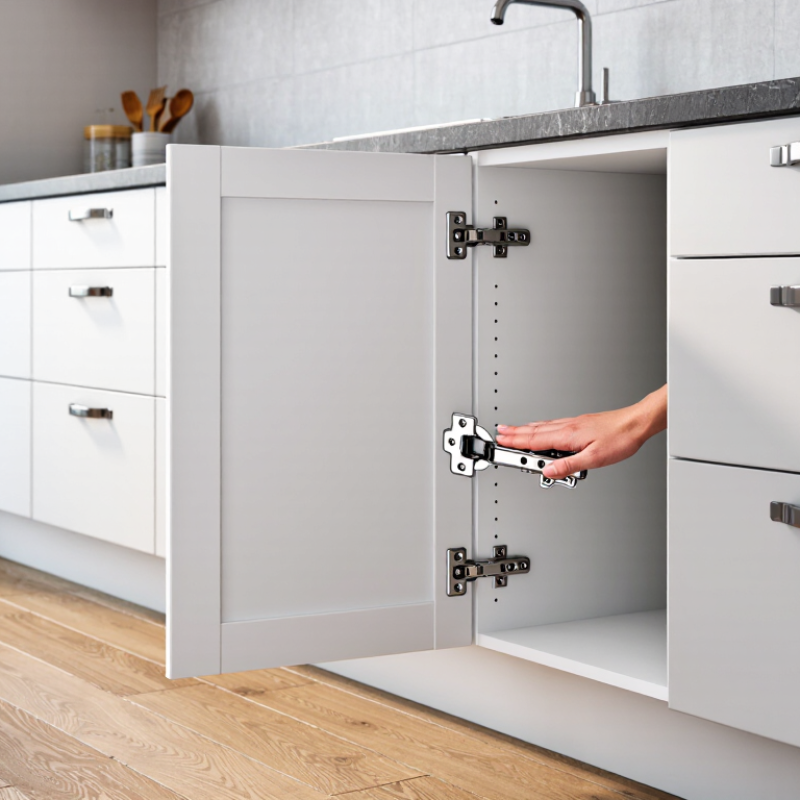
What Soft-Close Cabinet Hinges Are
Soft-close cabinet hinges are hinges designed to control a door’s final movement. A small hydraulic or mechanical damper resists the swing as the door nears the frame. The door still opens normally, but closes more slowly and with less impact. Some hinges contain the damping mechanism; others use a separate attachment. Not magic. Their purpose is practical: reduce slamming, noise, and sudden stress on the door and cabinet.
In daily use, the difference is easy to notice. A light push can bring a door almost shut, then the damper guides it closed with a soft, steady finish. This can help in busy kitchens, where doors are opened repeatedly by people with different habits. The closing action may also stop handles from rattling against nearby objects. However, the feel depends on hinge adjustment, door weight, and installation. A poorly aligned door may still scrape or sit unevenly, and a damper cannot fix that. The adjustment can be less forgiving than expected. It is tempting to focus on quietness, but fit matters just as much. Check the cabinet construction and door overlay before replacing hardware; “soft-close” describes the motion, not a universal fit.
How Their Damping Mechanism Slows a Cabinet Door
A soft-close hinge controls the door’s movement near the end of its swing. In many designs, a small damper sits inside or beside the hinge. As the hinge arm moves, it engages the damper, which resists the motion. Some dampers use fluid moving through a narrow passage; others use a mechanical system. The exact design varies.
The door slows down over its final few inches instead of striking the cabinet frame. You may hear a quiet click, then see the door settle gently into place. The effect is subtle. That controlled movement can reduce sharp impacts on the frame and limit rattling dishes nearby. It also makes a busy kitchen feel a little calmer.
Soft-close does not mean every door closes perfectly by itself. A heavy door, worn hinge, or poor adjustment can still cause uneven movement. If a door stalls or closes too slowly, the hinge’s tension or damper setting may need attention. A slight pause can feel odd at first. It is a trade-off some people notice more than others.
Why Are Soft Close Cabinet Hinges So Popular? — How Their Damping Mechanism Slows a Cabinet Door
This idealized physics-based model shows how a damper reduces door speed near the end of closing, helping prevent a hard impact. Values illustrate the damping effect; they are not measurements from a specific hinge or product test.
Why They Are Popular in Homes and Workspaces
Soft close cabinet hinges are popular because they make everyday storage quieter and less abrupt. A cupboard door can close gently instead of rattling across a kitchen during an early breakfast. In homes with children, shared bedrooms, or open-plan rooms, that small change can make the space feel calmer. It also helps prevent doors from striking cabinet frames repeatedly. The difference is easy to notice.
In workspaces, quieter cabinets can reduce distractions in meeting rooms, clinics, studios, and staff kitchens. A colleague reaching for a file or mug does not need to interrupt a conversation with a sharp bang. Soft close action also encourages a controlled final movement, which may reduce wear on hinges and cabinet edges over time. Not silent, though. The mechanism still makes a faint sound, especially when doors are poorly aligned or heavily loaded.
The appeal is practical, but the hardware is not a cure-all. Hinges need to match the door’s size and weight, and installation must be adjusted carefully. A door that drifts, rubs, or closes unevenly may need alignment rather than a stronger damper. That detail is sometimes overlooked. In busy homes and workplaces, people value the smoother feel every day, even if they rarely stop to think about the hinge itself.
Where Soft-Close Hinges Are Commonly Used
Where Soft-Close Hinges Are Commonly Used
Soft-close hinges are common in kitchen cabinets, where doors may be opened and shut dozens of times each day. They help prevent a door from banging against its frame, especially when someone closes it with a full hand or while carrying groceries. The quieter movement can also make early mornings feel less disruptive. Small change, noticeable difference.
Bathrooms are another practical setting. Vanity doors often sit near sinks, where hands may be wet and quick movements are common. Soft-close hinges can reduce sudden slams and help protect cabinet contents from rattling. They also suit laundry rooms, home offices, and hallway storage, where frequent use can make sharp closing sounds stand out.
These hinges are useful on wardrobes and cabinets in shared living spaces, too. In a child’s room, gentler closing may reduce pinched-finger risks, though it does not replace supervision. Fit matters. A hinge must match the cabinet’s door style, weight, and mounting dimensions; an incompatible one may not close smoothly. And soft-close hardware is not always necessary on a rarely used cupboard. In that case, the added mechanism may offer little everyday benefit.
What to Consider When Choosing Soft-Close Hinges
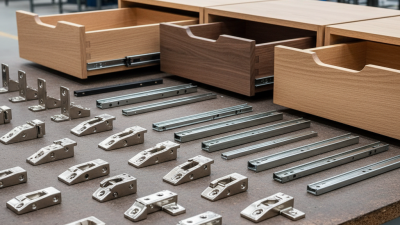
When choosing soft-close hinges, start with the cabinet, not the closing mechanism. Check whether the door is full-overlay, half-overlay, or inset, then match the hinge to the cabinet’s frame and door thickness. A 35 mm cup is common, but it is not universal. Measure the existing cup, screw spacing, and door overlay before ordering; a small mismatch can leave a visible gap.
The 2024 Houzz U.S. Kitchen Trends Study reports that 76% of homeowners upgrading cabinets added specialty storage. Pull-outs and interior organizers can affect door clearance, so check that the hinge opens freely beside nearby drawers or appliances. Then compare the door’s size and weight with the hinge maker’s stated capacity. Look for documented cycle and corrosion testing under ANSI/BHMA A156.9, the cabinet-hardware performance standard. A soft-close label alone says little about durability.
Test the closing action on a sample door, if possible. It should slow the door near the end without making it feel sticky. Small detail. Also check whether the damper is adjustable or replaceable; access varies by hinge design. I once treated “soft-close” as a complete specification. It wasn’t. Alignment, screw quality, and careful installation still matter, and even a good hinge may need adjustment after the cabinet settles.