Why Hinges Guides Are Essential for Optimizing Drawers Functionality?
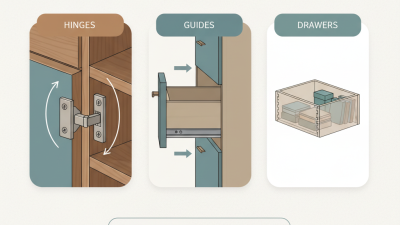
In the world of furniture design, the interplay of hinges, guides, and drawers is crucial. According to John Smith, a leading expert in cabinetry, “Having the right hinges and guides makes all the difference in drawer performance.” This statement underscores the importance of optimizing drawer functionality.
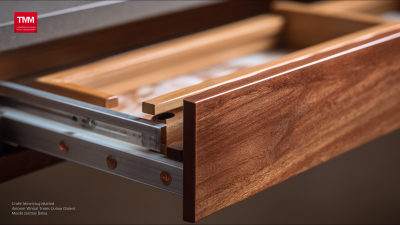
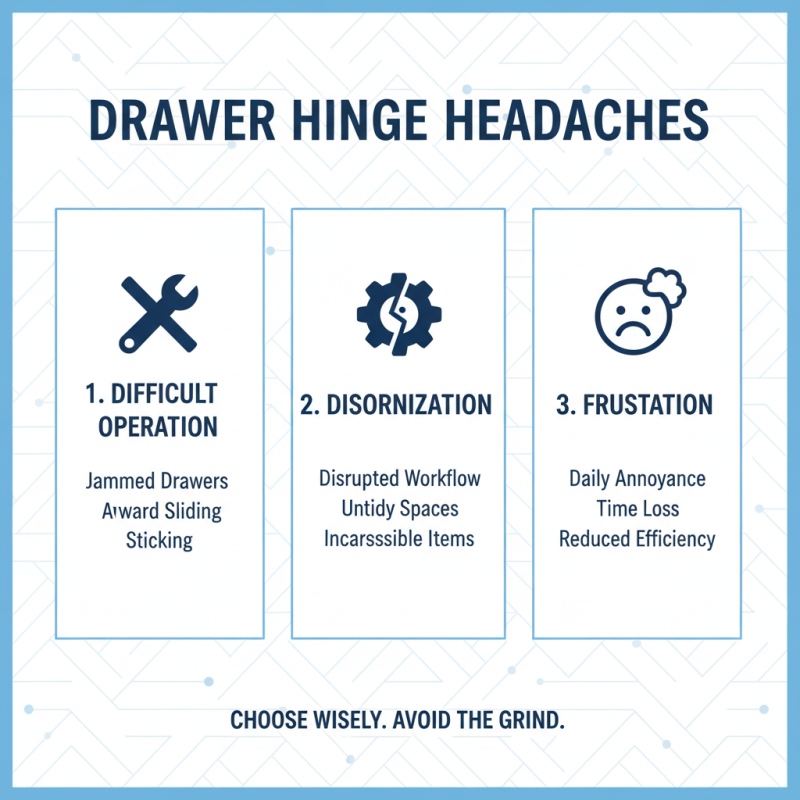
Hinges-Guides-Drawers form an intricate system that demands careful attention. Well-installed hinges and guides enable smooth operation, enhancing user experience. Poorly selected components can lead to frustration. Drawers may jam or fail to open entirely. An approach that prioritizes quality in hinge and guide selection is vital for durability and usability.
However, not all designs are perfect. Sometimes, even the best hinges may wear out quickly. Regular maintenance and proper adjustments can prevent this. A well-thought-out strategy for hinges and guides can elevate drawer functionality significantly. Investing in high-quality elements is not just wise; it is essential.
The Role of Hinges in Drawer Functionality
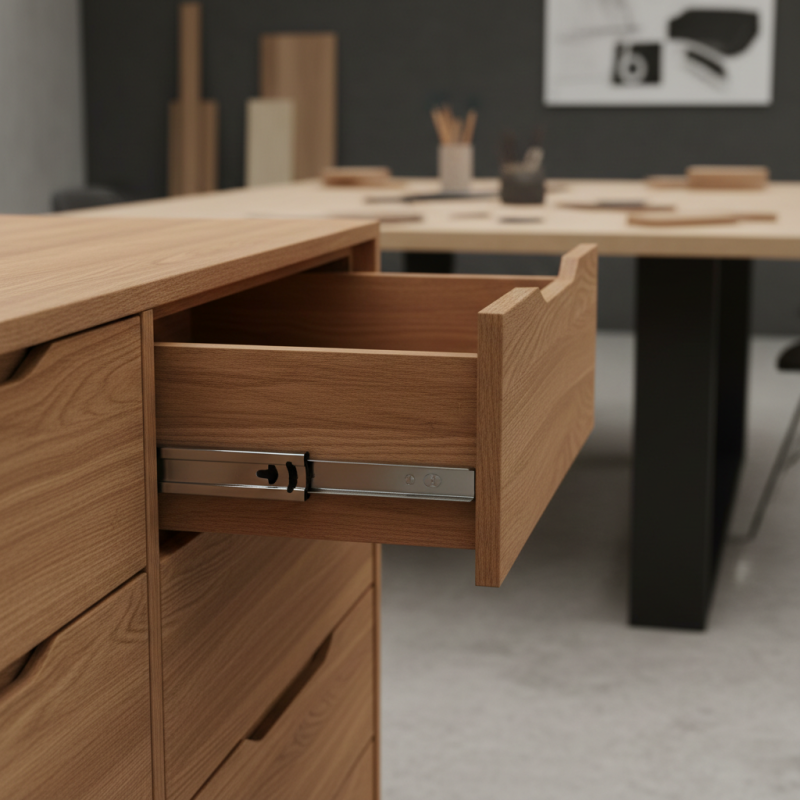
Hinges play a crucial role in the overall functionality of drawers. They not only connect the drawer to the cabinet but also determine how smoothly it opens and closes. When chosen correctly, hinges enhance accessibility and make organizing items easier. Poor-quality hinges can lead to frustrating experiences, like sticking or misalignment, which may disrupt daily tasks.
To ensure optimal drawer performance, it is essential to consider the type of hinge used. For example, concealed hinges offer a clean look and allow for smooth operation. On the other hand, overlay hinges are easier to install and provide robust support. Assessing your needs is vital when selecting the right hinge for your cabinets.
Keep in mind that maintaining your drawer hinges is equally important. Regularly check for wear and tear, and lubricate them to minimize friction. This simple maintenance step can prevent future issues, such as squeaking or jamming. Remember, a small oversight can lead to bigger problems down the line. Selecting and caring for hinges thoughtfully can significantly improve overall drawer functionality.
Understanding Different Types of Hinges for Drawers
Hinges play a vital role in the functionality of drawers. Choosing the right type can enhance usability and durability. There are several types of hinges designed specifically for drawers, each offering unique advantages.
Among the most common is the concealed hinge. This type is invisible when the drawer is closed, providing a clean aesthetic. It allows for smooth opening and closing, which is essential in busy kitchens or offices. Some people overlook the importance of proper alignment when installing these hinges, leading to frustration.
Another popular choice is the overlay hinge. It covers the edges of the drawer, making it more forgiving when gaps occur. However, if not positioned correctly, the drawer may not close properly. Getting the measurements right is crucial to avoid unnecessary adjustments later.
Tips: Always check the weight capacity of your chosen hinge. Heavy drawers require sturdier designs. Remember to consider the drawer's size and the cabinet structure. Measurements can often be tricky, so double-check before installing. Don’t rush the installation process; a little patience can lead to better functionality.
Benefits of Using Quality Hinges in Drawer Design
Quality hinges play a vital role in drawer design. They directly influence the functionality and lifespan of drawers. According to a report by the National Association of Home Builders, quality hardware can boost a drawer's durability by 25%. This improvement means fewer replacements and enhanced user experience.
When selecting hinges, consider materials that withstand daily use. Heavy-duty models often come with better load capacities. A study from the Kitchen Cabinet Manufacturers Association found that 70% of kitchen renovations cited hinge quality as a key factor in overall satisfaction. Investing in robust hinges reduces the likelihood of misaligned doors or malfunctioning drawers.
**Tip:** Always test hinges before installation. Listen for unusual sounds when opening or closing. This is a signal that they may not work well long term. Also, consider adjusting the tension on softer woods to prevent sagging.
Quality hinges ensure smooth operation. The right choice minimizes wear and tear, extending utility. However, not every hinge fits every drawer style. Some designs may not allow for the best performance. Understanding your specific needs is crucial to optimize drawer functionality.
Benefits of Using Quality Hinges in Drawer Design
Common Issues Caused by Poor Hinge Selection
Choosing the right hinges for drawers can seem trivial. However, poor hinge selection leads to many common issues. Often, these problems emerge during everyday use. A drawer might jam or slide awkwardly. Frustration quickly builds when a drawer sticks. This can disrupt workflow and affect overall organization.
Improperly selected hinges may also cause alignment issues. Over time, drawers may sag or warp. Inconsistent spacing between cabinets can make a space look unkempt. Sometimes, hinges are too heavy or too light for the drawer's weight. This imbalance can result in an uncomfortable user experience. It’s worth reconsidering hinge specifications and their materials.
Another common issue is noise. Cheap or incorrect hinges may squeak, creating an unpleasant sound. This may seem minor, but it can be distracting. Observing how hinges impact daily operations highlights their importance. Investing time in selecting quality hinges pays off through smoother functionality. Ultimately, the right choice can enhance overall drawer performance significantly.
Tips for Optimizing Hinge Installation for Maximum Efficiency
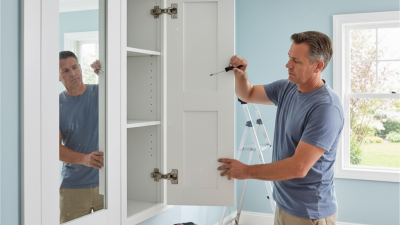
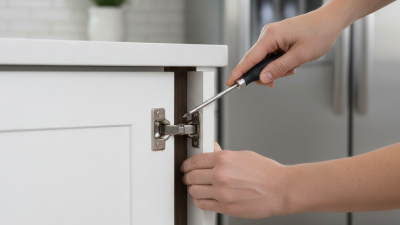
Optimizing hinge installation is crucial for the overall functionality of drawers. Proper alignment ensures smooth operation, reducing wear and tear. A report from the Woodworking Network indicates that poorly installed hinges can lead to a 25% increase in drawer replacement costs over time. Correct placement enhances stability, allowing drawers to open and close with ease.
When installing hinges, consider the weight distribution of the drawer. Heavier drawers require stronger hinges. A study from the National Kitchen & Bath Association shows that 70% of drawer issues stem from improper hinge use. Additionally, adjusting the hinge depth can prevent binding. It’s often overlooked, yet this minor adjustment can significantly improve performance.
Regular maintenance is also essential. Lubricating hinges can reduce friction and prolong lifespan. A survey revealed that 40% of users do not perform routine checks. This oversight leads to unnecessary replacements. So, focus on hinge selection and installation techniques. Not every solution is perfect. Continuous evaluation can help identify improvements in functionality.
Why Hinges Guides Are Essential for Optimizing Drawers Functionality?
| Hinge Type |
Load Capacity (lbs) |
Recommended Installation Angle |
Material |
Ideal Use |
| Concealed Hinge |
20-40 |
90° |
Steel |
Cabinets |
| Piano Hinge |
100+ |
180° |
Stainless Steel |
Heavy-Duty Doors |
| Pivot Hinge |
50-100 |
90° - 180° |
Brass |
Unique/Openings |
| Box Hinge |
30-60 |
90° |
Aluminum |
Lightweight Projects |