How to Choose the Best Cabinet Door Hardware Hinges?
Choosing the best cabinet door hardware hinges is crucial for functional and aesthetic purposes. According to a recent report by the National Kitchen and Bath Association, 75% of homeowners consider hardware quality as essential in kitchen renovations. Proper hinges influence door alignment, durability, and ease of use. Quality hinges can elevate overall cabinetry, yet many overlook this vital component.
A variety of options exists in the market, making selection overwhelming. From concealed to soft-close hinges, each type serves different needs. Research indicates that nearly 60% of consumers express dissatisfaction due to improper hinge choices, leading to misaligned doors and frequent repairs. Therefore, understanding hinge specifications and matching them with your cabinetry style is integral to the decision-making process.
Hinge choice also correlates with the type of materials used in cabinets. Solid wood, MDF, or laminate all require specific hinge considerations. This interplay between material and hardware highlights the necessity for informed decisions. Reflecting on your requirements can lead to better outcomes in the long run, ensuring functionality without compromising design.
Understanding the Different Types of Cabinet Door Hinges
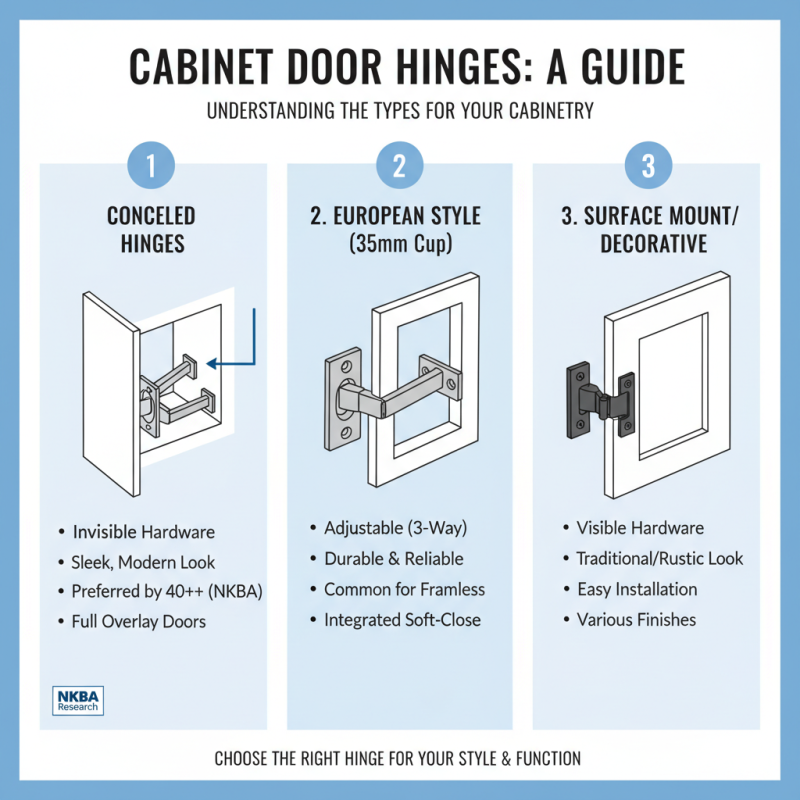
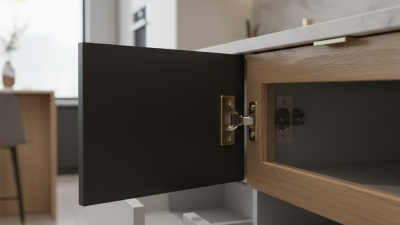
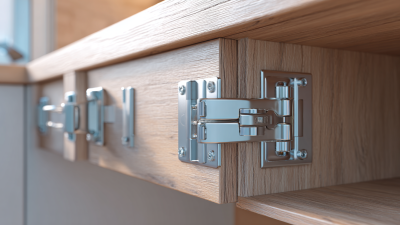
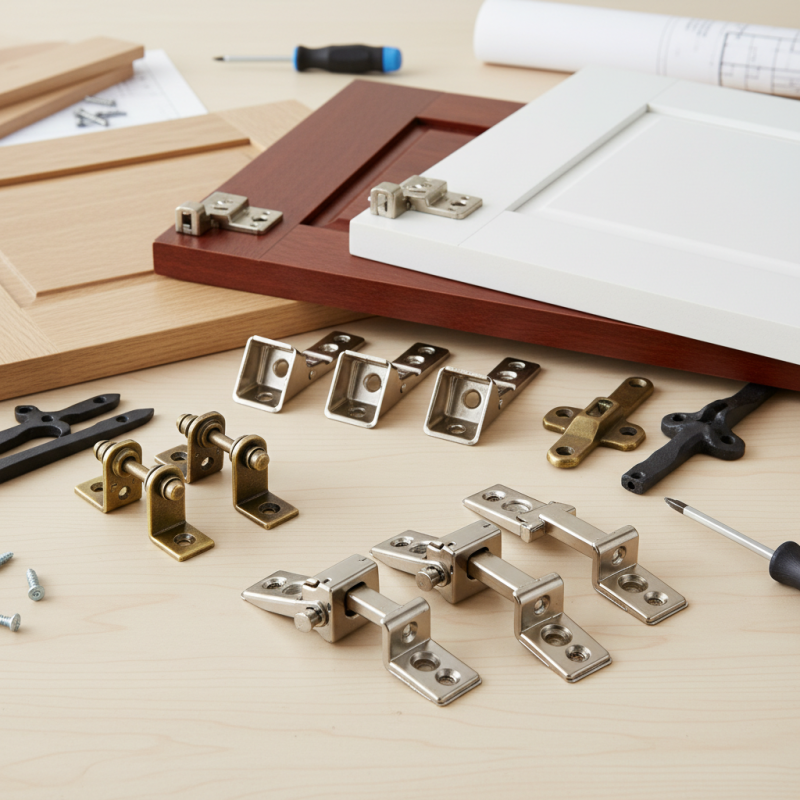
When selecting cabinet door hinges, understanding the different types is crucial. Hinges come in various styles, each serving unique purposes. For instance, concealed hinges offer a clean look by hiding the hardware within the cabinet. Research from the National Kitchen & Bath Association (NKBA) indicates that over 40% of consumers prefer this style for modern cabinetry.
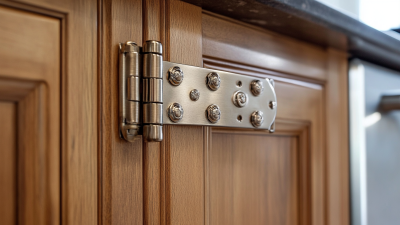
Another popular option is the traditional exposed hinge. These hinges can add character to vintage or rustic designs. They are visible when the door is closed, showcasing their finish and detail. However, exposed hinges may require more maintenance due to potential wear over time.
The choice of hinge can affect cabinet functionality significantly. Soft-close hinges have gained popularity, minimizing noise and preventing slamming. Reports show that soft-close features have increased sales in the hardware market by 20% over the past five years. Choosing the right hinge style involves not just aesthetics but also practical considerations that can enhance user experience and longevity of cabinetry.
Evaluating the Material Options for Durable Cabinet Hinges
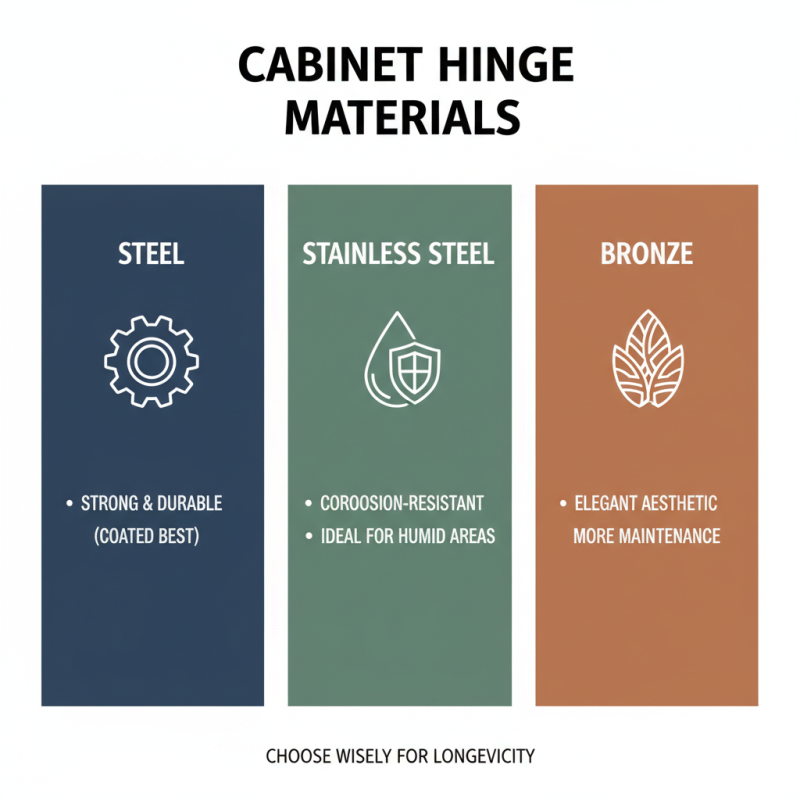
Choosing the right material for cabinet door hinges is crucial. Various options are available, each with its pros and cons. Steel is commonly used for its strength and durability. However, it may rust if not properly coated. Stainless steel offers a corrosion-resistant alternative, ideal for humid areas like kitchens. Bronze is another option that adds a touch of elegance but may require more maintenance.
Wood hinges provide a unique aesthetic but are less durable. They can warp over time, affecting function. Plastic hinges are lightweight and resistant to moisture. Yet, they may not withstand heavy usage. Evaluating the right material involves weighing these factors against your specific needs.
It’s essential to consider where the hinges will be used. For high-traffic areas, select durable materials. If aesthetics are a priority, match the hinge to your cabinet style. Balancing durability and design can be challenging. Reflect on your home environment and maintenance preferences. Each material has its inherent flaws. Assessing these carefully leads to more informed choices.
Assessing Weight and Size Considerations for Cabinet Door Hinges
When selecting cabinet door hinges, weight and size are crucial. A hinge must support the cabinet door's weight without bending or breaking. If a door is heavy, opt for sturdier hinges. A lightweight door can use simpler options. Think about the construction of the door as well. Solid wood doors are heavier than particleboard. The type of material directly impacts which hinges are suitable.
Size matters too. A hinge that is too small can weaken the structure. Large doors may require multiple hinges for balance. Standard cabinet doors usually need 3 to 4 inches hinges. Measure your door accurately to find the right fit. Low-quality hinges may lead to issues over time, such as misalignment.
Aesthetic considerations also come into play. Choose hinges that match the door style. Some homeowners overlook this aspect, focusing solely on functionality. This choice can impact the overall design. Reflect on how weight and size affect both durability and appearance. Finding the right balance is key to a successful installation.
Matching Cabinet Door Hinges with Your Overall Kitchen Design
Choosing the right cabinet door hinges can impact your kitchen's overall aesthetic. Think about your kitchen's style. Is it modern, rustic, or traditional? The hinges you select should reflect that style. For a modern kitchen, sleek and minimalistic hinges work well. In contrast, vintage-style hinges can enhance a traditional design. Small details matter. A mismatch in design could make even the best renovations feel off.
Consider the finish of the hinges too. Brushed nickel may complement stainless steel appliances. Meanwhile, oil-rubbed bronze could add warmth to a wooden cabinet. Pay attention to these details. They ensure cohesion in your design. It’s also important to test the functionality of the hinges. No one wants a kitchen where doors don’t open smoothly. This is a common oversight that can lead to frustration.
Think about the scale of your cabinet doors. Larger doors may require sturdier, heavier hinges. This might necessitate a more robust style. It’s crucial to balance aesthetics with practical considerations. After all, great hinges should be both beautiful and functional. Reflecting on these choices is essential. Your kitchen deserves careful thought in every detail.
Installation and Maintenance Tips for Cabinet Door Hinges
When it comes to installing cabinet door hinges, proper alignment is crucial. Start by ensuring that the door frames are level. Measure the distance between the cabinet and the door edge. Use a square to check the angles. If the hinges are misaligned, they can create gaps or make the doors difficult to close. A little adjustment in these initial steps can save time later.
Regular maintenance is key to prolonging the life of your cabinet hinges. Clean them with a damp cloth to remove dust and grease. If they start to squeak, apply a few drops of lubricant. However, apply sparingly—too much can cause buildup. Keep an eye on any rust or corrosion. A rusty hinge may require replacement. Check screws periodically. Loose screws can result in unwanted wobbling. They may need tightening or even replacement.
Over time, it’s easy to overlook wear and tear. Make it a habit to inspect your hinges every few months. If you notice issues early, you can avoid bigger problems down the road. Remember, taking care of even the smallest parts can make a significant difference in the overall functionality of your cabinets.
Cabinet Door Hardware Hinges Selection Insights