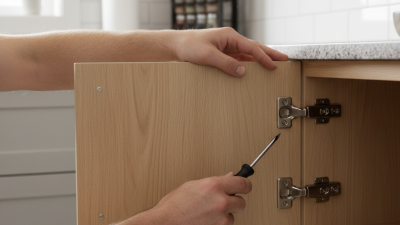
What is the Best Way to Adjust Cabinet Hinges?
When you notice your cabinet doors are not aligned, it can be frustrating. Knowing how to adjust cabinet hinges is crucial for maintaining functionality and aesthetics. Cabinet hinges may loosen over time or become misaligned due to regular use. This often leads to doors that either sag or don't close properly.
Adjusting cabinet hinges requires some basic tools and patience. Each hinge may need a unique adjustment based on its style and condition. The process involves screws, which can be sensitive. Over-tightening can damage the cabinet or hinge. Understanding the specific hinge type is essential for effective adjustment.
Experience in cabinetry work can enhance the outcome, yet everyone makes mistakes. It's easy to overlook a simple adjustment. Sometimes, hinges become worn and unfixable. Recognizing when to replace them is part of maintaining your cabinets. When you take the time to adjust cabinet hinges properly, your cabinets will function as intended.
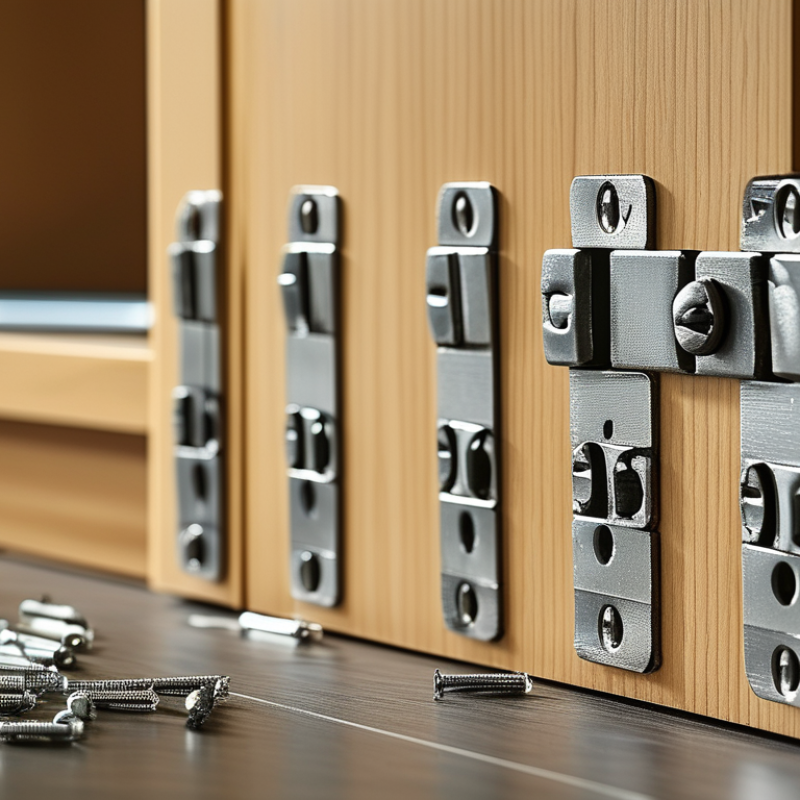
Understanding Cabinet Hinges and Their Functionality
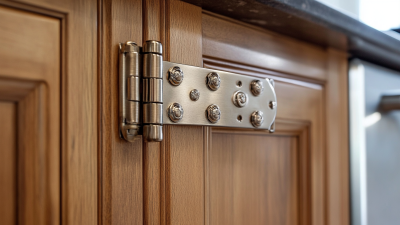
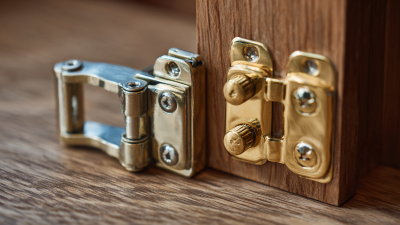
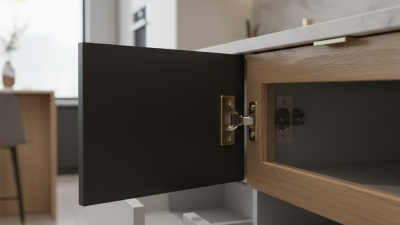
Cabinet hinges play a crucial role in how your cabinets function. They allow doors to open and close smoothly. Understanding these hinges can make adjustments much easier. There are various types, including concealed, overlay, and inset hinges. Each serves a specific design and function, affecting how your cabinets look and operate.
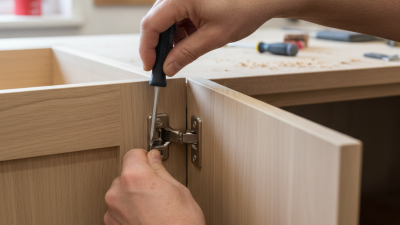
When adjusting cabinet hinges, remember to use the right tools. A screwdriver is essential for most hinges, but you might need a level for accurate placement. Regularly check the screws. They can loosen over time and cause misalignment. Tightening them can solve many issues.
One common problem is sagging doors. If your cabinet door is uneven, adjust the hinge mounting plate. Ensure the door is level before tightening. Take time to inspect all hinges periodically. Even minor adjustments can lead to big improvements in operation and aesthetics. Each adjustment made is a step towards a better-functioning cabinet.
Identifying Common Issues with Cabinet Doors
Cabinet doors can have several issues, impacting their functionality and aesthetic. Common problems include misalignment, sagging, and gaps when closed. According to a study by the National Kitchen and Bath Association, about 40% of homeowners report dealing with cabinet door issues within five years of installation. Understanding these common issues helps in addressing them effectively.
Misalignment often occurs due to loose hinges. When hinges are not tight, they can shift, causing doors to hang incorrectly. This misalignment may lead to gaps or an inability to close properly. Regularly checking and tightening screws can prevent this. Additionally, a door sagging over time may be attributed to the weight of the door or worn-out hinges. Identifying when a hinge is no longer functioning can save time and frustration.
Gaps between the cabinet doors can also be a concern. These gaps affect the overall look of the cabinetry. Research indicates that maintaining a proper hinge adjustment can reduce this problem by up to 30%. Homeowners should inspect their cabinets at least once a year to ensure hinges are secure and functional. Recognizing early signs of wear allows for timely adjustments and prolongs the life of the cabinetry.
What is the Best Way to Adjust Cabinet Hinges? - Identifying Common Issues with Cabinet Doors
| Issue |
Description |
Adjustment Method |
Tools Needed |
| Door Misalignment |
Cabinet doors don't align properly, creating gaps or uneven closure. |
Loosen the hinge screws, adjust the door position, and tighten screws. |
Screwdriver |
| Door Lagging |
Door does not close easily and may lag or stick. |
Adjust the hinge position downward or check for obstructions. |
Screwdriver, Level |
| Door Swing Issues |
Doors swing open too wide or do not swing fully. |
Adjust hinge screws to control the swing angle. |
Screwdriver |
| Noisy Hinges |
Hinges make squeaking or grinding noises. |
Lubricate hinges with oil or silicone spray. |
Lubricant, Cloth |
| Hinge Damage |
Hinges are bent or broken, leading to instability. |
Replace damaged hinges with new ones. |
Screwdriver, New Hinges |
Tools Required for Adjusting Cabinet Hinges
Adjusting cabinet hinges can seem daunting, but having the right tools is crucial for an effective process. A simple screwdriver is often the primary tool needed for most hinge adjustments. A flathead or Phillips screwdriver will help you tighten or loosen screws to reposition the hinges. According to the National Kitchen and Bath Association, about 70% of homeowners experience issues with cabinet alignment. This can often be resolved easily with basic tools.
In addition to a screwdriver, having a level ensures cabinets hang evenly. A tape measure is also essential for precise adjustments, especially if you need to realign doors. Many experts suggest using a clamp for stabilizing the cabinet door while you make adjustments. This technique helps maintain alignment and decreases mistakes. The average homeowner typically underestimates the importance of these tools in making effective modifications.
Some challenges arise in the adjustment process. Often, hinges can be worn out or misaligned over time, complicating the task. The American Woodworking Institute highlights that nearly 40% of all cabinet issues stem from improperly adjusted hinges. These factors can lead to frustration. Regular inspections of your cabinets can prevent misalignment. If adjustments fail, seeking professional help may ultimately save time and effort.
Step-by-Step Guide to Adjusting Cabinet Hinges
Adjusting cabinet hinges might seem simple, but it requires attention to detail. Accurate alignment is crucial for the overall function and appearance of cabinets. According to a report by the National Kitchen and Bath Association, improperly aligned cabinets can lead to frustration and frequent repairs, resulting in increased costs.
Begin by examining the hinges closely. Check for any signs of wear or damage. If needed, replace them to ensure optimal performance. Loosen the screws slightly, but do not remove them. This gives you room to adjust. For ensuring a perfect fit, shift the cabinet door up or down, side to side, until it aligns correctly with adjacent doors or the cabinet frame. This process is essential, as 80% of cabinet installation issues stem from misalignment.
Using a level can enhance your adjustment process. A small level will confirm if the cabinet doors are plumb. It’s a common oversight to skip this step, but it greatly impacts the finished look. After adjusting, tighten the screws securely. Inspect the doors to ensure they do not rub against one another. This demanding process requires patience and precision, as small adjustments can greatly affect the cabinet's functionality.
Tips for Maintaining and Troubleshooting Cabinet Hinges
Maintaining cabinet hinges is vital for smooth operation and longevity. Regularly check for friction. If doors stick, the hinges might be misaligned. A simple adjustment could solve this. Loosen the hinge screws slightly. Gently reposition the cabinet door. Tighten the screws afterward for a perfect fit.
Keep hinges clean and lubricated. Dust and grime can cause wear. Use a soft cloth and a mild cleaner to wipe them down. For lubrication, consider using silicone spray. Avoid over-lubricating, as it can attract dirt. A drop of oil may also help; just don’t let it drip.
Listen for unusual noises. A squeak often signals a need for maintenance. Feel free to adjust or replace the hinges if they seem worn. Don’t ignore gaps between the cabinet and door. It might indicate a need for attention. A small adjustment may improve functionality greatly. Experiment with different settings to find what works best.
Cabinet Hinges Adjustment Methods