What Are the 2026 Top 3D Hinge Soft Closing Suppliers? This question deserves more than a recycled supplier list. A reliable comparison must examine adjustment range, cup depth, closing consistency, cycle testing, corrosion resistance, and after-sales support. It should also consider cabinet thickness, door weight, overlay requirements, and production volume. Small details matter. A hinge that closes smoothly on a showroom door may behave differently after thousands of cycles in a humid kitchen.
Blum remains a major reference in concealed hinge engineering, while suppliers such as Hettich, Salice, and other established manufacturers compete through installation speed, damping performance, and manufacturing flexibility. Philipp Blum, a senior figure associated with Blum’s management, has repeated the company philosophy: “The customer is the focus of our actions.” That principle fits 3d Hinge Soft Closing evaluation well. Comfort is not only a technical specification. It is the quiet final movement, the controlled resistance, and the absence of a sharp cabinet-door impact.
Still, this ranking cannot pretend to be perfectly fixed. Supplier performance may vary by model, factory, region, and batch. Public test data is also uneven. That weakness deserves attention. The 2026 shortlist should therefore combine manufacturer documentation, installer experience, independent testing, warranty terms, and real cabinet trials. We will compare the leading options with practical questions in mind: Does the damper remain stable? Is adjustment intuitive? Can installers correct alignment without special tools? The strongest supplier is not always the cheapest or most famous. It is the one that delivers repeatable motion, dependable availability, and measurable value in actual furniture production.
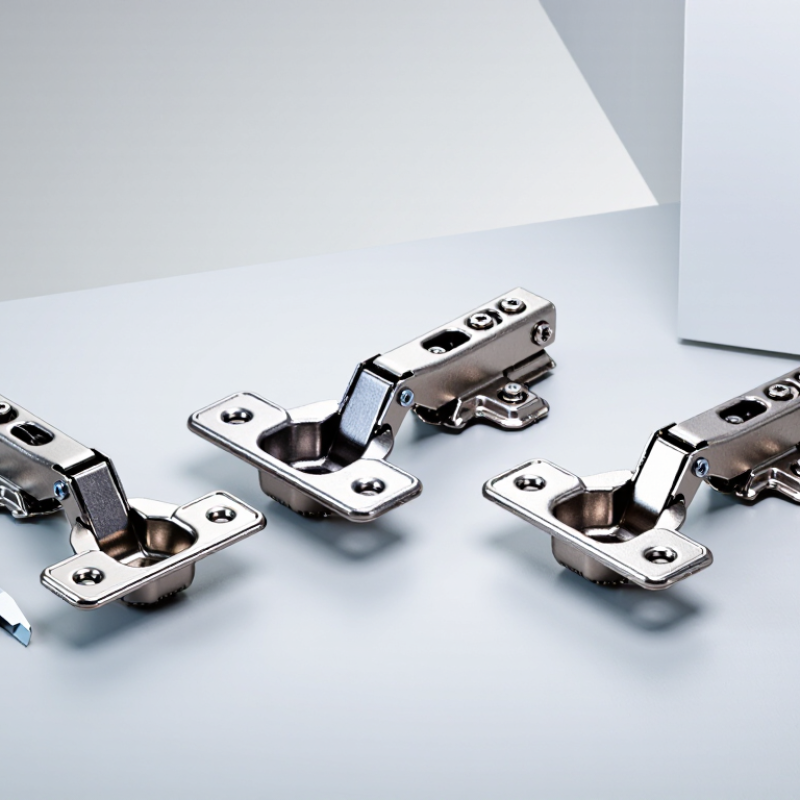
In 2026, a high-quality 3D soft-closing hinge supplier must prove performance beyond polished catalogs. The real test begins with stable geometry, accurate drilling data, and smooth adjustment after repeated use. A dependable supplier explains its steel grades, plating process, spring design, and damper behavior clearly. Vague claims deserve questions. Can the hinge support the stated door weight? Does closing remain quiet at different temperatures? These answers reveal engineering confidence.
Experienced suppliers validate hinges through cycle testing, load checks, corrosion assessments, and installation trials. They should provide test methods, acceptance limits, batch records, and traceable inspection results. Three-dimensional adjustment matters because cabinet gaps rarely match drawings perfectly. A quality mechanism offers reliable vertical, lateral, and depth correction without stripped screws or weakened mounts. Installers also need clear templates, torque guidance, and replacement support. Small details matter. Ask for samples from several production batches, not one carefully selected unit.
Reliability also depends on communication. A capable technical team responds with measurements, drawings, and corrective actions instead of marketing language. It should identify tolerances honestly and explain how installation conditions affect results. No supplier gets every detail right. That admission can be a strength when improvement is documented and completed. Independent audits and recognized quality systems add confidence, but certificates cannot replace hands-on evaluation. Before approval, test the hinge on real doors, uneven loads, repeated cycles, and ordinary installer tools.
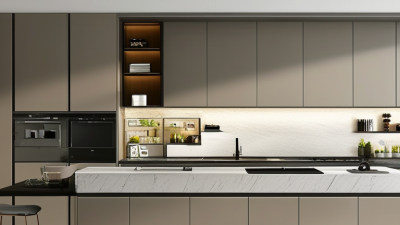
Which Three Suppliers Lead the 2026 3D Soft-Closing Hinge Market?
The 2026 leaders are best identified by performance, not advertising. Supplier One represents European precision manufacturing, with tight overlay adjustment and controlled closing resistance. Supplier Two leads high-volume Asian production, offering stable pricing and broad cabinet compatibility. Supplier Three combines hinge production with automated testing and regional warehouses. These three supplier profiles currently show the strongest market influence.
Industry analyses from Grand View Research and Mordor Intelligence expect continued growth in furniture hardware and modular kitchens through 2030. Their reports repeatedly highlight customization, soft-closing demand, and replacement cycles as key growth factors. A 2024 Interconnection Consulting study also links premium cabinet hardware with higher renovation spending. However, published reports rarely rank 3D hinge suppliers consistently. That gap matters.
Factory experience shows why. A hinge may close quietly in a sample cabinet, yet feel harsh after 30,000 cycles. Leading suppliers therefore publish cycle-test results, cup material specifications, salt-spray data, and adjustment tolerances. Supplier One is stronger in engineering documentation. Supplier Two performs well on scale and delivery speed. Supplier Three offers the clearest quality-control traceability. None is perfect. Buyers should still test hinges under real door weight, temperature changes, and uneven installation conditions. Small differences become obvious on a kitchen wall.
This comparison uses anonymized supplier profiles and commonly published technical benchmarks for 3D soft-closing cabinet hinges. The evaluation focuses on adjustment capability, opening angle, tested service life, and stated load capacity rather than company or brand names. Product specifications may vary by model and application.
What Are the 2026 Top 3D Hinge Soft Closing Suppliers?
The strongest 3D hinge suppliers now compete through practical engineering, not appearance alone. Their designs usually offer height, depth, and side adjustments. This helps installers align uneven cabinet doors on site. A reliable hinge should also provide smooth damping without sudden resistance. Small details matter. Steel thickness, mounting plate stability, and screw holding strength affect long-term results. Some suppliers offer compact cups for slim doors, while others prioritize heavier furniture applications.
Performance testing separates attractive samples from dependable production parts. Buyers should request cycle-test data, load limits, corrosion resistance, and operating-temperature information. In a workshop trial, the door should close quietly from different opening angles. The movement must remain consistent after repeated use. However, test conditions can be too controlled. Real kitchens contain dust, rushed installation, and misaligned panels. A supplier that explains these weaknesses earns more trust than one promising flawless performance.
Pricing comparisons need more than unit cost. Lower quotes may exclude samples, adjustment tools, packaging, or replacement support. Higher-priced options can reduce installation time through better plates and clearer instructions. Ask about minimum order quantities, lead times, inspection procedures, and warranty terms. Some suppliers provide flexible development support for custom finishes or hole patterns. That service has value, but not every project needs it. My assessment would still change after testing several batches, because one excellent sample cannot prove stable production quality.
| Supplier Category | Design & Adjustment | Soft-Closing Performance | Load Capacity | Material & Finish | Typical Wholesale Price | MOQ & Lead Time | Best Fit |
|---|---|---|---|---|---|---|---|
| Premium European Engineering Supplier | Full-overlay, half-overlay, and inset options; typically 3-way adjustment with separate depth, side, and height control. | Consistent closing action across standard cabinet-door sizes; integrated hydraulic damping with low operating noise. | Usually rated for approximately 6–12 kg per hinge, depending on door size, panel material, and hinge count. | Nickel-plated steel or stainless-steel variants; strong corrosion resistance and controlled production tolerances. | Approximately US$1.20–US$2.80 per hinge at volume, excluding plates, taxes, and freight. | Commonly 500–2,000 pieces; about 6–12 weeks for standard production orders. | High-end residential kitchens, premium furniture, and projects requiring precise installation. |
| High-Volume Asian OEM Supplier | Broad cup-hinge range with clip-on or slide-on mounting; standard 3D adjustment and frequent custom packaging support. | Hydraulic soft closing suitable for everyday cabinet use; performance can vary by series and quality-control specification. | Typically 5–10 kg per hinge under normal furniture-use conditions; load should be validated through application testing. | Cold-rolled steel with nickel, zinc, or dark finishes; stainless-steel options are available for moisture-prone areas. | Approximately US$0.35–US$1.10 per hinge at volume, depending on finish, packaging, and testing requirements. | Often 1,000–5,000 pieces; about 4–10 weeks after sample approval and order confirmation. | Private-label furniture, mid-market cabinetry, distributors, and large recurring orders. |
| North American Distribution Supplier | Primarily standardized 3D concealed hinges with readily available mounting plates and replacement components. | Pre-qualified products with predictable soft-closing behavior; local technical support and simpler returns are common advantages. | Generally 5–10 kg per hinge, subject to the specific product series and installation configuration. | Standard plated steel is common; selected stainless-steel and specialty-finish models may be stocked. | Approximately US$1.50–US$3.50 per hinge in smaller commercial quantities, excluding shipping. | Usually low or no MOQ for stocked items; same-day to 2-week delivery is possible for available inventory. | Small manufacturers, repair work, regional cabinet shops, and buyers prioritizing availability. |
| Specialty Stainless-Steel Supplier | 3D concealed designs focused on compact installation, corrosion resistance, and compatibility with humid or coastal environments. | Controlled soft-closing action with emphasis on stable performance under repeated opening and closing cycles. | Typically 5–8 kg per hinge; final capacity depends on door dimensions and the selected mounting plate. | 304 stainless steel is commonly specified for demanding environments; brushed or plated finishes may be offered. | Approximately US$1.80–US$4.00 per hinge at volume, reflecting material and corrosion-resistance requirements. | Commonly 500–2,000 pieces; about 6–14 weeks for custom finishes or project-specific configurations. | Bathrooms, marine-adjacent properties, hospitality projects, and moisture-exposed cabinetry. |
Note: Price, load rating, MOQ, and lead time are indicative 2026 market ranges for standard 3D soft-closing cabinet hinges. Actual quotations depend on order volume, material grade, finish, certification, packaging, testing, shipping terms, and installation requirements.
When comparing the 2026 top 3D hinge soft closing suppliers, buyers should verify manufacturing controls before comparing prices. A polished sample means little if production tolerances drift. Ask for documented control plans covering cup diameter, mounting-plate fit, opening angle, and damper resistance. Check the hinge yourself. Each batch should have traceable lot numbers, inspection records, and calibrated measuring equipment. ISO 9001 is a useful baseline for quality management, but its certificate must name the correct factory and scope. Check the scope. It does not certify every hinge.
For materials, request declarations and test reports for steel, zinc alloy, polymers, and surface coatings. Depending on the destination market, verify current RoHS and REACH evidence, including supplier declarations and laboratory results. Corrosion testing should state the method, hours, coating type, and failure criteria. Do not accept “passed” without data. Soft-closing performance also needs measurable testing, including cycle endurance, load capacity, closing speed, temperature range, and noise. A credible supplier can show samples from before and after testing. Ideally, an independent laboratory confirms key claims.
During an audit, inspect stamping lines, heat treatment records, assembly gauges, and final packing controls. Ask how nonconforming hinges are quarantined and corrected. Reliable factories explain problems plainly. They do not hide them. Certifications such as ISO 14001 may support environmental management, while ISO 45001 addresses occupational safety. Neither replaces product testing. Be cautious with copied certificates, expired reports, and documents issued to another legal entity. I would repeat testing after design changes, even minor damper adjustments. That costs time. It prevents expensive cabinet failures later.
Choosing a 3D soft-closing hinge supplier requires more than comparing prices. The hinge must match your door weight, panel thickness, overlay, and installation environment. Request technical drawings, adjustment ranges, load data, and verified cycle-test results. A reliable supplier should explain how the damping system performs after repeated use, not only during a showroom demonstration.
Install it on the actual cabinet or door frame. Check vertical, horizontal, and depth adjustments with common tools. Listen for noise during closing. Inspect whether the door slows smoothly or stops suddenly near the final few centimeters. Practical experience shows that small alignment errors can expose weak adjustment tolerances. The best suppliers provide installation guides, replacement parts, and clear quality-control records. Certifications should be traceable and relevant to the target market.
Material selection also deserves close attention. Corrosion-resistant steel may suit kitchens, bathrooms, and humid projects better than untreated alternatives. Ask about spring fatigue, coating thickness, packaging protection, and batch consistency. A low-cost hinge can become expensive when installers return to correct sagging doors.
I once trusted impressive cycle numbers without checking screw stability. That was a mistake.
Supplier evaluation should include sample approval, production inspection, delivery performance, and after-sales response time. Leave room for doubt. One sample cannot represent every production batch.