2026 How to Choose Soft Close Cabinet Hinges for Your Needs?
Selecting the right Soft Close Cabinet Hinges is crucial for any cabinetry project. Expert designer, Sarah Johnson, emphasizes, "The right hinge can make or break your kitchen experience." Soft close cabinet hinges offer a blend of functionality and aesthetics. They ensure doors close gently, enhancing your space's elegance.
Understanding your needs is vital. Not all hinges are the same, and choices can overwhelm you. Factors like weight capacity, material, and installation type should be considered. Soft close cabinet hinges vary in design and technology, impacting their reliability and performance.
It’s important to evaluate your options carefully. Some hinges may seem ideal at first glance but may lack durability. Others could promise quiet operation but may fail under heavy use. Seek advice from experienced professionals and test different options. Your cabinets deserve the best, and careful selection will ensure their lasting quality.
Understanding Soft Close Cabinet Hinges: A Comprehensive Overview
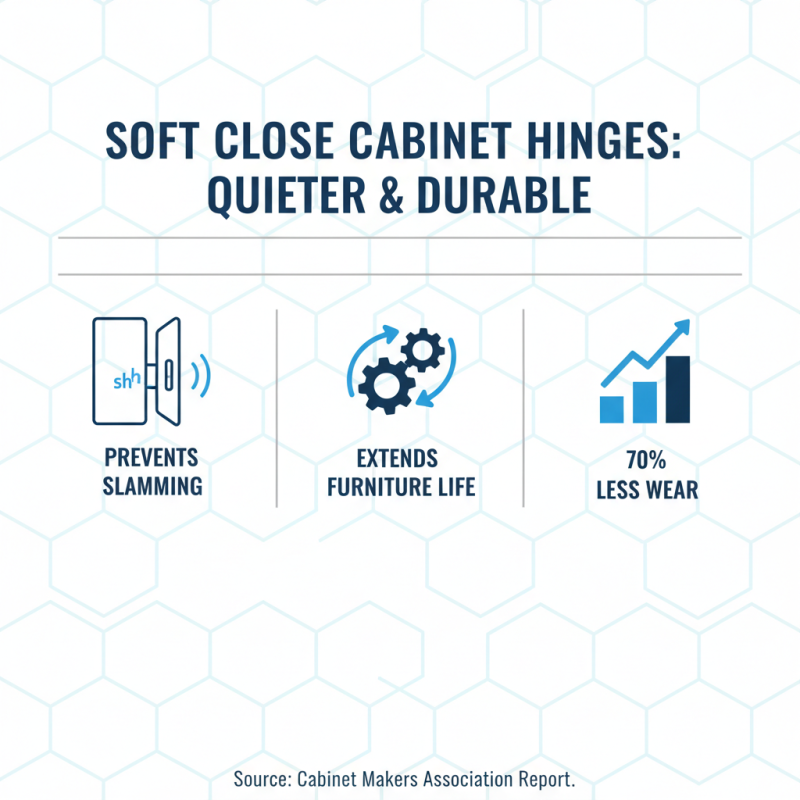
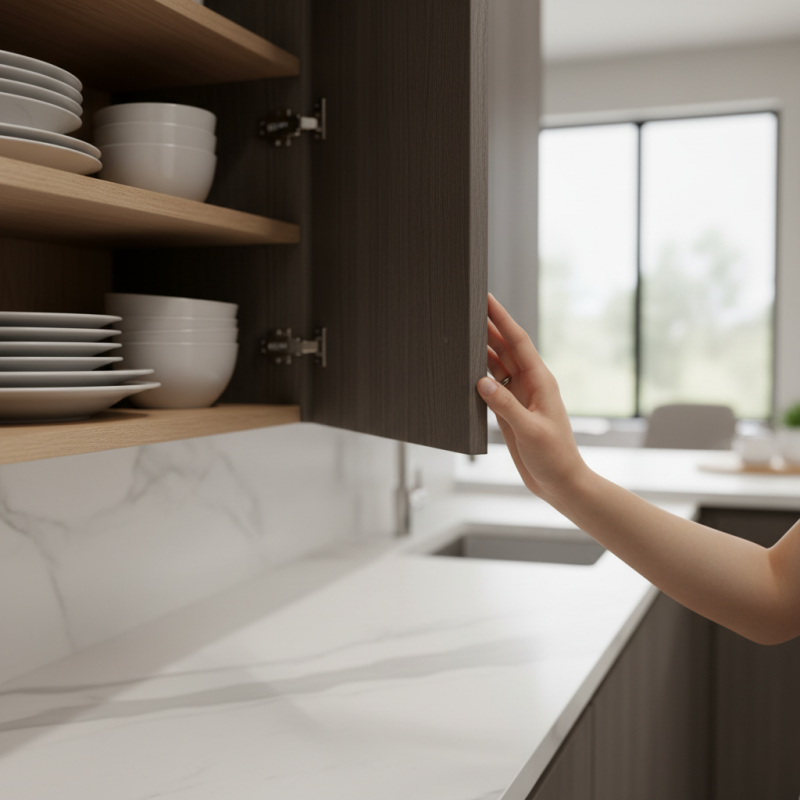
Understanding soft close cabinet hinges is essential for any cabinet project. These hinges prevent doors from slamming shut, ensuring a quieter, more elegant closing action. According to a report by the Cabinet Makers Association, soft close hinges can reduce wear on cabinetry by 70%, significantly extending the lifespan of your furniture.
Choosing the right hinge is crucial. Look for features like adjustable depth and compatibility with different cabinet styles. Many hinges come with a self-closing mechanism. This makes them user-friendly, even for families with children. Consider the weight of the cabinet doors as well; heavier doors may require more robust hinges for longevity.
Tips: Always test the hinge motion before purchase. Smooth action is key. Also, consider the installation process. Some hinges are easier to install than others. If unsure, consult with a professional. Remember to account for your specific cabinet dimensions to avoid mismatches. Make informed choices to enhance functionality and aesthetics.
Types of Soft Close Cabinet Hinges: Which One is Right for You?
When choosing soft close cabinet hinges, understanding the various types available is crucial. There are a few key options. The most common types are full overlay, half overlay, and inset hinges.
Full overlay hinges are designed for cabinets that cover the entire face frame. This type offers a sleek look, perfect for modern kitchens. Half overlay hinges work well for cabinets with a slight gap between doors. Inset hinges sit inside the cabinet frame, providing a classic, flush appearance.
Each type has its own advantages, depending on your cabinets and aesthetic preferences. Full overlay hinges are great for maximizing cabinet space, while inset hinges can enhance a traditional style. Think about the door configuration and how much space you have. In some cases, a less popular style might suit your needs better. Experimenting with different hinges can sometimes lead to unexpected results.
Installation can present challenges, too. It’s essential to ensure proper alignment. Misalignment can cause doors to not close properly. This can be frustrating and may require adjustments. Choose a hinge type that matches your DIY skill level. Sometimes seeking professional help is a wise decision. Not all installations go smoothly, and learning from those experiences is vital for future projects.
Factors to Consider When Choosing Soft Close Cabinet Hinges
When choosing soft close cabinet hinges, several factors are essential to ensure a perfect fit for your needs. The weight of your cabinet doors is critical. Heavier doors require sturdier hinges to function properly. According to industry reports, a standard lightweight hinge can support up to 15 pounds, while reinforced versions can manage over 30 pounds. Understanding these specifications helps prevent future issues like sagging or misalignment.
Material is another significant factor. Most hinges are made from steel or brass. Steel offers strength, while brass provides aesthetic appeal. While both materials have their advantages, brass tends to corrode less over time. Ensure that the chosen material aligns with your kitchen’s overall theme and functionality.
Tips: Always check the soft close feature. Not all hinges have the same dampening mechanism. Some models can be too fast or slow, which may affect everyday use.
Another consideration is the installation type. Overlay, inset, or half-overlay hinges each serve different cabinet styles. Carefully measure your cabinets before purchasing. An improper fit could lead to frustration. Pay attention to the hinge size, as even small variations can affect door function.
Installation Tips for Soft Close Cabinet Hinges: A Step-by-Step Guide
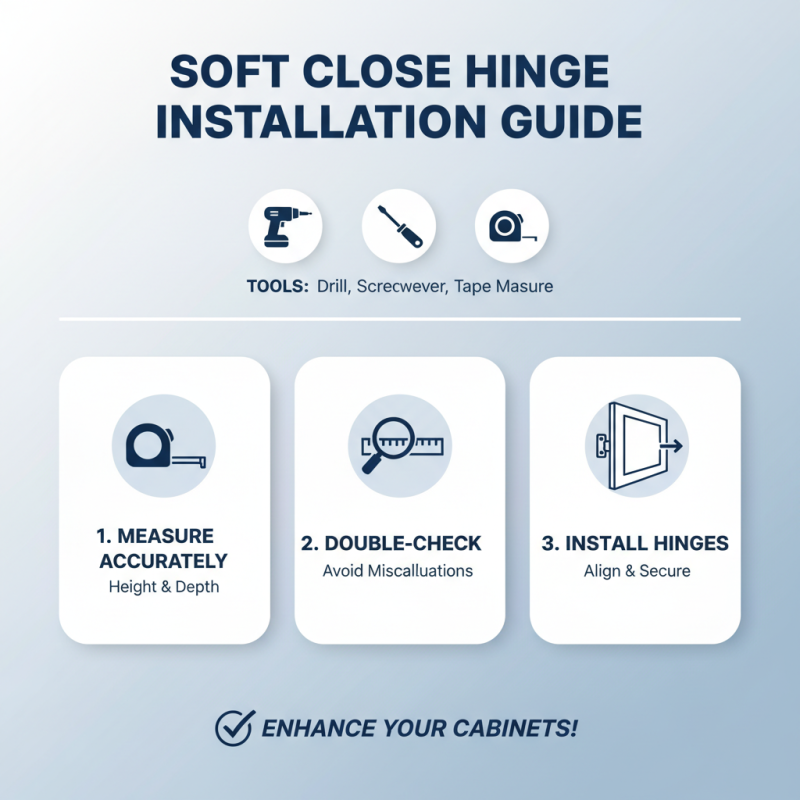
Installing soft close cabinet hinges can elevate your cabinetry game, adding both functionality and style. Start by gathering your tools: a drill, a screwdriver, and a measuring tape. It’s essential to measure the height and depth of your cabinet doors accurately. Miscalculations can lead to improper installation. Take the time to double-check your measurements before proceeding.
Next, mark the hinge positions on the cabinet and door. Using a pencil for precise markings can prevent costly mistakes. Align the hinges correctly, ensuring they’re level. Secure them lightly at first. This allows for any adjustments. Once everything is in place, tighten the screws firmly. It's important to test the hinge movement after installation. Sometimes, simple adjustments can make a significant difference.
Don’t forget, installation may not go perfectly the first time. You might notice uneven gaps or doors that stick. Take a moment to diagnose these issues. Adjusting hinge positions can often resolve any alignment problems. Flexibility in your approach will lead to the best results. With careful attention, you can achieve that soft close feature seamlessly.
Maintenance and Troubleshooting for Soft Close Cabinet Hinges
Soft close cabinet hinges offer great convenience. However, they may require occasional maintenance to function properly. Dust and debris can accumulate, causing hinges to work less effectively. Regularly cleaning the hinges with a damp cloth can prevent buildup. You might also want to check for misalignment, which can affect the closing mechanism.
If the hinges make noise during use, this might indicate a need for lubrication. A silicone-based lubricant can help silence squeaks and ensure smooth operation. Be sure not to over-lubricate; this can lead to a mess and attract more dust. Sometimes, users face issues with doors not closing fully. Adjusting the hinge's screws may resolve this problem.
Remember, it's normal for soft close hinges to require some attention. Regular check-ins can help you catch issues early. If your hinges are sticking, don't ignore it. Addressing these small problems can prolong their lifespan and improve your overall experience. Taking the time to maintain your cabinet hardware will ensure smooth operation for years to come.
2026 How to Choose Soft Close Cabinet Hinges for Your Needs? - Maintenance and Troubleshooting for Soft Close Cabinet Hinges
| Factor |
Description |
Typical Range |
Troubleshooting Tips |
| Mounting Type |
Determine if you need a concealed or exposed hinge. |
Concealed: 85%, Exposed: 15% |
Ensure proper alignment during installation. |
| Weight Capacity |
Assess the weight of the cabinet door. |
Up to 20 lbs to 50 lbs |
Check for sagging doors regularly. |
| Closing Speed |
Soft close features ease the closing process. |
Adjustable speeds available. |
Adjust the closing speed if slamming occurs. |
| Durability |
Consider the material and build quality. |
Steel, zinc alloy, or brass options. |
Inspect for wear and tear periodically. |
| Installation Complexity |
Evaluate ease of installation. |
Varies from simple to complex. |
Follow the manufacturer’s instructions closely. |