Choosing the right Cabinet Door Hardware Hinges affects more than a door’s movement. It influences alignment, noise, durability, and daily comfort. A hinge may be small, but it carries repeated loads every morning and evening.
Industry data supports this practical concern. The 2024 Houzz U.S. Kitchen Trends Study reports that 76% of renovating homeowners replace all kitchen cabinets. New cabinet investment deserves dependable hinge performance. The National Kitchen & Bath Association’s 2024 Kitchen Trends Report also highlights functional storage, streamlined design, and durable materials as continuing priorities. Hinges connect these priorities. They help doors open smoothly, close quietly, and maintain consistent gaps across a cabinet wall.
Small details matter.
In real installations, concealed soft-close hinges are often selected for modern kitchens. Their adjustable plates can correct minor height or depth differences during fitting. This matters when cabinet boxes are not perfectly square, which happens more often than product photographs suggest. Stainless steel, nickel-plated steel, and reinforced mounting plates can also improve resistance to moisture and repeated use. However, material labels alone do not guarantee quality. Load capacity, opening angle, cup depth, screw position, and compatibility must be checked together.
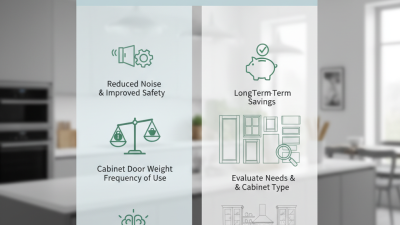
No hinge is perfect. A soft-close model may require careful adjustment, while a budget hinge may loosen sooner under heavy doors. That trade-off deserves honest evaluation. Choosing Cabinet Door Hardware Hinges should therefore begin with door weight, cabinet construction, usage frequency, and installation conditions. Reliable recommendations should combine manufacturer specifications, installer experience, and recognized industry research—not attractive packaging alone.
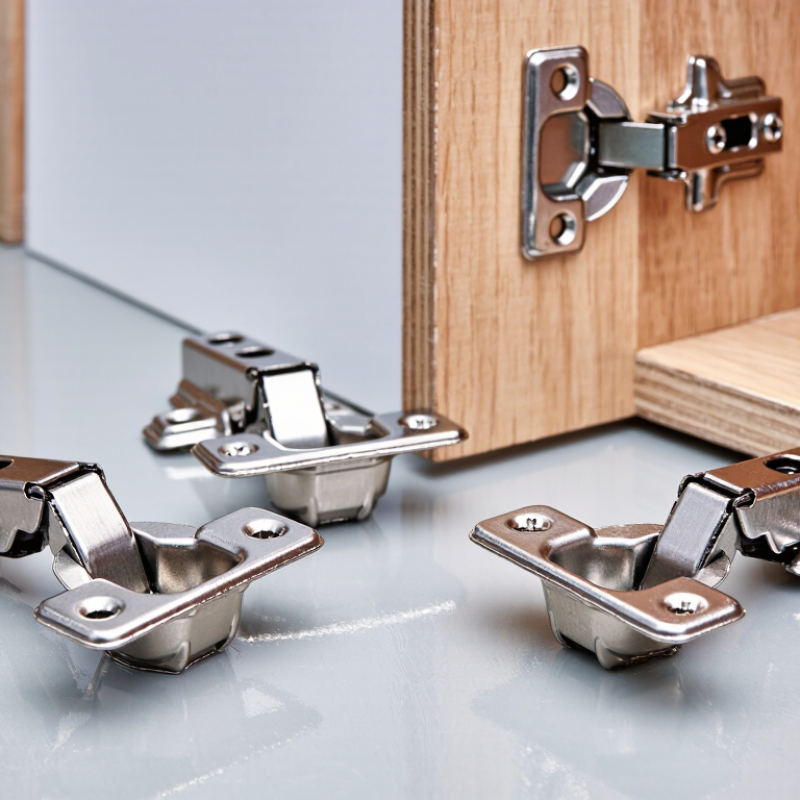
Why Choose Cabinet Door Hardware Hinges?
Cabinet door hardware hinges are mechanical fittings that connect a door to its cabinet frame. They allow smooth opening, controlled closing, and stable alignment during daily use. Most hinges use metal leaves, screws, and a pivoting joint. Some concealed designs also include adjustable arms for fine positioning.
Common types include overlay, inset, and half-overlay hinges. An overlay hinge covers part of the cabinet frame, while an inset hinge sits inside the opening. Soft-closing hinges reduce impact and noise, but they still need correct adjustment. During cabinet installation, I have seen small measurement errors create uneven gaps within weeks. Hinge quality matters, yet precise fitting matters just as much. No hinge choice is perfect for every door.
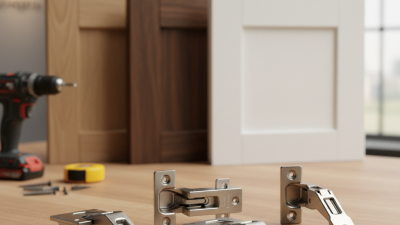
Tips: Measure twice. Check the door thickness, overlay, and screw position before drilling. Hold the hinge against the cabinet first. Confirm that the door opens without touching nearby panels. For kitchens or humid rooms, choose a corrosion-resistant finish and inspect the mounting screws regularly. If the door feels heavy or drops slightly, do not force it. Recheck the hinge alignment and load capacity. A short trial installation can prevent damaged wood and frustrating repairs.
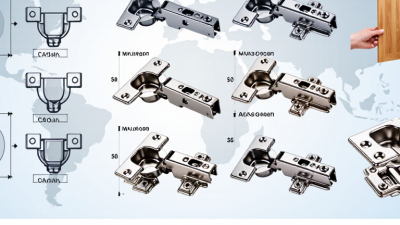
Cabinet door hardware hinges connect the door to the cabinet frame while supporting smooth movement, alignment, and controlled opening. The chart compares typical maximum opening angles for common hinge designs.
Why choose the right hinge? Concealed hinges provide a clean appearance and easy adjustment, while butt, piano, and pivot hinges are often selected when a wider opening range or visible mechanical support is preferred. Actual performance depends on the hinge model, door size, installation, and load rating.
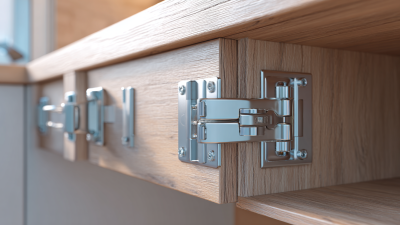
A cabinet hinge is a small mechanical joint that controls a door’s movement. It connects the door to the cabinet frame while supporting repeated opening and closing. Most concealed hinges use a mounting plate, hinge arm, pivot pin, and spring mechanism. The spring helps pull the door shut. Some models also include a soft-close damper that slows the final movement.
Adjustment screws refine the door’s height, depth, and side-to-side position. This matters when narrow gaps must look even. A 1-millimeter error can make two adjacent doors appear misaligned. I have found that installers often focus on the hinge itself and overlook screw tension. That mistake can cause rubbing, sagging, or uneven closing. Patience helps.
The 2024 Houzz U.S. Kitchen Trends Study reported that 76% of renovating homeowners upgraded their cabinets or drawers. That level of renovation makes reliable hinge performance important. The National Kitchen and Bath Association also identifies storage access, durability, and convenient operation as continuing kitchen priorities in its 2024 market research. Hinges support all three, but they are not maintenance-free. Dust, loose screws, and overloaded doors gradually affect alignment. A practical inspection should check the mounting screws, door gap, and closing speed every few months. Small corrections prevent larger repairs.
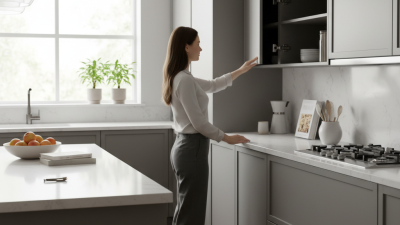
Quality cabinet hinges improve daily use in ways homeowners notice quickly. A door should open smoothly, stay aligned, and close without a sharp slam. Well-made hinges provide stable load support and finer adjustment. This matters when solid wood doors shift slightly with seasonal humidity. In my installation experience, a small adjustment can prevent uneven gaps and rubbing edges. Still, hinge quality cannot correct a weak cabinet box or incorrectly positioned screws.
Durability also protects renovation value. Harvard’s Joint Center for Housing Studies estimated U.S. remodeling expenditures at about $450 billion in 2023. With so much invested in home upgrades, replacing low-grade hinges can create avoidable maintenance costs. Hinges tested against recognized requirements, such as ANSI/BHMA A156.9, offer a more reliable basis for selecting hardware. Features like soft-closing action reduce impact, while corrosion-resistant finishes help in kitchens exposed to steam and grease. The numbers do not tell the whole story. A hinge may meet a standard yet feel disappointing if its capacity is poorly matched to the door.
Tips: Check the door weight, thickness, overlay, and opening angle before ordering. Use all specified screws, and avoid over-tightening them. Test several openings before final adjustment. A quiet hinge is useful. A properly supported door is better. I once treated adjustment as a minor detail; it was not. Small alignment errors became visible after months of use. Quality hardware rewards careful fitting, not rushed installation.
Why Choose Cabinet Door Hardware Hinges?
Which Types of Cabinet Hinges Suit Different Doors?
Choosing cabinet hinges starts with the door’s construction, not its appearance. Face-frame cabinets usually need hinges designed to attach to the front frame. Frameless cabinets often require concealed hinges mounted inside the cabinet box. Full-overlay hinges cover most of the frame, while half-overlay hinges leave part of it visible. Inset hinges fit doors neatly inside the opening, creating a clean, furniture-like look.
Glass doors need hinges with stable, adjustable mounting plates. Heavy solid-wood doors may require stronger hinges with multiple fixing points. For corner cabinets, wide-opening hinges improve access to shelves. Soft-close hinges reduce slamming, but they cannot correct a poorly aligned door. A hinge may look suitable and still feel wrong during daily use. Door weight, thickness, opening angle, and cabinet clearance all matter.
Tips: Measure the door thickness and overlay before ordering hardware. Test one hinge first, especially with inset doors. Keep screws straight and avoid overtightening, which can damage wood fibers. If the door rubs against the frame, adjust the hinge gradually rather than forcing it. Small alignment errors become obvious under bright kitchen lighting. When uncertain, consult a qualified cabinet installer and check the hinge’s load rating.
| Hinge Type | Best-Suited Door or Cabinet | Typical Opening Angle | Main Advantages | Installation Considerations | Recommended Use |
|---|---|---|---|---|---|
| Concealed European Hinge | Modern frameless or face-frame cabinets with overlay, half-overlay, or inset doors | Approximately 100°–120° | Clean appearance, adjustable alignment, and easy removal with compatible mounting plates | Requires a concealed cup boring, commonly 35 mm in diameter; cup depth and setback must match the door | Most contemporary kitchen, bathroom, wardrobe, and storage cabinets |
| Soft-Close Concealed Hinge | Frequently used cabinet doors where quiet closing and reduced impact are desired | Approximately 100°–120° | Slows the door before closing, helping reduce noise, vibration, and door slamming | The damping mechanism adds resistance; very light or very heavy doors may require a compatible hinge specification | Family kitchens, bedrooms, offices, and cabinets in noise-sensitive areas |
| Clip-On Concealed Hinge | Cabinet doors requiring convenient removal during installation, cleaning, or repair | Typically 100°–120° | Door can often be detached from the mounting plate without removing the plate from the cabinet | The hinge arm and mounting plate must be from compatible systems; alignment should be checked after clipping on | Modular cabinetry, maintenance-friendly furniture, and high-use storage units |
| Full-Overlay Hinge | Doors covering nearly the entire front edge of a frameless cabinet or the cabinet frame | Usually 100°–120° | Creates a continuous door-front appearance with minimal visible cabinet frame | Overlay dimension, door spacing, and hinge cup position must be selected for the cabinet construction | Modern kitchens, tall wardrobes, and full-height storage cabinets |
| Half-Overlay Hinge | Two doors sharing a central partition on a face-frame or partitioned cabinet | Usually 100°–120° | Allows adjacent doors to cover part of the same center divider while maintaining functional clearance | The required overlay is smaller than for a full-overlay hinge; door gaps must be planned carefully | Paired doors, split cabinet fronts, and face-frame storage units |
| Inset Hinge | Doors fitted inside the cabinet opening rather than over the cabinet front | Typically 95°–110° | Produces a flush, furniture-style appearance and clearly displays the cabinet frame | Requires accurate door sizing, consistent gaps, and hinge adjustment to prevent rubbing | Custom cabinetry, traditional furniture, and premium built-in storage |
| Face-Frame Hinge | Cabinets with a visible horizontal and vertical frame attached to the cabinet box | Commonly 100°–120° | Mounts to the cabinet frame and can accommodate overlay or inset door layouts | Frame thickness, screw placement, and mounting-plate position must be measured before installation | American-style kitchens, utility cabinets, and framed furniture |
| Pivot or Knife Hinge | Small inset doors, lightweight furniture doors, and selected traditional cabinet designs | Approximately 90°–180°, depending on design | Compact installation and a distinctive traditional or minimalist appearance | Needs accurately aligned pivot points; generally less suitable for very heavy or oversized doors | Small cupboards, display furniture, and selected custom joinery |
| Surface-Mount Butt Hinge | Wooden cabinet doors where visible hardware is acceptable or preferred | Approximately 90°–180° | Simple, durable construction with no concealed cup boring required | Leaves the hinge visible; mortising may be required for a flush fit, depending on the hinge design | Traditional cabinets, workshop furniture, and restoration projects |
| Glass-Door Hinge | Tempered or laminated glass cabinet doors used for display storage | Usually 90°–110° | Designed to grip or clamp glass while reducing the need for conventional wood-door cup boring | Confirm glass thickness, edge clearance, clamp protection, and the door’s weight capacity | Display cabinets, wall units, retail fixtures, and glass-front storage |
| Wide-Angle Hinge | Corner cabinets, pull-out storage, and doors requiring broad access to the cabinet interior | Approximately 150°–170° | Provides substantially wider access than a standard cabinet hinge | Check adjacent doors, walls, handles, and internal fittings for interference throughout the swing | Corner units, wide drawers behind doors, and cabinets needing improved accessibility |
| Heavy-Duty Concealed Hinge | Large, thick, or heavy wooden doors and high-use commercial storage cabinets | Typically 100°–120° | Higher load capacity and stronger mounting support than standard light-duty hinges | Use the manufacturer’s stated load rating, number of hinges, door dimensions, and mounting requirements | Tall pantry doors, commercial cabinetry, and large solid-wood fronts |
Choosing the right cabinet hinge affects alignment, movement, and long-term durability. In my installation experience, I check door weight, overlay, frame style, and opening angle. Concealed hinges suit a clean, modern look. Surface-mounted hinges can add visible character. Soft-close models reduce slamming, but they may be unnecessary for lightly used cabinets. Kitchens and bathrooms also need corrosion-resistant materials. A hinge may look strong, yet loosen when screws are too short.
Measure twice before drilling. Mark the hinge position with a template, then create small pilot holes. These holes help prevent wood splitting. Support the door while attaching it to the cabinet frame. Adjust the screws slowly. A tiny turn can change the door gap noticeably. I once rushed this step and created an uneven cabinet line. It was fixable, but avoidable. I still recheck every door from several angles. After installation, inspect screws regularly and wipe away dust or grease. Use lubricant only when the hinge instructions allow it.
Tips: Choose matching hinge types for consistent movement. Do not force a stiff door. Check whether the cabinet frame is level before adjusting hinges. Replace bent or cracked hardware promptly. Small problems often become noisy, loose doors.