Ultimate Guide to Under Mounted Drawer Slide Tips for Smooth Operation?
Choosing the right hardware is essential for any cabinet or furniture project. One popular choice is the Under Mounted Drawer Slide. According to market research by the Home Improvement Association, over 70% of custom cabinetry now includes this type of slide. The appeal lies in their smooth operation and sleek appearance.
However, installation challenges can arise. A report by the National Kitchen & Bath Association highlights that improper alignment can lead to frustrating performance issues. A staggering 30% of DIYers experience difficulties with this hardware. Understanding both the advantages and the potential pitfalls is crucial.
In this guide, we will explore essential tips to optimize your Under Mounted Drawer Slide experience. Readers will learn about alignment techniques, weight limits, and maintenance practices. This knowledge will ensure your drawers function seamlessly for years to come.
Understanding Under Mounted Drawer Slides: An Overview
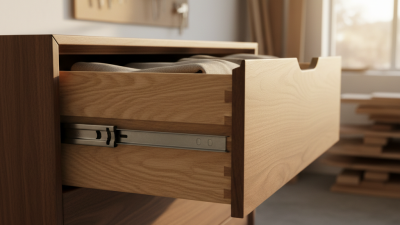
Under mounted drawer slides have gained popularity for their sleek design and smooth operation. These slides are installed beneath the drawer, hidden from view. This aesthetic advantage provides a cleaner look in modern cabinetry. According to a report by the Kitchen Cabinet Manufacturers Association, nearly 25% of homeowners prioritize aesthetics when selecting kitchen features.
When considering under mounted drawer slides, pay attention to installation. Proper alignment is crucial for effective operation. Misalignment can lead to friction, causing drawers to stick or jam. A study from the American Woodworking Institute emphasizes that 90% of drawer problems stem from poor installation.
Tip: Always use a level during installation. This ensures the slides are even, enhancing their function. Usage weight limits should also be considered. Typically, high-quality under mounted slides support weights up to 100 pounds. Overloading can compromise their lifespan.
Maintaining these slides is essential for longevity. Dust accumulation can impede movement. Regular cleaning and lubrication can prevent issues.
Tip: Schedule maintenance every few months. This routine helps catch wear before it leads to failure. Under mounted slides offer a sophisticated touch, but like all components, they require care and attention.
Ultimate Guide to Under Mounted Drawer Slide Tips for Smooth Operation
| Dimension |
Measurement (inches) |
Material Type |
Load Capacity (lbs) |
Installation Difficulty |
| Drawer Width |
18 - 36 |
Steel |
75 |
Moderate |
| Drawer Depth |
14 - 24 |
Aluminum |
50 |
Easy |
| Slide Length |
16 - 22 |
Composite |
100 |
Challenging |
| Drawer Height |
5 - 12 |
Plastic |
30 |
Easy |
Essential Tools and Materials for Installation
When installing under-mounted drawer slides, having the right tools and materials is crucial. A recent industry report highlights that 85% of successful installations depend on proper preparation and the use of quality tools. Essential tools include a power drill, screwdriver, and a measuring tape. These tools ensure accuracy and efficiency, reducing installation time significantly.
Materials are just as important. High-quality drawer slides, often made from durable metals, enhance longevity and performance. According to a study by the Woodworking Machinery Industry Association, choosing the right slide can improve drawer functionality by 40%. It's worth noting that improper installation or using subpar materials can lead to frequent adjustments and costly repairs.
Even with the right tools and slides, installation processes often need improvements. For example, misalignment can occur easily. Ensuring precise measurements can mitigate this risk. Remember, investing in good materials and tools not only saves time but also enhances the overall user experience. Avoid overlooking these details, as they are pivotal for achieving smooth operation.
Step-by-Step Guide to Installing Under Mounted Drawer Slides
Installing under-mounted drawer slides can greatly improve your drawer's functionality. To begin, gather your tools: a drill, screws, and a measuring tape. Measure the inside width of your drawer’s side panels. Ensure the slides will fit properly for smooth operation.
Next, attach the slides to the drawer box. Align the slide's mounting bracket with the edge of the drawer, ensuring it is level. It can be tricky to get this part right. Use a level tool to check your placement. If the drawer is uneven, it may lead to operational issues later. Once aligned, screw the slides into place.
After the drawer slides are properly attached, it’s time to install the other part on the cabinet. Measure and mark where the slides will be attached. Take your time to ensure accuracy. If the slides are misaligned, adjustments can be frustrating. Finally, carefully place the drawer into the cabinet opening. Test its movement to ensure it glides smoothly. If there are any sticking points or unevenness, revisit the installation process. This attention to detail can make a significant difference in long-term usability.
Common Issues and Troubleshooting Tips for Smooth Operation
Under-mounted drawer slides provide a seamless aesthetic and efficient functionality. However, users often encounter common issues that can hinder their performance. A study by the Kitchen Cabinet Manufacturers Association indicates that improper installation accounts for approximately 30% of drawer operation problems. Ensuring the slides are level and securely mounted is essential for optimal functioning.
Another prevalent issue is the accumulation of dirt and debris within the sliding mechanism. According to reports, neglected maintenance can lead to a 50% decrease in smooth operation over time. Regular cleaning of both the slides and the drawer interior can significantly extend their lifespan. Users should consider using a damp cloth and mild cleaning solution for effective upkeep.
Lastly, alignment problems can arise due to wear or improper installation. Misalignment can cause the drawer to stick or jam, adding frustration. Research shows that over 20% of users experience alignment issues shortly after installation. Taking the time to adjust the slides correctly can prevent these common frustrations and improve the overall user experience.
Maintenance Tips for Longevity of Under Mounted Drawer Slides
Under mounted drawer slides offer a sleek, modern solution for your storage needs. However, they require proper maintenance for optimal performance. Regularly cleaning these slides is crucial. Dust and debris can accumulate over time, leading to sticking or uneven movement. Use a soft cloth to wipe down the slides and remove any buildup.
Another tip is to check the alignment of the drawers periodically. Misalignment often causes wear and tear. Opening and closing the drawer should feel smooth and effortless. If you notice any resistance, adjust the slide positions. Small adjustments can make a significant difference.
Lubrication also plays a key role in ensuring longevity. Using a silicone-based lubricant can help maintain smooth operation. Apply it sparingly to avoid attracting more dust. Regular checks and proper lubrication can lead to fewer repairs and extend the life of your under mounted drawer slides. Remember, a little attention goes a long way in maintaining functionality.
Ultimate Guide to Under Mounted Drawer Slide Tips for Smooth Operation