Top 10 Woodworking Drawer Slides for Your DIY Projects?
When undertaking DIY projects, selecting the right components can make a significant difference. Woodworking Drawer Slides are essential for creating functional and smooth-operating drawers. They come in various styles and materials, each suited for different applications. Understanding what you need is crucial before making a choice.
You might feel overwhelmed by the selection available. Some slides are heavy-duty, while others are lighter and easier to install. Consider the weight capacity, length, and mounting style. It’s also important to assess your drawer’s design and intended use. Not all slides are created equal.
It’s easy to overlook details like slide compatibility with your wood choice. Many DIY enthusiasts make this mistake, leading to unnecessary frustration. The right Woodworking Drawer Slides can elevate your project, but the wrong ones can diminish its quality. Keep these considerations in mind for successful woodworking.
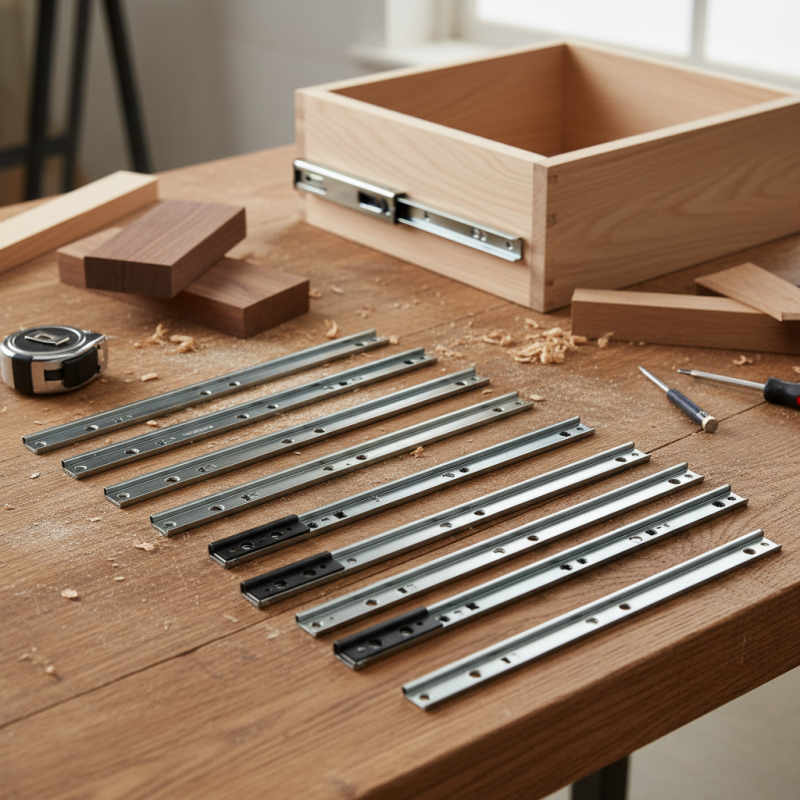
Types of Woodworking Drawer Slides: A Comprehensive Overview
Choosing the right drawer slides is crucial for your woodworking projects. Various types exist, each with unique features.
Undermount slides provide a clean look. They hide beneath the drawer, offering a seamless design.
Side-mount slides are the most common. They are easy to install and adjust. But they can be visible, affecting aesthetics.
Then, there are soft-close slides. These prevent slamming, adding a touch of luxury to your pieces. However, they can be more complex to install.
Another option is full-extension slides. They allow the drawer to come all the way out, maximizing accessibility. But, they typically require more space.
While selecting drawer slides, consider your specific needs. The perfect choice depends on your project. You may face challenges in matching slides with drawer sizes.
Testing various types, and reflecting on your experience, can guide your selection. Remember, every choice impacts the final look and functionality of your work.
Factors to Consider When Choosing Drawer Slides for DIY Projects
When selecting drawer slides for your DIY projects, various factors come into play. The type of material is crucial. Metal slides are more durable, while plastic options can be lighter. Consider the weight capacity as well. Make sure they can support your specific drawer loads without bending or breaking.
Another essential aspect is the slide mechanism. Choose between side-mounted, bottom-mounted, or under-mounted options based on your drawer design. Each type varies in installation and performance. Experimenting with different mechanisms can lead to surprising results. An under-mounted slide, for instance, provides a clean look but may require precise measurements.
Tips: Always measure your drawer and cabinet opening before purchasing. It’s easy to make mistakes. Double-check dimensions to avoid frustration later. Consider the ease of installation too. Some slides are straightforward, while others might require special tools. Don't hesitate to seek guidance online. There's plenty of information available. Reflection is key: what worked in the past? What didn’t? Embrace the learning process.
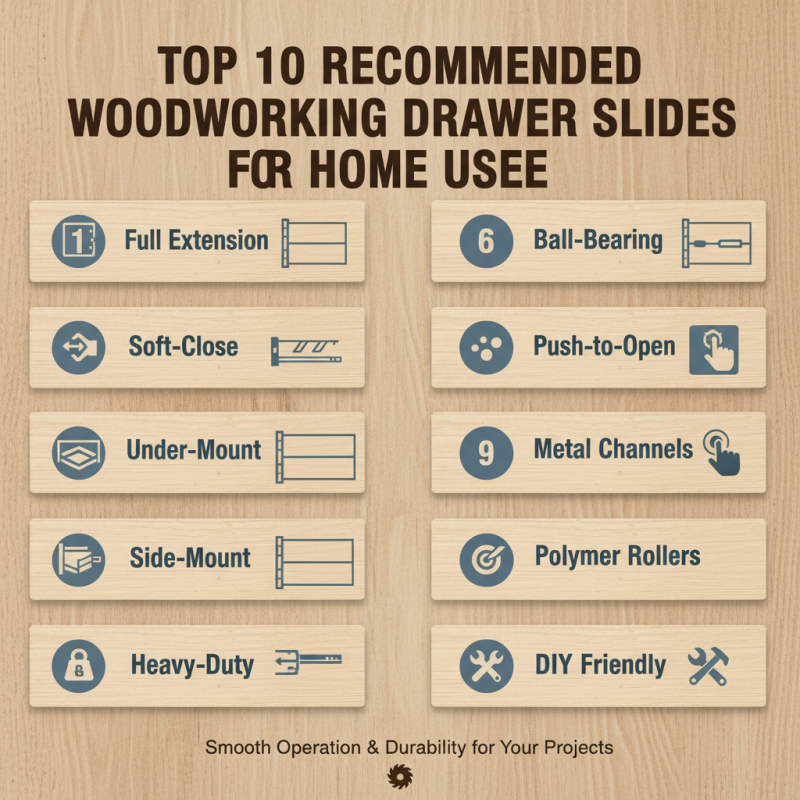
Top 10 Recommended Woodworking Drawer Slides for Home Use
When embarking on DIY projects, the choice of drawer slides is crucial. High-quality slides ensure smooth operation and durability. Numerous options are available. It can be overwhelming to decide which ones suit your needs best.
One practical tip is to consider the weight of the items you plan to store. Heavy items may require stronger, more robust slides. Also, check the weight rating of each slide type. Another factor to consider is the length of the slides. Measuring your drawers correctly can help avoid pitfalls. An incorrect length can lead to complications during installation.
Keep in mind, not all slides are easy to install. Some designs can be tricky. Always read the installation instructions carefully. Mistakes in the installation process can lead to frustration and wasted time. Experimenting with different types can give better insights. Sometimes, it’s about trial and error. Don't shy away from seeking help if you encounter issues. It’s okay to step back and reassess your approach.
Installation Tips for Efficient and Smooth Drawer Slide Operation
When installing drawer slides, attention to detail is key. Start by measuring the drawer and the cabinet space accurately. This ensures a perfect fit. Use a level to mark the installation points. A slight mistake here can cause misalignment later. It’s essential to double-check measurements before proceeding.
As you attach the slides, maintain consistent pressure. Screwing them in too tightly can warp the material. Conversely, loose screws might lead to a wobbly drawer. Try sliding the drawer in and out periodically during installation. This simple technique can reveal issues early. Remember, a smooth glide is the goal.
Consider the materials you use. Quality matters. Even minor imperfections can result in frustrating operation. Wood expands and contracts, and poor surface prep can lead to sticking. If you encounter difficulties, reassess your methods. Don’t rush the process. Each step directly impacts functionality. Small adjustments can make a big difference in the final outcome.
Maintenance and Care for Longevity of Your Drawer Slides
Maintaining drawer slides is essential for their longevity. Regular care can prevent issues like sticking or squeaking. Dust and debris accumulate over time. A simple cleaning routine can keep the slides functioning smoothly.
Use a soft cloth to wipe down the slides monthly. Check for any buildup that could hinder movement. For wooden slides, an occasional application of furniture oil can enhance performance. This helps to reduce friction and prevent wear.
Here are some tips:
- Inspect regularly for damage.
- Tighten loose screws as needed.
- Avoid overloading drawers. Weighted pressure can cause misalignment.
Remember, neglect can lead to bigger problems. An ounce of prevention is worth a pound of cure. Keeping up with basic maintenance will
save time and frustration in the long run.