Sliding Doors And Rails Top Tips for Choosing the Best Options?
Sliding Doors and Rails are essential components of modern architecture and interior design. With a growing trend towards open spaces, sliding doors provide flexibility and functionality. Recent industry reports indicate that the sliding door market is expected to grow significantly, reaching $16.5 billion by 2027. This growth reflects a shift towards innovative designs and materials that enhance aesthetic appeal.
When choosing Sliding Doors and Rails, various factors come into play. Quality, style, and durability are crucial. Many homeowners overlook the importance of rail systems, which can significantly impact door operations. A report from the Building Research Establishment highlights that the right rail can reduce wear and tear, extending the lifespan of doors.
Yet, selecting the ideal option can be daunting. Choices range from materials like wood and aluminum to glass and laminate. Each material offers unique benefits but also poses challenges in maintenance and longevity. In this diverse market, making informed decisions is vital. Experts encourage homeowners to evaluate their specific needs and environments before diving into options. Reflection on these elements can lead to better choices in future projects.
Understanding Sliding Doors: Types and Benefits
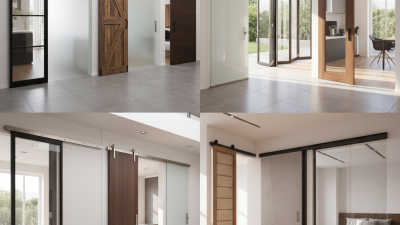
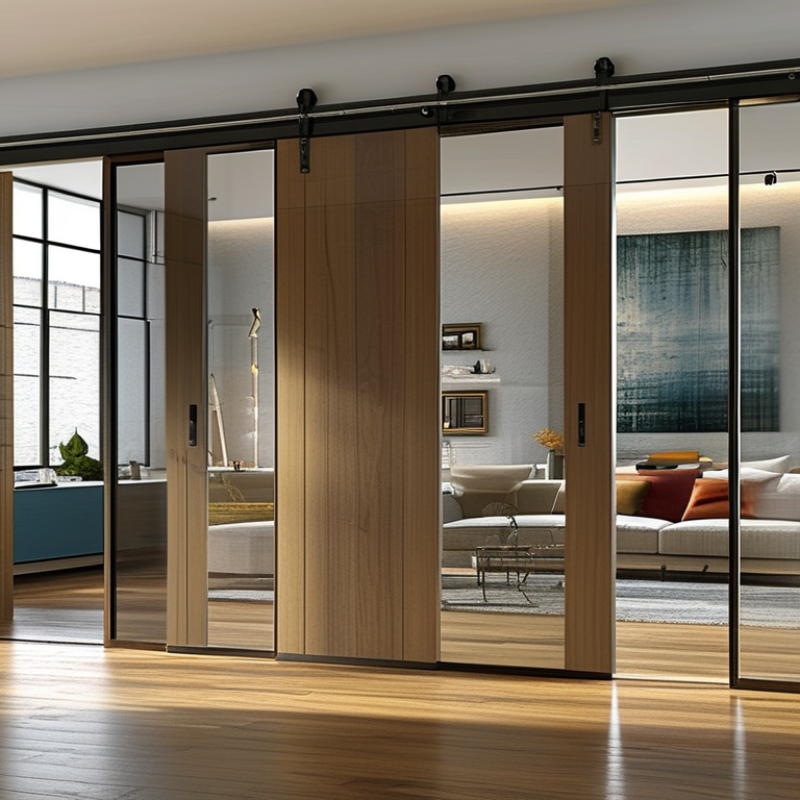
Sliding doors are an excellent choice for both functionality and aesthetics. They come in various types, including bi-fold, pocket, and sliding patio doors. Each type offers unique benefits. Bi-fold doors, for instance, create an open space that connects indoor and outdoor areas seamlessly. Pocket doors, on the other hand, slide into walls, saving valuable floor space. Choosing the right style depends on your needs and room layout.
Understanding the benefits of sliding doors enhances decision-making. They provide natural light, making rooms feel larger. The smooth operation of sliding doors is another advantage. They are space-saving and can be installed in tight spots. However, regular maintenance is essential to ensure they operate smoothly. This could involve cleaning tracks and checking for damage. Sliding doors also have downsides. Security can be a concern if not properly installed.
In conclusion, sliding doors offer flexibility and style but come with potential issues. Weighing the pros and cons is crucial when selecting the right type. Consider the space you have and your specific needs. Doing so will help you make an informed decision, ultimately benefiting your living space.
Key Materials for Sliding Doors and Rails: A Comparative Analysis
When selecting sliding doors and rails, the choice of materials can significantly impact durability and style. One of the most common options is aluminum. Known for its corrosion resistance, aluminum offers a sleek, modern look. However, it can be pricier and may not insulate sound as well as other materials.
Wood is another popular choice, providing warmth and natural beauty. Yet, wood can warp or shrink, making regular maintenance essential.
In terms of rails, stainless steel is often favored for its strength and longevity. It can support heavier doors but may require professional installation. On the other hand, plastic rails are lightweight and budget-friendly. While they may be easier to install, they often lack durability.
Tips: Consider environmental factors in your region. Humidity and temperature fluctuations may affect the performance of certain materials. Always check local guidelines for installation to ensure safety. Engage with professionals who have experience with sliding doors; their insights can be invaluable.
Essential Features to Look for in Sliding Door Systems
Choosing the right sliding door system can greatly enhance your home’s functionality and aesthetic. Start by evaluating the material of the door panels.
Glass doors offer a modern look and natural light, while wood provides warmth and insulation. Each option has its pros and cons. Glass can shatter easily, while wooden doors may warp over time.
Next, consider the rail system. The track's quality is crucial for smooth operation. Look for stainless steel options for durability. Test the sliding motion if possible. Does it glide effortlessly or feel cumbersome? Proper installation is also key. An improperly fixed door can lead to frustrating gaps or frequent jams.
Lastly, security features matter. Check the locking mechanisms on sliding doors. Multi-point locks are preferable for added peace of mind. Energy efficiency is another important aspect. Look for doors with good insulation ratings. This contributes to lower energy bills but can sometimes come at a higher cost. Balancing these features with your budget can be challenging yet rewarding.
Installation Considerations: Professional vs. DIY Approaches
When considering sliding doors and rails, installation is a key factor. Choosing between a professional installer or a DIY approach depends on various aspects. Professionals bring experience and expertise. They ensure that everything fits perfectly. Their knowledge helps avoid common pitfalls. However, hiring a professional can be more expensive.
DIY installation can be rewarding and cost-effective. It allows for creative expression but requires careful planning. Measure the space accurately. Select quality materials. A single miscalculation can lead to issues down the line. It’s also vital to research best practices. Online tutorials can guide you, but they might not cover every scenario.
Consider the complexity of your project. If it involves structural changes, a professional is often the safer choice. For simpler jobs, DIY may suffice. Balance your confidence with the project's demands. Remember, asking for help is not a weakness. Take your time in making the decision. Each choice has significant implications for the final result.
Maintenance Tips for Prolonging the Life of Sliding Doors and Rails
Sliding doors are a stylish choice for any home. However, they require proper care and maintenance to last. Regularly inspect the rails and rollers. Look for dust, dirt, or obstructions that may disrupt their movement. Clean them every few months using a soft cloth and mild detergent. This simple action can prevent costly repairs down the line.
Lubricating the tracks is essential too. Use a silicone spray for a smooth glide. Avoid grease, as it attracts dirt. Pay attention to the door alignment. Misalignment can cause unnecessary friction, making the door harder to open. If you notice any gaps, adjust the hinges properly. Even a small adjustment can make a significant difference.
Don’t ignore the door edges. Check for wear and tear. If you see cracks or scratches, consider touch-up paint or sealant. This not only improves the look but also protects against elements like moisture. Regular maintenance can extend the life of your sliding doors significantly. Ultimately, small changes lead to a better experience with your sliding doors and rails.