China Top 10 Secret Door Hinges Manufacturers?
China’s hardware industry has developed a strong reputation for precision components, flexible production, and competitive engineering support. This overview examines China’s top 10 Secret Door Hinges manufacturers through practical purchasing criteria. These criteria include material quality, machining accuracy, load capacity, installation design, surface treatment, and after-sales service.
A dependable manufacturer should provide clear technical drawings, sample testing, and consistent batch performance. Stainless steel, carbon steel, and concealed pivot systems serve different door weights and environments. A quiet hinge movement matters in hotels, private rooms, offices, and high-end residential projects. So does alignment. A door may look seamless, yet poor adjustment can cause rubbing, noise, or uneven gaps.
This guide focuses on manufacturers with relevant production experience, quality-control procedures, customization capabilities, and verifiable project support. Factory audits, product samples, certifications, and customer references deserve careful review. Marketing language alone is not enough. Public information can also be incomplete, and rankings may change as companies expand or improve. That limitation should remain visible.
Some suppliers may excel at high-volume orders, while others perform better with specialized designs or smaller projects. Buyers should compare hinge dimensions, concealed load ratings, opening angles, corrosion resistance, packaging, and lead times. A polished catalog is helpful, but hands-on testing reveals more. The selected companies are presented as practical candidates, not automatic choices for every application. Careful communication with engineers and procurement teams can prevent expensive installation problems later.
What Are Secret Door Hinges and How Do They Work?
China Top 10 Secret Door Hinges Manufacturers?
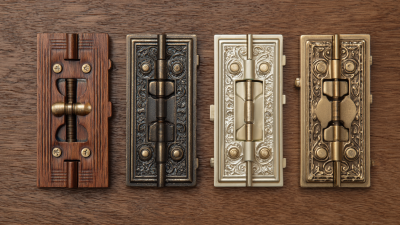
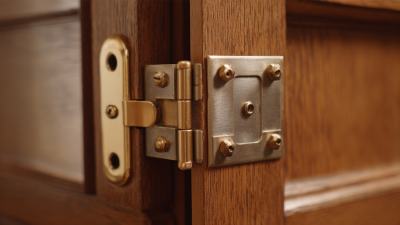
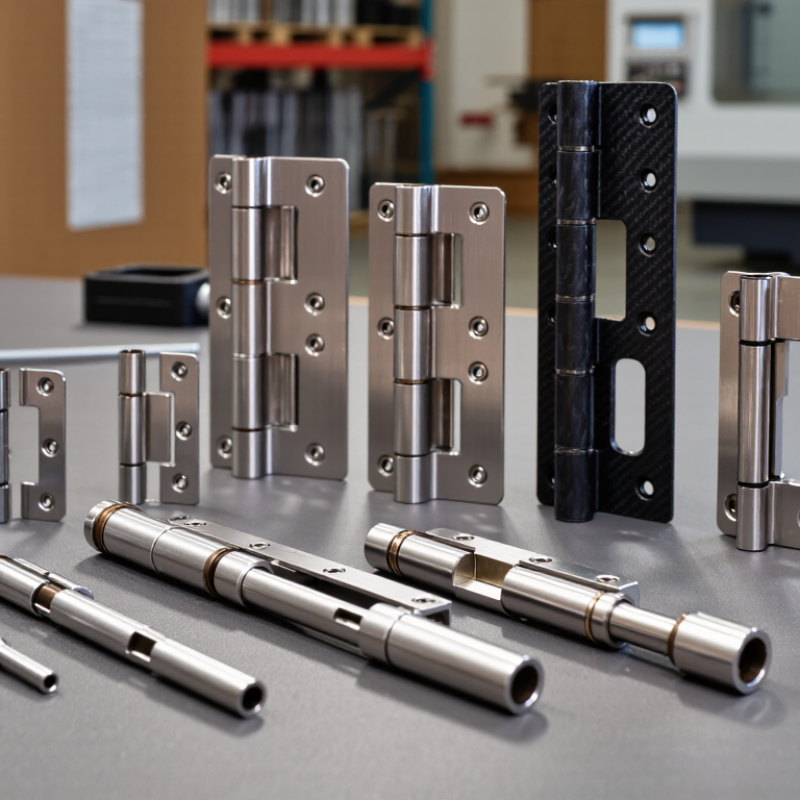
Secret door hinges are concealed hardware systems installed inside the door edge and frame. Their knuckles stay hidden when the door closes. This creates a clean wall surface and reduces visible tampering points. Most models use three-dimensional adjustment. Installers can tune height, side gap, and compression with small hex tools. Some heavy-duty designs support doors weighing over 100 kilograms, but capacity depends on the door material and fixing method.
The mechanism is simple, not effortless. A concealed hinge transfers the door load through internal plates, pivots, and reinforced screws. Poor alignment can cause rubbing, uneven gaps, or early wear. EN 1935 classifies hinge durability and load performance, with higher grades tested for up to 200,000 cycles. Buyers should request test records, adjustment ranges, corrosion results, and installation drawings. A factory’s production history matters more than polished photographs.
Industry demand also supports closer inspection. Grand View Research valued the global door hardware market at about 17.6 billion dollars in 2023, with continued growth expected through 2030. This figure includes many products, not only secret hinges. That limitation matters. Manufacturers should still be compared through machining accuracy, cycle testing, material traceability, and quality-control reports. A low price may hide weaker threads or inconsistent plating. I would not judge a supplier from one sample alone. Batch consistency is the harder question.
China Top 10 Secret Door Hinges Manufacturers: What Are Secret Door Hinges and How Do They Work?
Secret door hinges are concealed hardware systems installed inside the door leaf and frame, keeping the hinge mechanism hidden when the door is closed. Their adjustment axes describe how the door can be aligned after installation: height, side-to-side position, and depth. A 3D-adjustable concealed hinge provides the most alignment flexibility, while pivot and barrel hinges generally rotate around a single pivot axis.
How China’s Concealed Hinge Manufacturing Industry Is Structured
China’s concealed hinge industry is built as a coordinated manufacturing network, not a single factory model. Metal suppliers provide stainless steel, zinc alloy, or precision steel parts. Stamping workshops form leaves and plates. CNC teams machine hinge bodies and adjustment screws. Heat treatment improves strength, while surface finishing protects against moisture and wear. Many factories outsource plating or coating, which can create uneven quality between batches.
A reliable manufacturer usually controls assembly, inspection, and packaging in one location. Technicians check hinge movement, mounting accuracy, screw fit, and load performance. Experienced buyers should request material certificates, production samples, dimensional reports, and cycle-testing records. Traceability matters when a hidden hinge is installed inside a heavy door. Small tolerance errors can cause rubbing, noise, or poor alignment. I have found that attractive samples sometimes hide weak process control. That risk deserves attention.
Tips: Ask how many production steps are handled internally. Confirm the tested load rating, adjustment range, and corrosion resistance. Request photos of inspection equipment and packing methods. A factory may claim full capability, yet outsource critical finishing work. Visit the site when possible. Review rejected parts, not only perfect samples. This reveals whether quality control is practical or merely written on paper. Supplier performance can improve after feedback, but unclear drawings still create avoidable mistakes.
China’s Top 10 Secret Door Hinge Manufacturers
China’s Top 10 Secret Door Hinge Manufacturers
China’s top 10 secret door hinge manufacturers are often evaluated through engineering depth, production consistency, and export experience. The strongest suppliers usually produce concealed hinges for flush doors, cabinets, hotel rooms, and residential projects. Their factories may use CNC machining, automated polishing, and controlled assembly lines. These details matter when a hinge must disappear inside a narrow door gap.
A reliable manufacturer should provide load data, material specifications, installation drawings, and sample testing. Stainless steel, zinc alloy, and reinforced steel are common choices. Buyers should check adjustment range, opening angle, corrosion resistance, and screw stability. Smooth movement matters. So does quiet operation. Some suppliers support custom finishes, recessed frames, and different door weights. However, catalog claims should never replace physical testing. A sample may reveal uneven movement, weak threads, or poor alignment.
No ranking is perfect. Factory audits can expose details that websites hide, including inconsistent inspection records or limited after-sales support. Experienced buyers often compare ten shortlisted manufacturers using the same drawing and testing conditions. They review tolerances, packaging quality, lead times, and communication speed. Clear technical answers build trust. Vague promises do not. A manufacturer that admits design limits may be more dependable than one claiming every hinge is universal. Small installation errors can still affect performance. That point deserves more attention.
How to Compare Chinese Secret Door Hinge Suppliers
China Top 10 Secret Door Hinges Manufacturers?
How to Compare Chinese Secret Door Hinge Suppliers
Comparing Chinese concealed door hinge suppliers requires more than checking unit prices. Start with technical drawings, load ratings, opening angles, and adjustment ranges. Ask whether these figures come from testing or estimates. A dependable supplier should provide samples, material details, and clear tolerance data. Small details matter. Examine the hinge body, screws, bearings, and protective finish under strong light. Rough machining can cause noise, sagging, or uneven door gaps.
Request a sample before discussing large orders. Install it on a door with similar weight and thickness to your project. Test vertical, horizontal, and depth adjustments several times. Record whether the screws remain stable after repeated movement. One sample cannot prove long-term performance, but it exposes careless manufacturing quickly. I would also compare production lead times, minimum order quantities, packaging, and replacement-part policies. Cheap pricing often hides weak after-sales support.
Factory verification adds useful evidence. Review quality procedures, inspection records, equipment, and worker training. Ask how each batch is checked before shipment. Independent inspections can reduce uncertainty, especially for large projects. Communication is another practical test. Do technical answers arrive clearly, or do vague replies continue? I have found that specifications sometimes change during negotiation, which deserves written confirmation. Even experienced buyers can overlook installation conditions, such as frame movement or unusual door weight. Leave room for testing, revision, and honest doubt.
Key Factors for Selecting the Right Manufacturer
China Top 10 Secret Door Hinges Manufacturers: Key Factors for Selecting the Right Manufacturer
Choosing a concealed-door hinge manufacturer requires more than comparing catalog prices. A polished sample can mislead. Check the steel grade, machining tolerance, bearing design, adjustment range, and surface treatment. For heavy doors, request load-test records and cycle-test videos. EN 1935 classifies hinges by durability, corrosion resistance, and load performance, with the highest durability grade reaching 200,000 cycles.
Quality systems deserve close attention. The ISO Survey 2022 recorded more than 1.2 million ISO 9001 certificates worldwide, but certification alone does not prove hinge consistency. Ask whether the factory controls incoming metal, heat treatment, CNC accuracy, assembly torque, and final inspection. Request batch traceability and a corrective-action report from a previous failure. That uncomfortable document may reveal more than a showroom visit.
Production capacity also matters. Confirm tooling ownership, monthly output, sample lead time, and spare-part availability. A supplier claiming fast delivery should show purchase records, inspection equipment, and realistic production schedules. ASTM and EN test references can help align requirements, even when local specifications differ. During an audit, inspect unfinished parts, not only finished hinges. I have seen beautiful samples hide uneven plating and loose pivots. My own selection process would include a pilot order, independent dimensional checks, and repeated opening tests before volume purchasing. Low price remains attractive, but replacement labor can quietly exceed the original saving.