Top Woodworking Drawer Slides Tips for Smooth Functionality?
When it comes to woodworking, the quality of your drawer slides is crucial. Woodworking drawer slides are often overlooked yet play a vital role in the overall functionality of your cabinetry. A smooth slide offers ease of use and enhances the aesthetic of any project. However, not all drawer slides deliver this perfection.
Choosing the right type and installation method can be tricky. The market offers various options, but not every slide fits all needs. Misalignment can lead to frustration, and sometimes an imperfect choice can ruin an otherwise flawless design. Understanding the intricacies of woodworking drawer slides is essential for every craftsman.
In this guide, we will explore effective tips to ensure smooth functionality of your drawer slides. We’ll delve into installation techniques, maintenance advice, and common pitfalls. By focusing on these details, you can significantly improve the performance of your drawer systems. Your woodworking projects deserve it, and so do you.
Understanding Different Types of Woodworking Drawer Slides
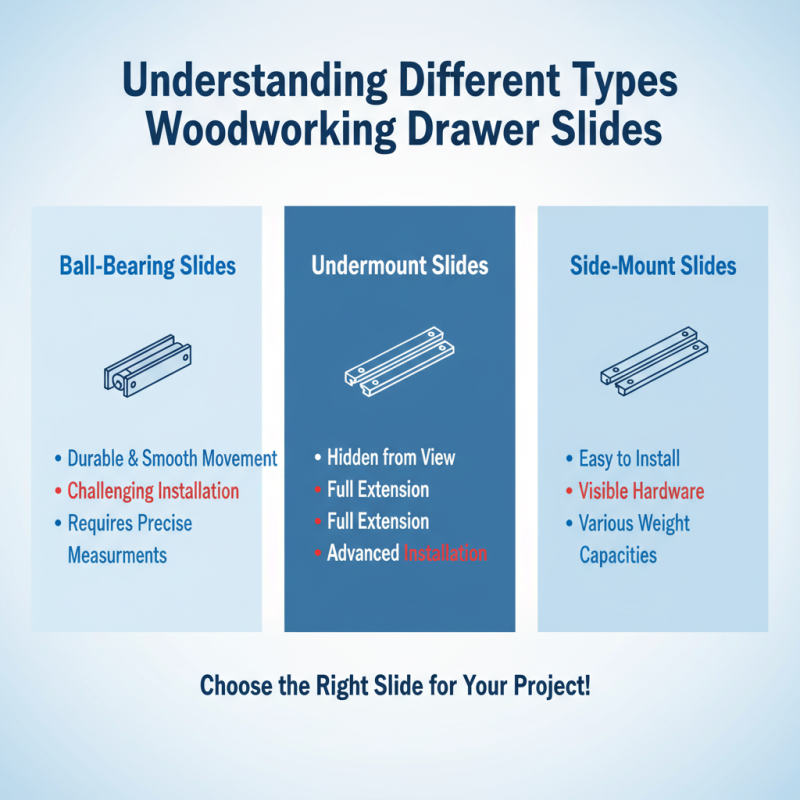
When it comes to woodworking, choosing the right drawer slides is essential for smooth functionality. There are various types of slides available, each offering distinct advantages and challenges. Ball-bearing slides are durable and allow for seamless movement, making them a popular choice. However, they can be tricky to install, requiring precise measurements.
Side-mount slides are another option. They provide a sturdy solution but may limit the drawer's usable space. On the other hand, under-mount slides offer a clean look. They hide beneath the drawer, promoting aesthetics. Yet, installation can be complicated. Not every woodworker feels confident with their skills on complex setups.
Lastly, soft-close slides are becoming increasingly popular. They prevent slamming, adding a touch of elegance. However, they may require specific drawer designs. Evaluating the needs of your project is crucial. Know that not every slide is perfect for every drawer. Learning from mistakes can lead to better choices in the future.
Choosing the Right Material for Drawer Slides
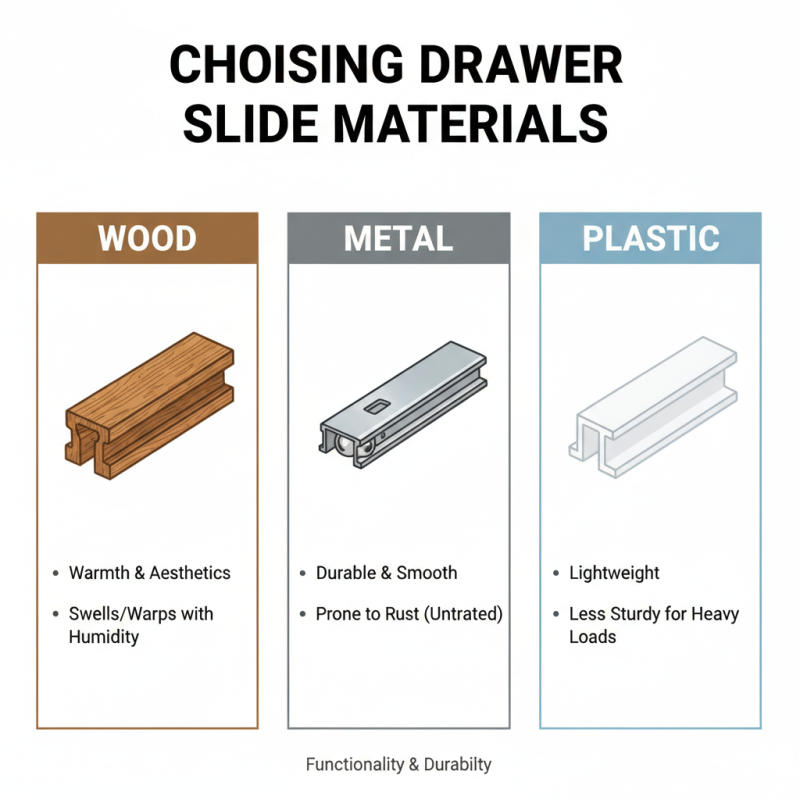
Choosing the right material for drawer slides is crucial for functionality and durability. Wood, metal, and plastic are common options. Each material offers unique benefits. Wood provides warmth and aesthetic appeal, fitting well in traditional designs. However, wood slides may swell or warp with humidity. Metal slides are more durable and resistant to wear. They glide smoothly but can be prone to rust if not treated properly. Plastic slides are lightweight but may lack sturdiness for heavy drawers.
It’s important to evaluate the weight these slides will support. If you're building a kitchen drawer for heavy pots, opt for metal. For lighter items, wood may work fine. Keep in mind, not all materials perform equally under stress. A wooden slide might look appealing but can lead to frustration if it fails. Ensure your choice aligns with the intended use of the drawer. Maintenance matters too. Metal could need occasional lubrication, while wood requires a careful eye on humidity levels. Balancing aesthetics and functionality leads to better long-term satisfaction.
Installation Techniques for Optimal Smoothness
Installing drawer slides correctly is crucial for achieving smooth functionality. According to industry standards, the alignment and calibration of drawer slides can impact durability by up to 30%. When drawer slides are misaligned, they may cause friction, leading to premature wear or failure. Ensuring a precise installation process is key for longevity.
One effective tip is to use spacers during installation. This technique allows for consistent gaps during the mounting process. Additionally, lubricating the slides can significantly enhance their performance. A silicone-based lubricant can reduce friction, providing a smoother operation. Many professionals recommend applying lubricant every few months as a proactive measure.
Another essential aspect is the choice of hardware. Materials matter; steel slides tend to be more durable than plastic. However, it's also essential to consider weight capacity. Each slide has specific load ratings, and exceeding these can cause malfunctions. Regular inspections can catch issues early, allowing for timely adjustments. Consider leaving a little room for error during installation. An overly tight fit can hinder the sliding action and create problems down the line.
Maintenance Tips for Long-lasting Drawer Functionality
Maintaining drawer slides is crucial for ensuring smooth functionality. Regular cleaning is vital to remove dust and debris that can hinder movement. Use a soft cloth and a mild cleaner. For metal slides, a light application of silicone spray can reduce friction and noise. This small step can make a significant difference in performance.
Inspect your drawer slides periodically. Look for signs of wear or damage, such as rust on metal components or chipped wood. Addressing these issues early can prevent costly repairs later. Tighten any loose screws to ensure stability. It’s easy to overlook these small details, but they are essential for longevity.
Don’t forget to check alignment. Misaligned slides can cause drawers to jam or stick. Adjust them carefully if needed. Sometimes, a simple adjustment makes all the difference. Reflect on your usage patterns too; heavier loads can strain slides. Balancing loads can enhance functionality and extend the life of your drawers.
Common Issues and Solutions for Drawer Slides
When working on woodworking projects, drawer slides can significantly impact functionality. Many users encounter common issues that can disrupt the smooth operation of drawers. A report from the Woodworking Machinery Manufacturers of America indicates that improper installation is one of the leading causes of drawer dysfunction. Ensuring that slides are level and aligned during the installation process is crucial.
Wear and tear can also lead to problems. According to a survey conducted by the Cabinet Makers Association, nearly 30% of woodworkers reported frequent failures due to worn-out slides. Ultimately, regular maintenance is vital. Keeping tracks clean and lubricated helps prevent issues. In fact, using silicone-based lubricants can enhance the life of the slides.
For optimal functionality, consider these tips:
- Check for misalignment by opening and closing the drawer multiple times. If it sticks, adjustments are necessary.
- Regularly inspect slides for damage. Simple replacements can save you hassle.
- Ensuring that your woodwork is not overly heavy can also help keep slides functioning well.