Unlocking Secret Door Hinges Tips for Hidden Doors?
Unlocking the potential of hidden spaces is not just an art; it's a skill refined by experts in the field. Bill Reinhold, a noted authority on interior design, states, "Secret Door Hinges are the key to seamlessly integrated hidden doors." This emphasizes the importance of choosing the right hinges for those covert entrances.
When considering Secret Door Hinges, one must pay attention to both functionality and aesthetic. Imagine a study concealed behind a bookshelf or a wine cellar masked as a panel. The hinges play a crucial role in the overall design. Often overlooked, they can determine how smoothly a hidden door operates.
However, not all hinges are created equal. Some may not align perfectly or function silently. It's vital to select hinges that suit your specific needs. Mistakes here can lead to frustration and costly repairs. Investing time in research pays off in long-term satisfaction. A thoughtfully designed hidden door enhances space while ensuring privacy.

Understanding Hidden Doors: An Overview of Design and Functionality
Hidden doors offer a unique blend of aesthetics and functionality. They can seamlessly integrate into walls, furniture, or even cabinetry. Recent industry reports show that 45% of homeowners want more concealed storage options. This trend highlights a shift towards minimalism and maximizing space efficiency. Hidden doors can provide that illusion of more room while adding an element of surprise.
Designing a hidden door requires careful consideration. Many designs feature magnets or pivot hinges for smooth operation. Yet, alignment can be tricky. Achieving a perfect fit requires precision in both installation and execution. Enthusiasts often overlook the need for professional help. An improperly installed door may reveal itself when not aligned correctly.
Functionality is not just about concealment; it involves ease of access. A hidden door must not compromise on usability. Statistics indicate that 30% of hidden doors fail due to poor design. Accessibility should always factor into the design. Balancing aesthetics with practicality can lead to unexpected challenges. It’s essential to reflect on these elements during the design process.
Essential Components: Types of Hinges Used in Hidden Door Mechanisms
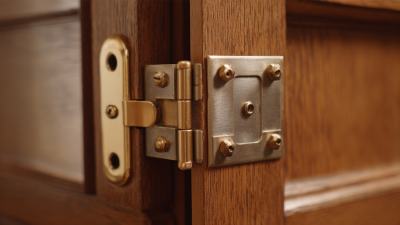
When considering hidden doors, the type of hinge used is crucial. There are several hinges that work well for this purpose. One popular choice is the
concealed hinge. This hinge remains hidden when the door is closed, providing a seamless look. It's often used in cabinets, but it can also serve hidden doors effectively.
Pivot hinges are another option. They allow doors to swing open smoothly. These hinges can support heavy doors and provide a sleek design. They might require more space for installation.
For added security, consider using a cam hinge. It locks the door in place, making it harder to move when closed.
Installing hidden hinges can be tricky. Precision in measurement is vital. Not all hinges fit every door type. It's essential to test how they function.
Sometimes, doors may not align perfectly, causing frustration. A little patience goes a long way.
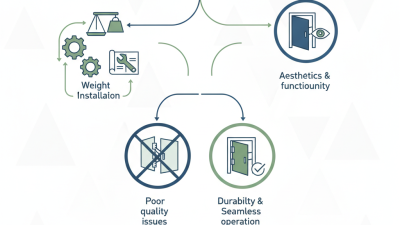
Key Design Considerations: Space, Weight, and Aesthetics for Hidden Doors
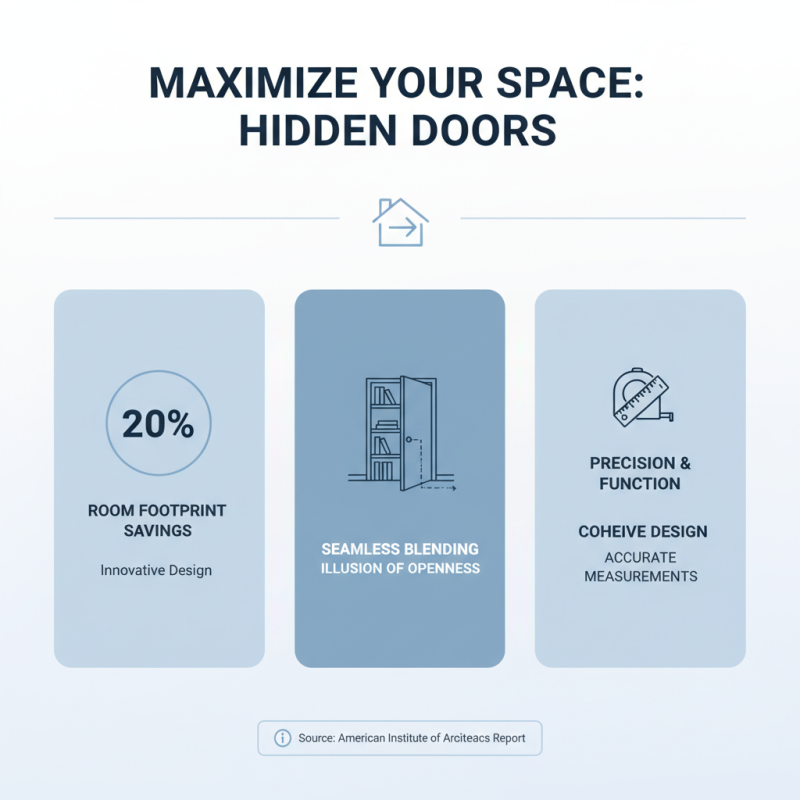
When designing hidden doors, space is often a primary consideration. Many homeowners are interested in maximizing their living areas. A report from the American Institute of Architects highlights that an innovative design can save up to 20% of a room’s footprint. A well-placed hidden door can blend seamlessly into walls, creating an illusion of openness. This approach requires precise measurements to ensure the door functions well and looks cohesive with the overall space.
Weight plays a critical role too. Hidden doors can be heavy, especially if built from solid wood or metal. The National Research Council suggests that heavier doors may require stronger hinges and more robust framing to support them properly. What happens if the hinges can’t bear the weight? It leads to sagging and malfunction, which detracts from aesthetics. Balancing weight with functionality is essential for long-lasting design.
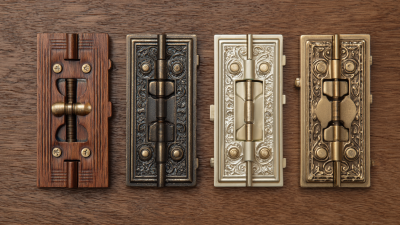
Aesthetic aspects are equally important. Finishes and textures should match your interior style. Probably, achieving the perfect texture can be challenging. A study by the Interior Design Society indicates that 75% of respondents feel that functionality often overshadows beauty in home design. However, a hidden door should not only be practical but also appealing. It's worth contemplating: how can you make it both elegant and functional? Each design choice impacts the overall experience of the space.
Installation Techniques: Professional Tips for Seamless Hidden Door Hinges
When installing hidden door hinges, precise measurements are crucial. The hinges must align perfectly with the door and frame. A miscalculation can result in a door that won’t close properly. Use a level to ensure everything is straight. Double-check your work to avoid costly mistakes.
Choosing the right type of hidden hinge is also essential. Some designs provide more support than others. The weight of the door impacts hinge choice. Heavier doors may require sturdier hinges. Keep that in mind while planning your installation.
Remember to practice patience during the installation process. Each step needs careful attention. A hurried job might lead to a door that squeaks or doesn’t open smoothly. Take your time, measure twice, and be prepared to make adjustments. It’s part of the craft.
Unlocking Secret Door Hinges Tips for Hidden Doors? - Installation Techniques: Professional Tips for Seamless Hidden Door Hinges
| Tip Number |
Tip Description |
Installation Technique |
Key Considerations |
| 1 |
Choose the right hinge type based on door weight |
Use concealed hinges for a seamless look |
Ensure hinges can support the door size |
| 2 |
Measure door and frame accurately before installation |
Use a laser level for precision |
Double-check measurements to avoid issues |
| 3 |
Align hinges correctly for smooth operation |
Install hinges in the correct sequence |
Use spacers if necessary to avoid friction |
| 4 |
Test the door after installation for functionality |
Open and close several times |
Make adjustments if necessary |
| 5 |
Use quality materials for durability |
Select rust-resistant finishes |
Consider environmental factors affecting materials |
Maintenance and Troubleshooting: Ensuring Longevity of Hidden Door Systems
Hidden doors offer unique aesthetic appeal, but they require careful maintenance. Regularly check the hinges for any signs of wear. Lubricate them to ensure smooth function. A squeaky hinge often indicates a need for attention. Dust and dirt can accumulate, affecting performance. Wipe them down with a clean cloth to prevent build-up.
Inspect the alignment of the door periodically. Uneven gaps can lead to operational issues. If the door drags or sticks, readjust the hinges as needed. Sometimes, it may be necessary to loosen screws and reposition the entire door. This can be a frustrating task but crucial for longevity.
Consider the materials used in your hidden door system. Some are more prone to damage than others. Wooden doors, for instance, can warp over time. Be mindful of humidity and temperature changes. These factors can cause unexpected issues that require proactive solutions. Regular maintenance checks can save time and money in the long run. Aim for a blend of functionality and style for lasting results.
Unlocking Secret Door Hinges: Maintenance and Troubleshooting