Top 10 Tips for Shower Door Hinge Replacement: A Complete Guide
When it comes to maintaining a functional and stylish bathroom, the condition of your shower door is essential. Over time, the hinges on your shower door may wear out or become damaged, leading to a frustrating experience. A thorough understanding of Shower Door Hinge Replacement is crucial for any homeowner looking to restore their bathroom's elegance and functionality. In this guide, we will explore ten indispensable tips that will not only make the process more manageable but will also ensure that your new hinges are installed correctly for long-lasting performance.
Replacing shower door hinges can seem daunting, but with the right knowledge and tools, you can complete this task with confidence. By preparing adequately and following a systematic approach, you can avoid common pitfalls and costly mistakes. This guide will provide you with insights into the best practices for Shower Door Hinge Replacement, helping you navigate through choosing the right hinges, the specific steps for removal and installation, and essential maintenance tips to prolong the life of your new hardware. Whether you're a seasoned DIY enthusiast or a first-time homeowner, these tips will empower you to take on this project effectively.
Understanding Different Types of Shower Door Hinges
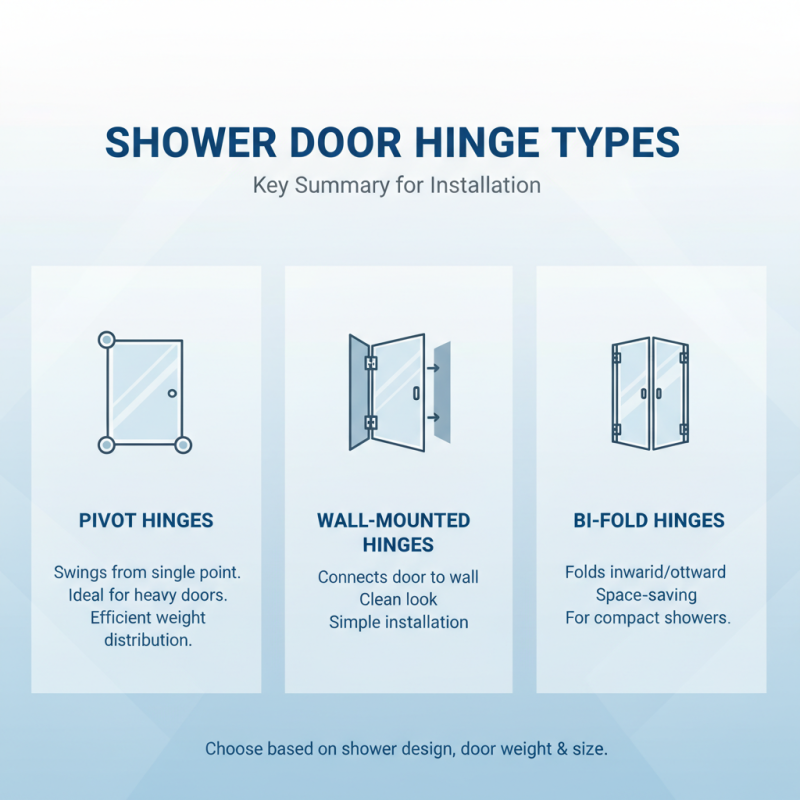
When it comes to shower door hinge replacement, understanding the different types of hinges available is essential for a successful installation. Shower door hinges come in several designs, including pivot hinges, wall-mounted hinges, and bi-fold hinges. Pivot hinges allow the door to swing open and closed from a single point, making them ideal for heavy doors as they distribute weight efficiently. Conversely, wall-mounted hinges connect the door directly to the wall, providing a clean look and straightforward installation. Each type serves a specific purpose, so the choice largely depends on the design of your shower and the overall weight and size of the door.
Another important consideration when selecting hinges is their material. Stainless steel hinges are popular due to their resistance to corrosion and durability in humid environments. Brass hinges, while aesthetically pleasing, may require more maintenance to prevent tarnishing. Additionally, plastic hinges are lightweight and can be a budget-friendly option. Ultimately, selecting the right type and material of hinges will not only ensure functionality but will also enhance the visual appeal of your shower. Understanding these differences will guide you in making an informed decision during your shower door hinge replacement project.
Gathering Necessary Tools and Materials for Replacement
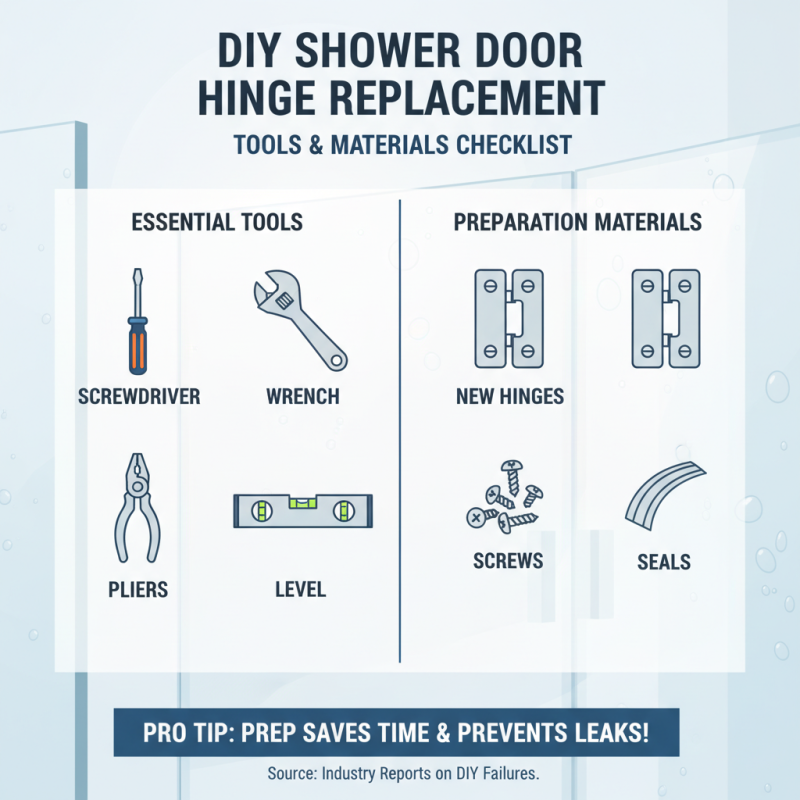
When it comes to shower door hinge replacement, gathering the necessary tools and materials is the first crucial step that sets the stage for a successful DIY project. According to industry reports, improper installations often lead to issues such as water leaks and door misalignment, which can be avoided by ensuring you have everything you need before starting. Essential tools include a screwdriver, a wrench, pliers, and a level. Additionally, preparing materials such as new hinges, screws, and seals can save you time and frustration during the replacement process.
Tip: Before you begin, measure your existing hinges carefully to ensure a proper fit for the new ones. Many homeowners overlook this step, leading to mismatched replacements that can complicate installation. It's also advisable to have a helper on hand; as reported by the Home Improvement Research Institute, projects involving multiple parts can benefit from an extra set of hands, especially when holding the door in place.
Moreover, ensuring your work area is clear and protected will facilitate a smoother process. Utilizing drop cloths can help safeguard your bathroom floor from any unwanted debris or accidental damage. Additionally, consider using a magnetic tray to keep screws organized. Industry professionals emphasize that organization not only saves time but also enhances the overall efficiency of the project. By gathering all tools and materials beforehand, you set yourself up for a seamless and effective hinge replacement experience.
Step-by-Step Process for Removing Old Shower Door Hinges
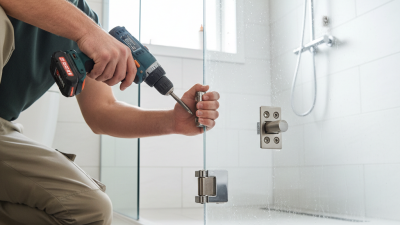
Replacing old shower door hinges can significantly enhance the functionality and aesthetics of your bathroom. To begin the process of removing old hinges, ensure you have the right tools at hand: a screwdriver, a socket wrench, and a level. Start by closing the shower door and inspecting the hinges. If they appear rusted or worn, it's time for a replacement. Next, support the door securely to avoid any accidental falls. Loosen the screws with a screwdriver, and gently pull the hinges away from the door frame.
During this removal process, keep in mind that precision is key. Proper alignment of the hinges is crucial; even a slight discrepancy can lead to doors that don't close properly. According to industry reports, poorly maintained or malfunctioning shower doors account for over 20% of bathroom repairs, making regular hinge checks a smart maintenance strategy.
Tip: When selecting new hinges, opt for materials that resist corrosion and wear. Stainless steel or brass options are highly recommended, as they not only ensure durability but also maintain a sleek appearance. If you encounter old caulk or adhesive during the removal, use a utility knife to carefully scrape it off, ensuring a smooth surface for the new hinges. With the right preparation and mindful execution, you can boost the overall safety and look of your shower area.
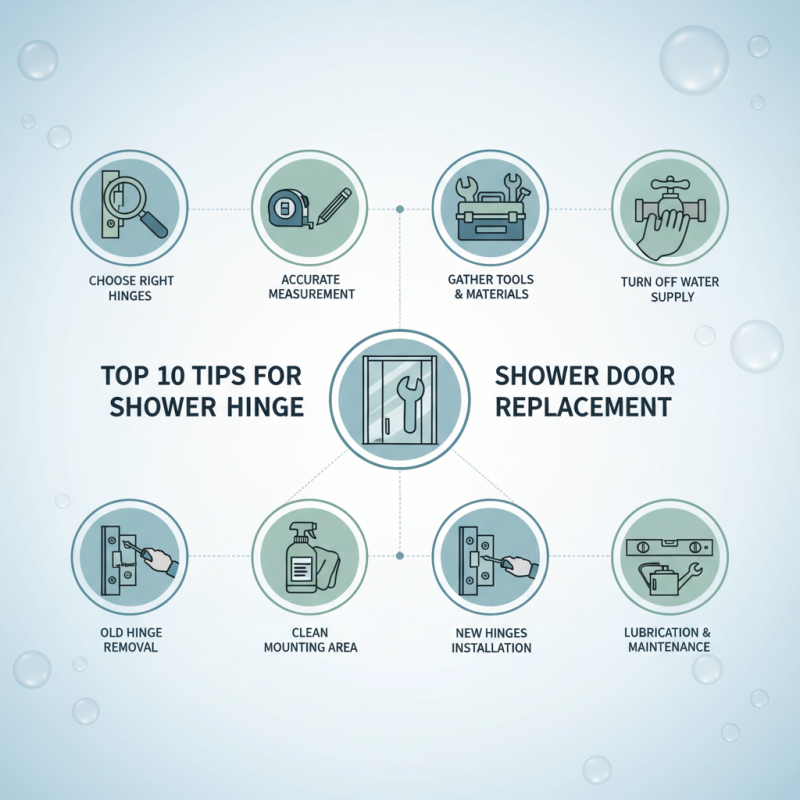
Top 10 Tips for Shower Door Hinge Replacement: A Complete Guide
| Tip Number |
Tip |
Description |
| 1 |
Gather Tools |
Make sure to have screwdrivers, a level, and a wrench ready. |
| 2 |
Turn Off Water Supply |
Ensure the water supply is turned off to prevent any leaks. |
| 3 |
Remove Old Hinges |
Carefully unscrew the old hinges using a screwdriver. |
| 4 |
Inspect the Door |
Check for any signs of wear or damage on the door. |
| 5 |
Align New Hinges |
Position the new hinges accurately before securing them. |
| 6 |
Add Sealant |
Apply a silicone sealant around the hinges for moisture protection. |
| 7 |
Screw Hinges Securely |
Tighten the screws to firmly hold the hinges in place. |
| 8 |
Test Door Movement |
Open and close the door to ensure smooth operation. |
| 9 |
Check for Gaps |
Ensure there are no gaps between the door and the frame. |
| 10 |
Final Cleanup |
Clean up the workspace and remove any debris. |
Installing New Shower Door Hinges: Best Practices
When it comes to installing new shower door hinges, the importance of proper alignment and durability cannot be overstated. According to a report from the National Association of Home Builders, nearly 20% of home remodeling projects involve bathroom upgrades, with door functionality being a critical focus. Ensuring that your shower door hinges are correctly installed not only affects the longevity of the door but also enhances user safety by preventing unwanted door swings or accidents.
One of the best practices during installation is to start with high-quality materials. Professional renovators often recommend using stainless steel hinges due to their resistance to corrosion and rust, which is particularly vital in a humid bathroom environment. Furthermore, ensuring that the hinge is level and plumb during installation is crucial; failure to do so can lead to misalignment and premature wear. According to industry standards, misaligned shower door hinges can increase wear by up to 40%, significantly shortening the lifespan of the door. Proper measurements, along with high-quality hinges, can provide a reliable and functional result that not only looks good but performs well over time.
Top 10 Shower Door Hinge Replacement Tips
Common Mistakes to Avoid During Shower Door Hinge Replacement
When undertaking shower door hinge replacement, avoiding common missteps is crucial for ensuring long-lasting functionality and aesthetic appeal. One frequent mistake homeowners make is neglecting to measure the existing hinges accurately before purchasing replacements. According to a study by the National Kitchen and Bath Association, improper measurements account for up to 26% of installation errors. Thus, always use a caliper or a precise measuring tape to gather the dimensions of your current hinges and the mounting points to prevent misfits that can lead to leaks or door malfunctions.
Another prevalent issue is failing to consider the material compatibility of new hinges with your shower door. Many people opt for attractive but less durable options that may not withstand the moisture-rich environment of a bathroom. According to industry reports, over 30% of shower door issues stem from the incorrect selection of hinge materials. Stainless steel or brass, which provide both durability and resistance to corrosion, are often recommended. Furthermore, ensure that the weight capacity of the new hinges can support the shower door adequately, as inadequate support can lead to operational failures and additional repair costs. Paying attention to these details can save homeowners time, money, and stress in the long run.