Top Quality Cabinet Door Hardware Hinges for Global Buyers?
The demand for high-quality Cabinet Door Hardware Hinges is surging globally. Industry reports indicate that the hinges market is projected to grow by 5.8% annually through 2027. This growth is largely driven by rising home improvement projects and new constructions. "Quality hinges are crucial for functionality and longevity," says John Matthews, a recognized expert in the hardware industry. His insights highlight the importance of selecting the right hinge for ensuring durability.
Manufacturers now focus on innovation, producing hinges that offer advanced features like soft-close mechanisms. This improvement addresses consumer needs for quieter operations. However, not all brands meet these quality standards. Research shows that nearly 30% of hinges sold do not pass rigorous quality checks. This statistic reminds buyers to be vigilant in their purchasing decisions.
Ultimately, finding the perfect Cabinet Door Hardware Hinges requires careful consideration. Buyers should evaluate specifications and reputation before making choices. While aesthetics and price matter, functionality cannot be overlooked. Quality hinges ensure that cabinets operate smoothly and last longer, making them a vital investment in any project.
Understanding Cabinet Door Hardware: A Comprehensive Overview
Understanding cabinet door hardware is essential for both functionality and aesthetics.
Hinges play a critical role in this hardware category. They support the door’s weight and allow smooth movement. Choosing the right type of hinge can impact the durability and style of your cabinets.
Tips: Always consider the weight of your cabinet doors. Heavy doors require stronger hinges. Look for materials that resist rust and wear. The length of the hinge is also important; it should match your door thickness for optimal performance.
Not all hinges are created equal. Some might not accommodate the door’s design well. This can lead to future issues, such as sagging or difficulty closing. While high-quality hinges may have a higher initial cost, they provide better longevity and functionality. Make sure to evaluate the styles available. Each type offers different aesthetic appeal and utility.
Types of Hinges: Exploring Various Cabinet Door Hardware Options
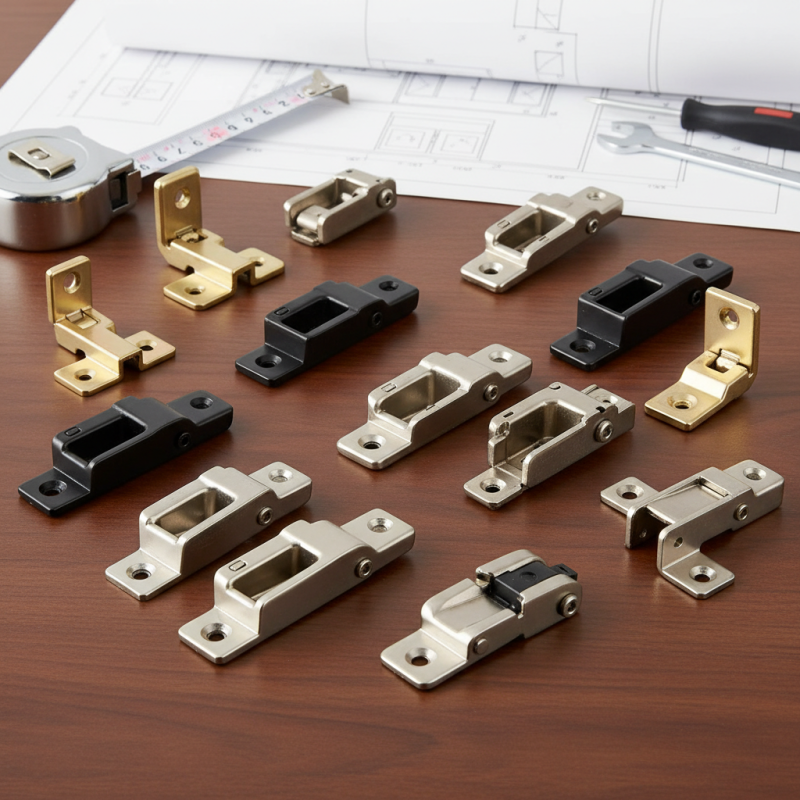
When selecting cabinet door hardware, hinges are essential. They determine functionality and style. Various types of hinges cater to different needs and preferences.
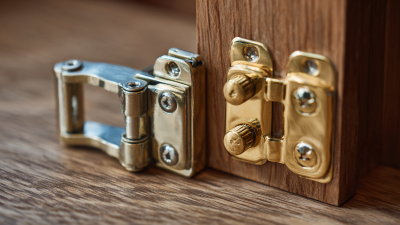
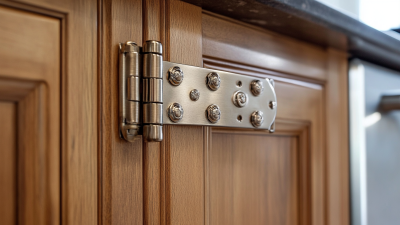
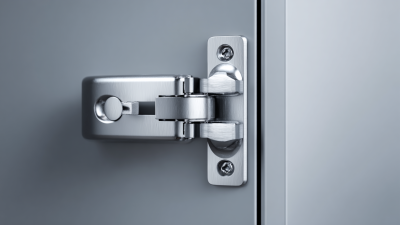
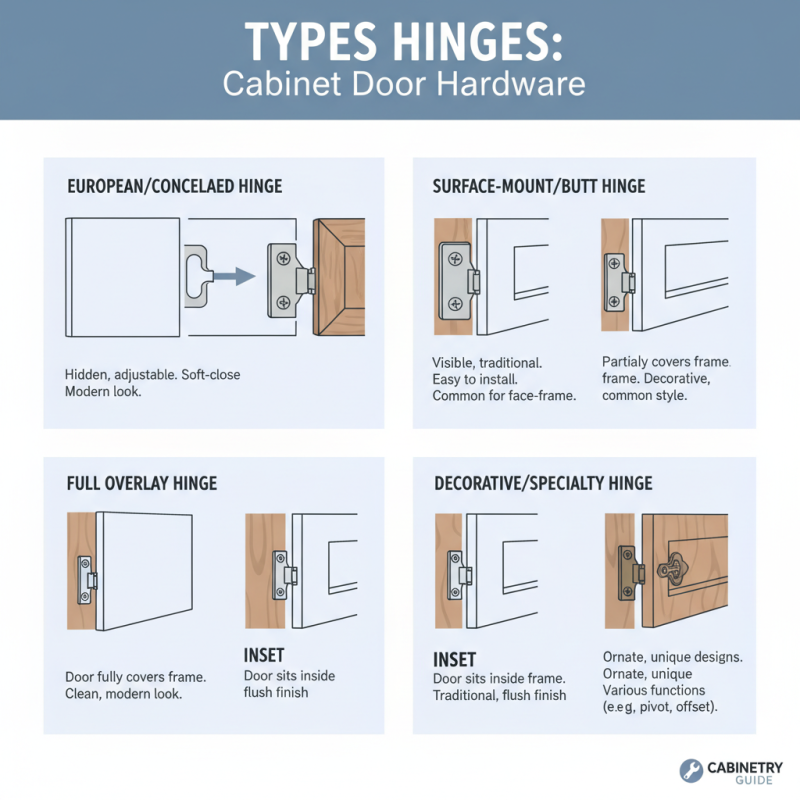
Concealed hinges are popular for their sleek design. They hide within the cabinet, providing a clean look. These are great for modern or minimalistic spaces. On the other hand, pivot hinges are perfect for heavy doors. They distribute weight evenly and allow smooth operation. If you seek a rustic feel, butt hinges offer robustness and classic style. They are visible, adding character to your cabinets.
Tips for choosing the right hinges: Consider the weight of your cabinet doors. Heavier doors require stronger hinges. Additionally, think about door clearance and accessibility. Choose hinges that don’t obstruct other elements. Lastly, always match your hinge finish with other hardware. This creates cohesion in your design.
Factors to Consider When Selecting Cabinet Door Hinges
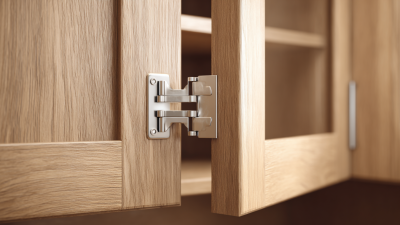
When selecting cabinet door hinges, several crucial factors come into play. The type of hinge can significantly affect functionality and aesthetics. For instance, concealed hinges offer a clean look, while surface-mounted hinges are visible and can add character. It’s helpful to consider the cabinet style and how the hinges will complement or contrast it.
Material choice is another critical aspect. Stainless steel is known for durability, but it may not fit every decor style. On the other hand, brass can bring an elegant touch, but it might tarnish over time. Consider the weight of the cabinet doors too. Heavier doors need sturdier hinges to ensure longevity. Users often overlook this detail, resulting in premature hinge failures.
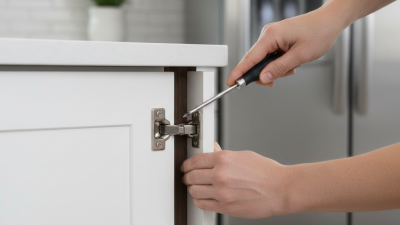
Installing hinges may seem straightforward, but mistakes can happen. Incorrect placement can hinder door movement, leading to frustration. It’s important to measure accurately and align hinges properly. Don’t rush this step; take your time to ensure an effective installation. Reflect on the overall look you want to achieve, as the right hinge can bring a significant enhancement to your cabinets.
Top Quality Cabinet Door Hardware Hinges for Global Buyers
| Hinge Type |
Material |
Load Capacity (lbs) |
Finish Options |
Price Range (USD) |
| Self-Closing Hinges |
Stainless Steel |
50 |
Brushed, Polished |
$2 - $5 |
| Concealed Hinges |
Brass |
30 |
Antique, Matte |
$3 - $7 |
| Overlay Hinges |
Zinc Alloy |
40 |
Chrome, Oil-Rubbed |
$1.50 - $4 |
| European Hinges |
Steel |
60 |
Black, White |
$3 - $6 |
Top Brands for Quality Cabinet Door Hardware Worldwide
When selecting cabinet door hardware, the quality of hinges is critical. Buyers around the globe seek durable and reliable options. Different projects require varying styles. For instance, softer close hinges are popular in modern kitchens, while traditional styles suit classic designs.
A hinge's finish can create a significant visual impact. Many buyers do not consider this aspect deeply, which can lead to mismatched aesthetics. Protecting against wear and tear is another important factor. Quality hinges can enhance the lifespan of cabinetry. However, finding the right balance between aesthetics and functionality can be challenging.
Moreover, standards for quality can differ across regions. Some buyers may have unrealistic expectations based on local availability. It's essential to research and compare products before purchase. Engaging with suppliers who prioritize customer feedback is beneficial. High-quality hardware is an investment, and understanding this can lead to informed choices.
Top Quality Cabinet Door Hardware Hinges
Installation Tips for Achieving Optimal Function with Hinges
When installing cabinet door hinges, several key factors can enhance their functionality.
Begin by measuring the door and frame accurately. Use a level to ensure everything is straight.
It’s crucial to align the hinges properly. Misalignment can lead to rubbing or uneven gaps. If the door drags,
adjust the hinges slightly. Sometimes, a simple tweak can make a significant difference.
Choosing the right screws is also essential. They should be the proper length to ensure a secure fit.
Using screws that are too long may damage the cabinet structure. Pay attention to the drilling depth as well.
Drilling too deep can lead to stripping, making it challenging to hold the hinge in place.
After installation, test the door several times. Listen for any unusual noises. A smooth motion is what you want.
If the hinges squeak, a little lubricant can help. However, excessive lubricant might attract dust.
Keep this in mind for future maintenance.
Remember, every installation is a learning experience.
Reflect on what worked and what didn't for next time.