Essential Tips for Choosing Hinges Guides and Drawers?
When selecting the right Hinges-Guides-Drawers for your projects, many factors come into play. The market for hardware products, including hinges and guides, is expected to reach $15 billion by 2026, as reported by the Global Industry Analysts. This highlights the importance of making informed choices. Each component you select directly impacts functionality, durability, and user satisfaction.
Understanding how hinges function with guides and drawers can enhance usability. Poor choices may lead to frustrating experiences. For instance, installing the wrong hinge size can affect the door's alignment. According to industry experts, 30% of hardware failures come from improper selections. This statistic calls attention to the need for careful planning and consideration.
Investing time in research will pay off. Consult manufacturers’ specifications and look for reliable brands. Realizing that quality matters will help avoid future regrets. The right Hinges-Guides-Drawers combination can elevate both aesthetics and functionality in your projects.
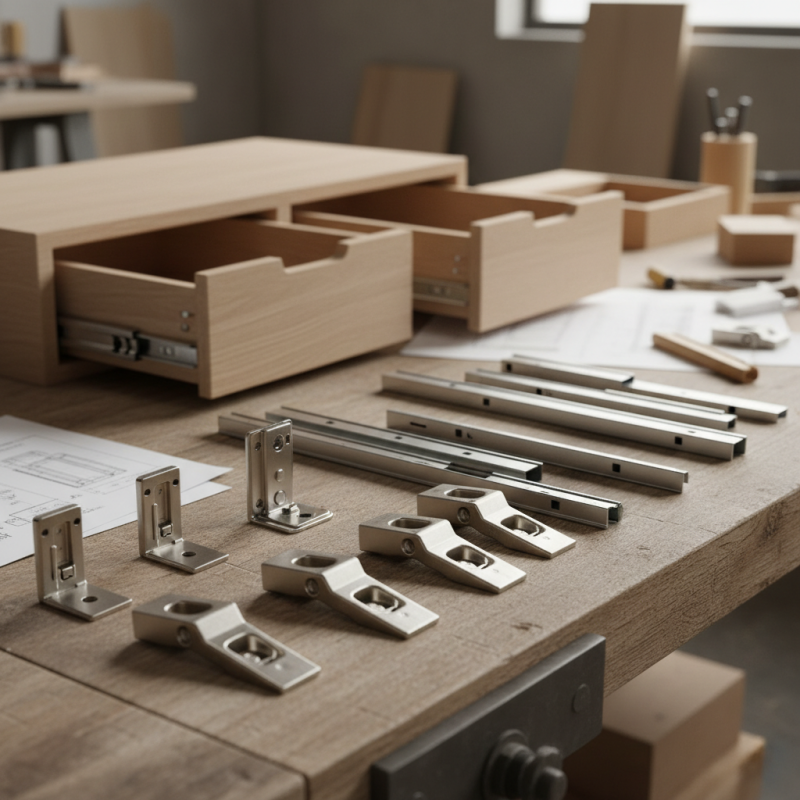
Understanding Different Types of Hinges and Their Uses
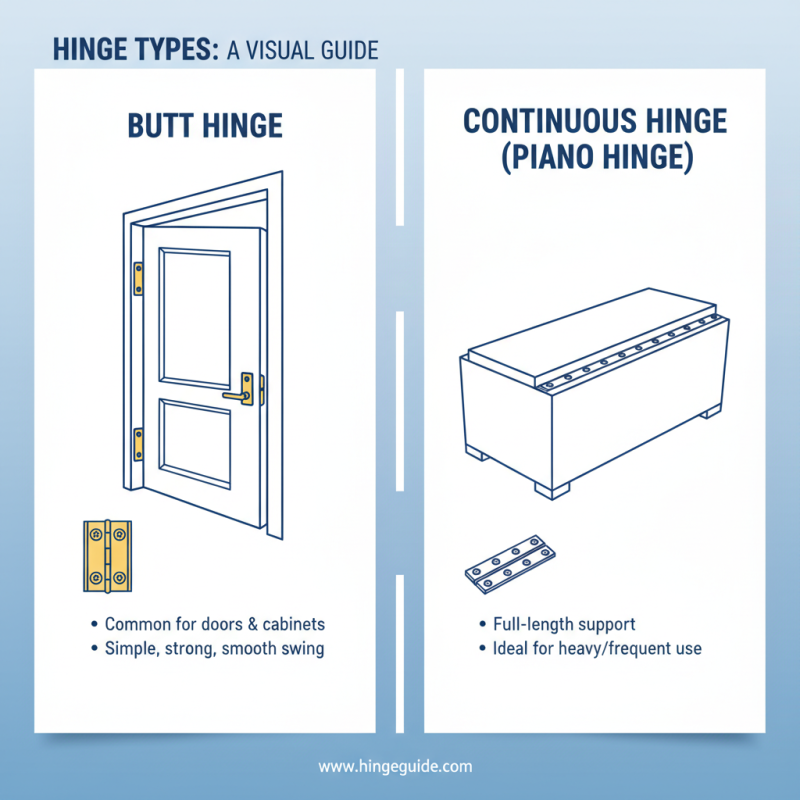
When it comes to selecting hinges, understanding the different types is crucial. There are numerous options to consider, each with specific applications. For example, butt hinges are common for doors and cabinets. They are simple but effective, allowing doors to swing open smoothly. Continuous hinges, on the other hand, provide support across the entire length of a door. This can be beneficial for heavy or frequently used doors.
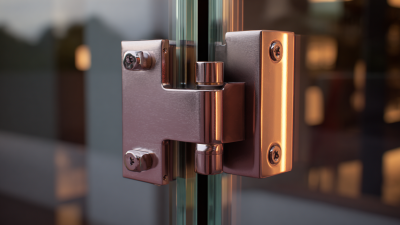
Another popular type is concealed hinges. These hinges are hidden inside the cabinet, maintaining a sleek look. However, installation can be tricky. Some may struggle with the alignment, leading to doors that don’t close properly. Pivot hinges work differently. They allow doors to pivot at the top and bottom, ideal for modern designs. Yet, their unique mechanics can pose challenges if not installed accurately.
Finally, consider the material of the hinge. Stainless steel hinges offer durability and resistance to corrosion, while brass hinges add an elegant touch. Many overlook the significance of weight load. A hinge that cannot support the door or drawer will lead to dissatisfaction. It’s important to reflect on your specific needs and match them with the right hinge type.
Key Factors to Consider When Choosing Drawer Slides
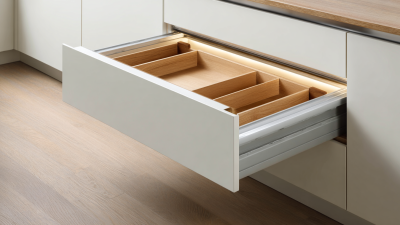
Choosing the right drawer slides is crucial for functionality and aesthetic appeal. Consider weight capacity first. If you plan to store heavy items, opt for slides that can handle more weight. Light-duty slides are fine for lighter items but may not last. Check for smooth operation too. A drawer that sticks can be frustrating.
Material matters as well. Metal slides often provide durability, while plastic ones may not last as long. Think about the environment too. Will the slide fit your decor? Color and finish impact design. A mismatched slide can ruin a look.
Installation can be a hassle. Make sure you understand the requirements before starting. Some may find measuring tricky. Remind yourself that a proper fit is vital for smooth function. If the slides don't align, the drawer won't work well. Reflect on this complexity. Taking time to understand options improves your project. Don’t rush; it can lead to regrettable choices.
Important Measurements for Proper Hinge and Drawer Installation
When it comes to installing hinges and drawers, accurate measurements are critical. The width of your cabinet or door must be correctly measured. A small error in width can lead to misalignment. It is essential to check the height as well. The height of the drawer is just as important as its width.
Another important factor is the hinge overlay. This measurement indicates how much of the cabinet frame will be covered by the door. It should be noted that not all cabinets share the same overlay dimension. Somehow, this simple distinction is often overlooked. An incorrect overlay can create gaps or prevent proper closing.
Don't forget to measure the depth of the cabinet. This affects how far the drawer extends. A shallow drawer can lead to frustration when trying to access items stored inside. Lastly, double-check all these measurements before making any cuts or purchases. It may save you from a lot of trouble later. A few minutes spent on measurements can save hours of work.
Material Selection for Durability and Aesthetics in Hinges
When choosing hinges, material selection plays a crucial role in both durability and aesthetics. Metal hinges, like stainless steel, offer strength and resistance to corrosion. They are ideal for heavy doors and environments with moisture. However, they can sometimes be too industrial for certain styles.
On the other hand, plastic hinges provide a lightweight alternative. They’re often used in cabinetry and fixtures where weight isn’t a concern. While they resist rust, they may lack the same strength. It's important to consider the intended use before making a choice. Will it hold doors or drawers?
Wooden hinges can add warmth and charm. However, they are susceptible to wear and may require more maintenance. Finding the right balance between the visual appeal and functional strength is key. Sometimes, the right material may not be immediately obvious, leading to regret later. Testing various options can guide you toward the perfect solution.
Material Selection for Durability and Aesthetics in Hinges
Maintenance Tips for Prolonging the Life of Hinges and Drawers
Maintaining hinges and drawers is essential for longevity. Research indicates that proper maintenance can extend the lifespan of hardware significantly. For example, lubricating hinges every six months can reduce friction and wear. Regular checks on screws and fasteners can prevent sagging and misalignment.
Cleaning is often overlooked. Dust and debris accumulate, causing hinges to stick. A simple wipe with a damp cloth can prevent this. It’s crucial to inspect your drawers for signs of damage. Even small cracks can lead to larger issues over time.
Many homeowners neglect these small details. An eye for maintenance can save money in the long run. According to industry reports, 30% of hardware failures occur due to neglect. Taking proactive steps with hinges and drawers can ensure they serve you well for years. Regular attention to these parts is not just customer service, it's essential home care.
Essential Tips for Choosing Hinges, Guides, and Drawers
| Aspect |
Description |
Maintenance Tips |
| Hinge Type |
Choose between concealed, pivot, or continuous hinges based on your application. |
Regularly lubricate to prevent rust and ensure smooth operation. |
| Material |
Select materials like stainless steel or brass for durability and resistance to corrosion. |
Keep clean and free from debris to avoid wear and tear. |
| Load Capacity |
Ensure the hinge can support the weight of the door or drawer. |
Check for signs of strain and replace any worn-out parts promptly. |
| Installation Method |
Consider if you will need screws, nails, or adhesive for installation. |
Follow manufacturer guidelines for installation to prevent damage. |
| Drawer Guides |
Choose between ball-bearing and roller guides for smooth movement. |
Regularly check alignment and adjust as needed to maintain function. |