How to Choose the Best Adjustable Hinge for Your Project?
When selecting the best adjustable hinge for your project, several factors must be considered. The global hinge market was valued at approximately $3 billion in 2020, with adjustable hinges gaining increased traction. These hinges offer versatility, ensuring adaptability for various applications in both residential and commercial spaces.
Adjustable hinges allow for precise alignment, crucial for ensuring doors and gates function smoothly. A poorly chosen adjustable hinge can lead to misalignment. This not only affects aesthetics but also functionality. Reports indicate that 25% of construction errors stem from hardware choices. Selecting the right adjustable hinge can mitigate potential issues and enhance longevity.
Yet, not all adjustable hinges are made equal. Manufacturers often provide various specifications, making the selection daunting. Reflecting on industry data, it's clear that the right hinge significantly improves project outcomes. An adjustable hinge can transform an ordinary project into a structural success, but the wrong choice can compromise functionality.
Understanding the Different Types of Adjustable Hinges Available
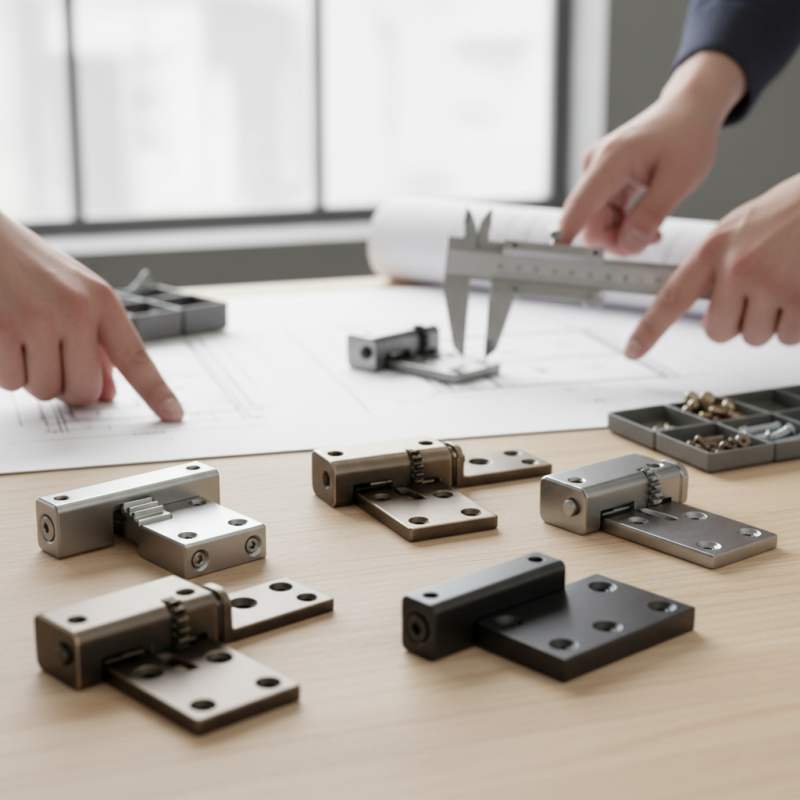
Adjustable hinges come in various types, catering to different needs. The most common type is the pivot hinge. This hinge allows a door to swing open and close smoothly. Another type is the continuous hinge, which runs the entire length of the door. It offers enhanced support, ideal for heavy doors. Both types have their advantages and disadvantages.
Specialty hinges also exist. For instance, spring-loaded hinges automatically close doors. They are great for high-traffic areas where doors should remain closed for safety. On the other hand, piano hinges provide uniform weight distribution. This feature is important for larger applications. However, considerations like installation difficulty may arise.
When choosing an adjustable hinge, consider the project scope. Think about the door's weight and size. Also, evaluate the space available for installation. While multiple types exist, not all may suit your needs. It’s essential to test the options before finalizing a choice. Sometimes, the most popular choice might not be the best one.
Key Factors to Consider When Choosing Adjustable Hinges
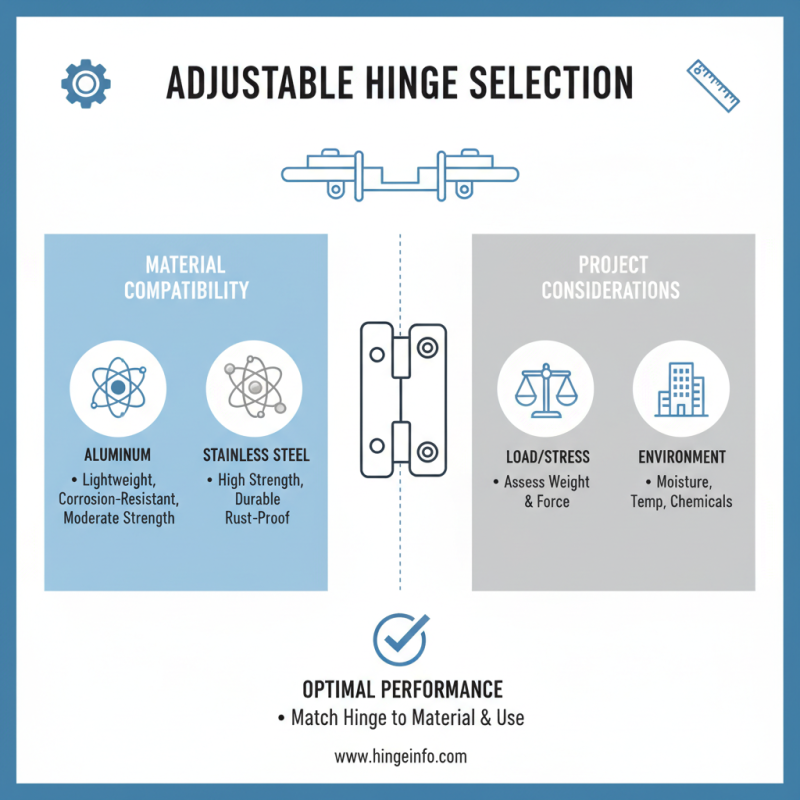
Choosing the right adjustable hinge requires careful consideration of several key factors. Firstly, assess the weight and size of the doors or cabinets you plan to install. Heavier doors often need sturdier hinges. They should support the weight and allow smooth movement. If the hinge does not match the door size, functionality will be compromised.
Next, look into the material used for the hinge. Common options include stainless steel, brass, and plastic. Each material has its strengths and weaknesses. Stainless steel is durable, while brass offers an aesthetic touch. Plastic, on the other hand, can be less robust. It's essential to think about the environment too. Humidity or heat could affect hinge performance.
Consider adjustability features carefully. Some hinges offer easy adjustments without disassembly, which is a plus for DIY projects. However, others may require tools, making installation trickier. Reflect on how often you expect to make adjustments. If you anticipate frequent changes, simpler mechanisms are better. Remember, the right hinge can make a difference but finding it might take time and experimentation.
Assessing Weight Capacity and Durability Requirements for Your Project
Choosing the right adjustable hinge can be tricky. A crucial step is assessing the weight capacity. Each project has unique demands. For lighter doors, a basic hinge may suffice. Heavier applications require robust options. Consider materials like steel or reinforced composites.
Durability is equally important. Some environments are harsher than others. Humidity or temperature fluctuations can wear out cheap hinges quickly. Look for products that maintain integrity over time. A durable hinge will save costs in the long run.
However, it’s easy to overestimate needs. A heavy-duty hinge for a lightweight task may be overkill. Doing so can complicate installation. Take time to evaluate your project thoroughly. Weight capacity and durability should align perfectly for optimal performance.
How to Choose the Best Adjustable Hinge for Your Project?
| Hinge Type |
Weight Capacity (lbs) |
Material |
Adjustability Range (degrees) |
Durability Rating |
| Standard Adjustable Hinge |
200 |
Steel |
180 |
Moderate |
| Heavy-Duty Adjustable Hinge |
500 |
Stainless Steel |
270 |
High |
| Lightweight Adjustable Hinge |
100 |
Aluminum |
90 |
Low |
| Weather-Resistant Adjustable Hinge |
250 |
Zinc-Coated Steel |
180 |
Moderate |
Installation and Maintenance Tips for Adjustable Hinges
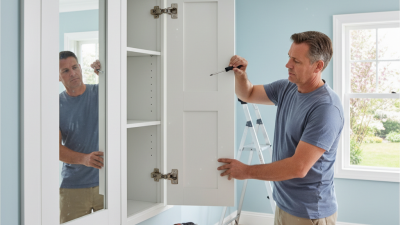
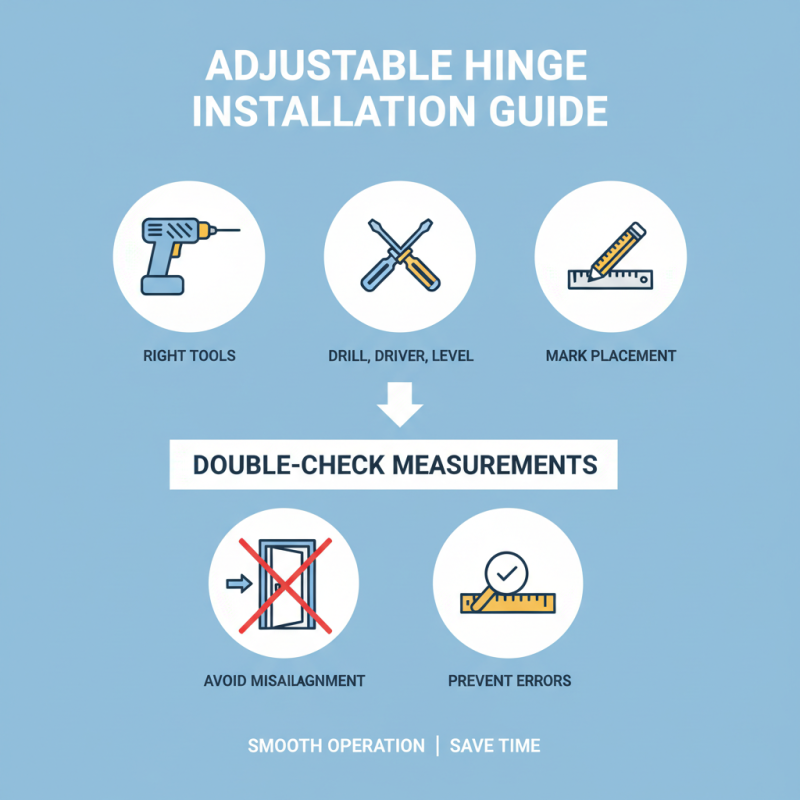
When installing adjustable hinges, ensure you have the right tools. A drill, screwdriver, and a level are essential. Mark the hinge placement carefully. Misplaced hinges affect door alignment. It's best to double-check your measurements. A small error can lead to frustrating adjustments later.
Maintenance is also key. Regularly check the hinges for smooth movement. If they become stiff, they might need lubrication. Use a suitable lubricant to keep them functioning well. This simple step can extend their lifespan. Don’t ignore any squeaking noises, as they can signal wear.
Pay attention to how you use the door. Improper usage can lead to premature hinge failure. Always avoid slamming the door, as it puts strain on the hinges. If they feel loose, tightening screws can help. However, over-tightening may damage the hinge, so be gentle. Adapting your approach to maintenance can make a significant difference over time.