Choosing Sliding Doors And Rails for global sourcing demands more than comparing catalog prices. The right system must fit the building, climate, installation skill, and expected daily use. A rail that glides quietly in a showroom may collect dust, weaken under uneven loading, or corrode near a humid coast. Those details matter.
Architect Ludwig Mies van der Rohe famously said, “God is in the details.” His words apply strongly to sliding-door sourcing. Small decisions shape the final result: stainless-steel grade, wheel diameter, track alignment, soft-close strength, adjustment range, and replacement-part availability. A professional buyer should request load-test records, material specifications, installation drawings, and samples before approving a large order. Factory audits and clear quality checkpoints add practical confidence.
Do not trust appearance alone. A polished finish can hide poor tolerances. Ask how the supplier measures rail straightness and tests repeated opening cycles. Confirm packaging protection, carton dimensions, labeling, and spare-hardware support. These choices affect freight damage, installation time, and long-term maintenance.
Still, no sourcing plan is perfect. Local installers may interpret drawings differently. Product samples may not represent every production batch. Even experienced buyers can overlook noise, floor movement, or user accessibility. That is why trial installation matters. Test the door with realistic weight, dust, moisture, and repeated movement. Global sourcing works best when price is only one part of the decision, while verified performance, communication, and service carry equal weight.
Before sourcing sliding doors and rails, define the project’s actual performance goals. Measure the opening width, panel weight, installation surface, traffic frequency, and exposure to wind or moisture. A residential balcony needs different tolerances from a hotel corridor or a warehouse office.
Energy performance deserves early attention. The International Energy Agency’s Buildings 2023 report states that buildings consume about 30% of global final energy. Poorly sealed sliding doors can increase drafts, noise, and maintenance costs. Set measurable targets for air leakage, water resistance, thermal transmission, cycle durability, and sound reduction. Request test methods, sample reports, and tolerances, not only attractive product photographs. A low quote may still be a poor decision.
Tips: Create a one-page requirement sheet before contacting suppliers. Specify rail material, roller load capacity, corrosion exposure, safety stops, replacement parts, packaging protection, and installation tolerances. Ask for performance results from recognized standards, such as ASTM or EN test procedures, where applicable. Check whether results represent the complete door assembly, not just the glass or frame. Small details matter. In project reviews, teams often overlook floor unevenness until installation begins. That mistake is avoidable, although real sites rarely behave perfectly. Leave practical adjustment space, and verify samples under realistic loading before approving a global order.

Sliding door selection should follow the building’s use, climate, and traffic pattern. The 2023 Global Status Report for Buildings and Construction reports that buildings create about 37% of global energy-related carbon emissions. Airtightness and glass performance therefore matter beyond appearance.
For homes, a standard lift-and-slide door offers smooth movement and strong weather sealing. For hotels, schools, and offices, wider multi-panel systems improve circulation but demand stronger rails.
Pocket doors save wall space. They need accurate cavity construction and careful drainage.
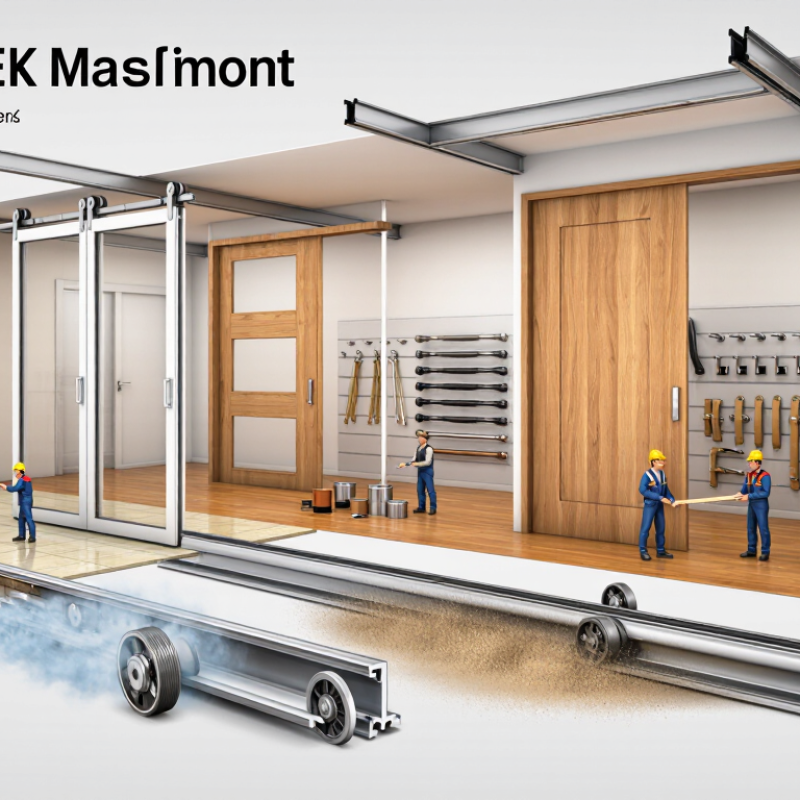
A top-hung system keeps the floor rail visually clear, which suits retail interiors and accessible routes. However, the head track carries major loads and needs reliable structural support. Floor-rolling doors tolerate heavier panels, but dirt can quickly affect wheel movement.
Coastal buildings need corrosion-resistant hardware and protected fasteners. Automatic doors may help hospitals and busy entrances, yet sensors require regular testing and service access. Small details matter. I once underestimated cleaning clearance around a recessed rail.
The U.S. Department of Energy states that windows can represent 25%–30% of residential heating and cooling energy use. Ask suppliers for verified U-factor, solar heat gain, air leakage, and water penetration results. NFRC labels can support comparisons where applicable.
For international sourcing, request testing to EN 14351-1, ASTM E330, or the relevant local standard. Check complete assemblies, not glass alone.
Rail length, panel weight, rollers, drainage, packaging, and replacement parts should appear in the quotation. A low purchase price can hide expensive installation corrections.
A sliding door may look simple, but its rail carries repeated stress every day. In sourcing projects, I compare stainless steel, coated steel, and aluminum rails against humidity, dust, and expected use. Stainless steel resists corrosion well, while aluminum reduces weight but may deform under heavy loads. Coated steel can offer strength and value, yet damaged coating may expose the rail to rust.
Measure twice.
Load ratings need more than a single impressive number. Ask whether the rating covers the complete door weight, impact, and repeated cycles. A rail rated for 100 kilograms may perform poorly if the door is slammed or installed unevenly. Request test conditions, cycle counts, safety margins, and batch inspection records. These details make supplier claims easier to verify.
Operating mechanisms also affect service life. Ball-bearing rollers usually move smoothly under heavier loads, while simpler wheel systems may suit lighter doors. Check adjustment access, replacement parts, lubrication needs, and noise during movement. A practical factory test should include a weighted door, dusty conditions, and at least several hundred opening cycles.
I once focused too heavily on material strength and overlooked roller alignment. The rail was strong, but the door still dragged. That mistake changed my sourcing checklist.
Sample approval should include installation tolerances, packaging protection, and clear maintenance instructions.
Small gaps matter.
When sourcing sliding doors and rails, supplier quality should be checked beyond catalog photographs. Request material specifications, dimensional tolerances, load ratings, cycle-test results, and corrosion-test records. Ask for batch traceability, not only a polished factory presentation. The ISO Survey 2023 recorded 1,265,216 ISO 9001 certificates worldwide. That number shows broad adoption, but certification alone cannot prove consistent rail alignment or smooth door movement. Small details matter.
Review certificates through the issuing body and confirm their scope matches the actual production site. For metal rails, examine coating thickness, salt-spray methods, and evidence of incoming-material inspection. For rollers and fasteners, request samples from normal production, not specially prepared samples. The International Trade Centre reports that technical requirements and conformity procedures remain significant obstacles in international trade. Local testing may still be required. This is easy to overlook.
Trade compliance needs the same discipline. Confirm the correct HS classification, country of origin, commercial invoice data, packing details, and Incoterms before shipment. Screen suppliers and logistics partners against applicable sanctions and export-control requirements. The World Bank’s 2023 Logistics Performance Index used thousands of international trade assessments across 139 economies, highlighting differences in customs reliability and shipment tracking. A supplier may be excellent, yet its paperwork can still delay a container. I have seen sourcing teams overtrust certificates and undercheck documents. That mistake deserves a second look.
When sourcing sliding doors globally, calculate the complete cost before comparing quotations. Include panels, rails, handles, protective packaging, freight, insurance, duties, and local delivery. A low factory price can become expensive after oversized-crate charges. Measure the opening, wall condition, and available clearance carefully. Small errors can delay installation.
Installation also affects the budget. Confirm whether the rail needs reinforced framing, special anchors, or additional labor. Ask for drawings, tolerance limits, material specifications, and test information.
In my experience, installation failures often come from unclear site measurements rather than poor door quality. I once underestimated floor unevenness. That mistake required extra shims and several hours of adjustment.
Tips: