How to Choose Heavy Duty Aluminum Door Hinges for Durability?
When selecting Heavy Duty Aluminum Door Hinges, durability is a primary concern. These hinges are essential for supporting the weight of doors that experience frequent use. They must withstand wear and tear to ensure long-lasting performance.
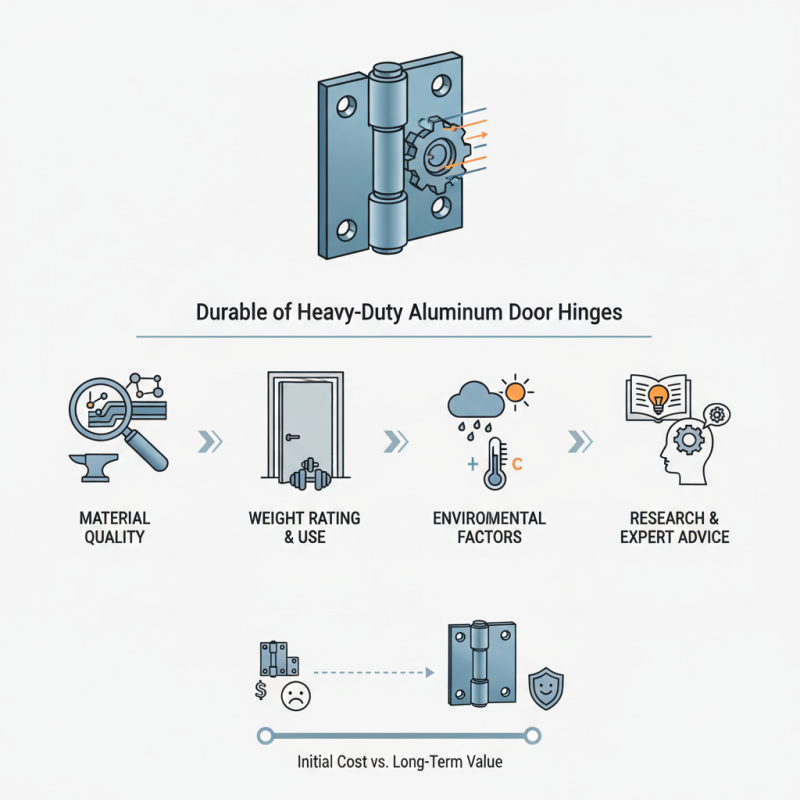
Quality hinges contribute significantly to the overall functionality of doors. Poor choices can lead to malfunctioning doors, resulting in security issues and repair costs. A careful selection process should involve examining material quality, rating, and intended use. Consider the environmental conditions that the hinges will face, such as exposure to moisture or extreme temperatures.
While many options are available, not all heavy-duty hinges meet the required standards. This can be frustrating for buyers looking for reliable products. Research and expert recommendations can guide your choices. Read reviews and gather insights from professionals to ensure you make a sound decision. Avoid haste in the selection process to prevent costly mistakes. Quality hinges may have a higher upfront cost, but they often pay off in the long run.
Factors to Consider for Heavy Duty Aluminum Door Hinges
Choosing the right heavy-duty aluminum door hinges is crucial for ensuring longevity and reliability. One primary factor to consider is the load-bearing capacity. Check how much weight the hinge can support. It should match or exceed the door's weight for optimal performance. Another key aspect is the material quality. Opt for hinges made with high-grade aluminum. This ensures resistance to corrosion and wear over time.
Next, consider the hinge design. There are various styles, such as continuous or butt hinges. Each type offers different benefits. Continuous hinges provide greater support along the entire length. Butt hinges are compact and suitable for most standard doors. Don't overlook the finish as well. A powder-coated or anodized finish can enhance durability and aesthetics.
Lastly, look into installation requirements. Some hinges may need specific screws or additional tools. Ensure the hinge you select fits your installation needs. It’s good to think about long-term use. Reflect on your choice and verify all factors align. Picking the right heavy-duty aluminum door hinge isn’t just a task; it's an investment in stability and functionality.
Durability Comparison of Heavy Duty Aluminum Door Hinges
Types of Heavy Duty Aluminum Door Hinges Available
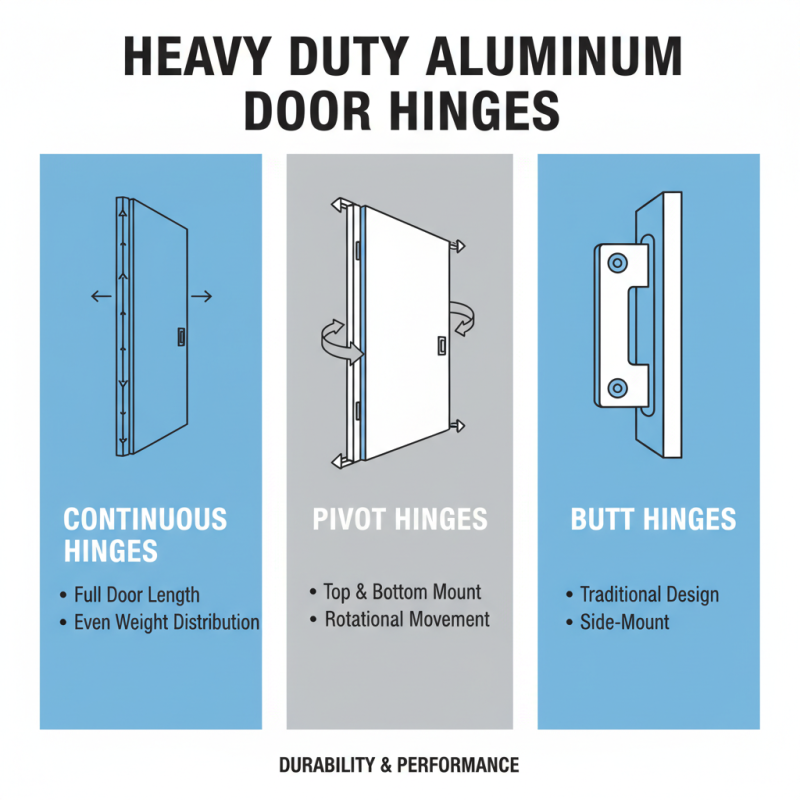
When selecting heavy-duty aluminum door hinges, understanding the types available is crucial for durability and performance. There are typically three main types: continuous hinges, pivot hinges, and butt hinges. Continuous hinges run the full length of the door, providing even weight distribution. This design minimizes sagging and wear over time.
Pivot hinges are best for doors that need a wide opening range. They pivot at the top and bottom, which allows effective movement. For standard applications, butt hinges are commonly used. These consist of two plates joined by a pin, making them reliable for many door styles.
Tips: When choosing hinges, consider the door’s weight and usage frequency. A heavier door may require continuous hinges for extra support. Look for hinges made from high-grade aluminum to resist corrosion.
Selecting the right hinge type can reduce maintenance costs. Research shows that poor hinge selection leads to increased wear. This not only impacts door functionality but also poses safety risks. In a survey by the Door Hardware Institute, almost 25% of establishments reported hinge-related issues. This highlights the importance of making informed choices in hinge selection.
Material Quality and Finish for Enhanced Durability
Choosing heavy-duty aluminum door hinges requires attention to material quality and finish. The right material ensures durability and long-lasting performance. High-grade aluminum alloys offer excellent strength-to-weight ratios, making them ideal for heavy-duty applications. Look for hinges that mention corrosion resistance. This feature prolongs their lifespan, especially in environments exposed to moisture.
Finish plays a critical role as well. A well-applied anodized finish enhances the hinge's resistance to wear and environmental factors. It also maintains aesthetic appeal over time. Some hinges may have a painted finish, but this can wear off. An anodized surface, however, is integral to the metal itself, providing a robust barrier that resists scratches.
Consider the design's compatibility with door weight. Not all heavy-duty hinges are created equal. Some might appear strong but fail under significant stress. It’s important to consult specifications from reputable sources. Reflect on your needs, and ensure the hinges selected match your durability requirements. Always weigh options carefully, as the right choice can save money and effort in the long run.
Weight Capacity and Load-Bearing Requirements
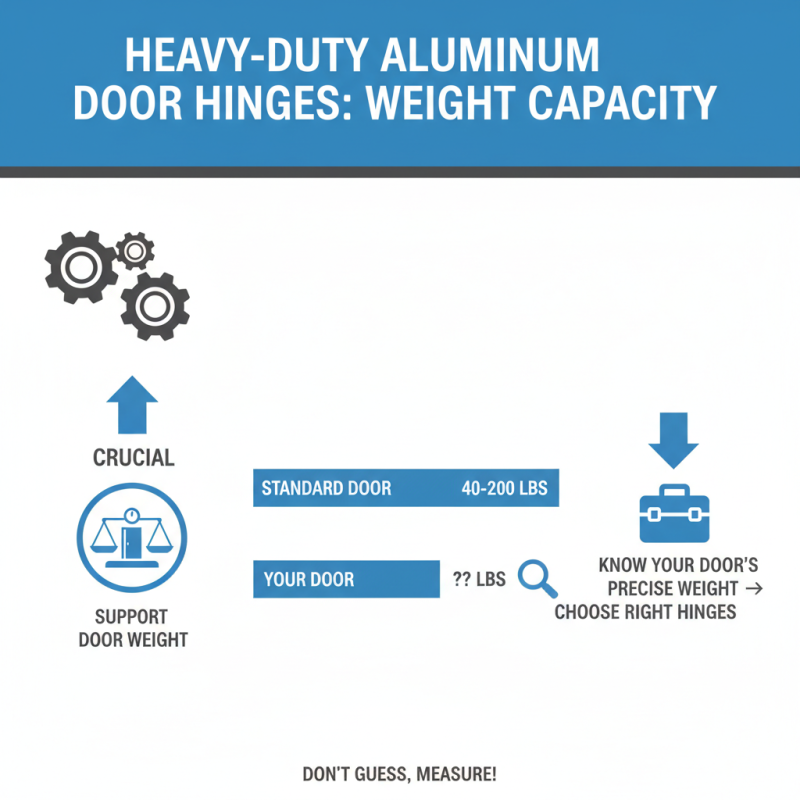
When selecting heavy-duty aluminum door hinges, understanding weight capacity is crucial. Each hinge must support the door's weight effectively. A standard door can weigh between 40 to 200 pounds. It is vital to know the precise weight of your door. This knowledge guides you in choosing the right hinges.
Additionally, consider the load-bearing requirements. Heavy-duty hinges are often rated by their load capacity. For example, a hinge may support up to 300 pounds, but using it on a lighter door does not mean it will perform at its best. A heavier hinge might lead to unnecessary wear on the door frame. The installation process also matters; hinges must be correctly positioned to distribute weight evenly.
Heavy-duty aluminum hinges can offer great benefits, but improper selection can lead to failures. Reflect on the environment where the hinges will be used. Humidity, temperature, and exposure to elements can affect performance. Don't overlook these factors. In the end, thorough research will lead to a reliable choice that ensures durability and longevity.
Installation Tips for Optimal Performance and Longevity
When installing heavy-duty aluminum door hinges, a few key tips can enhance performance and longevity. Begin by ensuring that the hinges are the right size for the door. Measure both the door and the frame accurately. Incorrect dimensions can lead to misalignment. Misalignment stresses the hinges and accelerates wear.
Next, pay attention to the installation process. Use the appropriate screws for your hinges. High-quality screws provide stability and resist rusting. Predrilling screw holes can prevent the wood from splitting. This step, while simple, can make a significant difference. Ensure you use a level to align the door correctly. An uneven door can cause the hinges to fail prematurely.
Consider lubrication as well. Regular lubrication of the hinges can prevent squeaking and rust. Use a silicone-based lubricant for best results. It is important not to overload the hinges beyond their recommended capacity. Each hinge has a weight limit that, if exceeded, compromises their integrity. Evaluate your usage regularly to ensure they meet expectations. These simple steps can extend the lifespan of your aluminum door hinges significantly.
How to Choose Heavy Duty Aluminum Door Hinges for Durability? - Installation Tips for Optimal Performance and Longevity
| Dimension |
Description |
Recommendation |
| Material |
Heavy-duty aluminum with corrosion resistance. |
Choose hinges made from anodized aluminum for extra protection. |
| Weight Rating |
Max load capacity per hinge. |
Hinges should support at least 100 lbs per door. |
| Pin Type |
Type of hinge pin providing security and ease of maintenance. |
Consider removable pins for easier door installation and maintenance. |
| Finishes |
Surface treatment that enhances durability. |
Choose a powder-coated finish for improved weather resistance. |
| Hinge Size |
Dimensions of the hinge, affects strength and appearance. |
Select a hinge size that is proportionate to the door dimensions. |