China Top Hinges Guides Drawers for Your Procurement Needs?
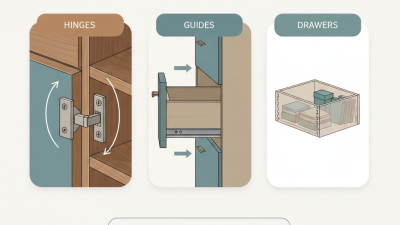
When it comes to optimizing your procurement process, understanding the nuances of Hinges-Guides-Drawers is essential. China's manufacturing sector offers a vast array of options that cater to diverse needs. Quality hinges and guides not only enhance functionality but also contribute to the longevity of drawer systems.
In the competitive market, sourcing hinges and guides from established suppliers ensures reliability. However, it can be overwhelming given the number of choices available. Not all products meet international standards, which emphasizes the need for thorough evaluation. Identifying reputable manufacturers is crucial for making informed decisions.
It's vital to consider the specific requirements of your projects. Not every hinge or guide is suitable for every drawer. Sometimes, compromises are necessary, leading to potential trade-offs between cost and quality. Being aware of these aspects can help streamline your purchasing experience. Trust, expertise, and quality should be at the forefront when navigating this landscape.
China’s Leading Manufacturers of Drawer Hinges: An Overview
When exploring China’s drawer hinge manufacturing landscape, one can discover a robust market. Reports indicate that the country holds a significant share of the global drawer hinge market, estimated to reach USD 3 billion by 2025. This growth is largely driven by the rise in furniture production and consumption. Manufacturers in China are known for producing a wide range of hinges that cater to various applications. From soft-close capabilities to heavy-duty options, the choices available are vast.
Choosing the right hinge is crucial. Consider the weight and size of your drawers. Overloading with heavy materials can lead to poor performance. Select products that are designed for specific weight limits. Quality matters, too. Look for hinges made from durable materials like stainless steel or zinc alloys.
Tip: Always check the manufacturer's specifications before purchase. This helps ensure the hinge will work well with your designs. Furthermore, getting samples can provide direct insight into the product's quality and performance. Remember, poor choices now can lead to disappointment later. Focusing on robust options can pave the way for successful drawer installations.
China's Leading Drawer Hinges Production Overview
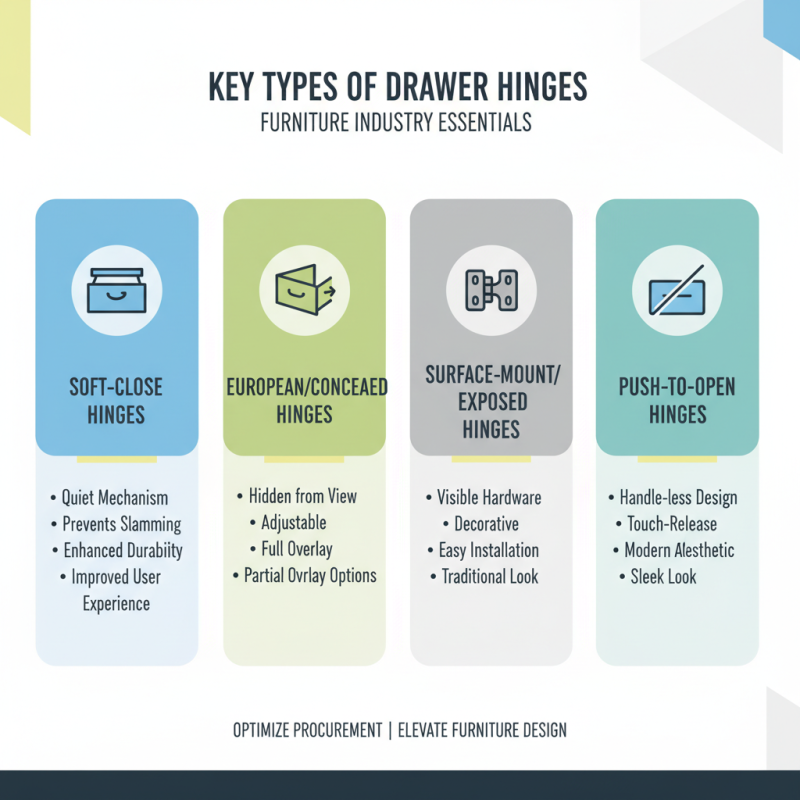
Key Types of Drawer Hinges Used in the Furniture Industry
When it comes to drawer hinges in the furniture industry, understanding the key types can greatly enhance procurement processes. There are several commonly used types that cater to various styles and functionalities. For instance, soft-close hinges are a popular choice. They provide a quiet closing mechanism, preventing slamming. This feature ensures longer durability and a more pleasant user experience.
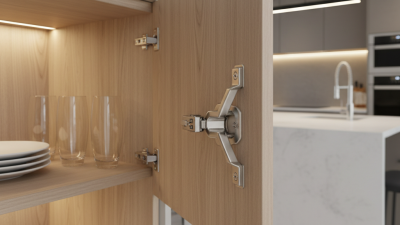
Another common type is the concealed hinge. This design offers a sleek appearance, hiding the hardware when the drawer is closed. It maximizes aesthetic appeal in modern furniture. However, these hinges can be tricky to install, which may lead to frustration for some manufacturers. Ensuring proper alignment is crucial for optimal performance. Misalignment can result in uneven closing or damage over time.
Finally, pivot hinges are worth noting. They allow for unique drawer movements and are often used in specialized furniture designs. While providing flexibility, they may not always support heavy loads effectively. This can become a concern when crafting robust furniture pieces. It's essential to evaluate the specific requirements before making a decision. Each hinge type has its benefits and drawbacks, and careful consideration is needed for a successful selection.
Market Demand and Trends for Drawer Hinges in China
The demand for drawer hinges in China has surged as the market evolves. According to recent industry reports, the drawer hinge market is expected to grow at a CAGR of 5.2% through 2025. This growth reflects the increasing need for durable and efficient components in furniture production. Manufacturers are responding to this trend by focusing on quality and innovation.
As more consumers seek customizable furniture solutions, the variety of drawer hinge designs has expanded. Traditional hinges are now challenged by soft-close and concealed options. These options not only enhance usability but also add aesthetic value. Data shows that soft-close hinges have gained a significant share, appealing to both homeowners and designers.
Tip: When sourcing drawer hinges, consider the material and finish. Quality can greatly influence the longevity and performance.
The shift towards eco-friendly materials is notable as well. Manufacturers are exploring sustainable options to meet environmental standards. However, this transition presents challenges, particularly in maintaining performance while being environmentally conscious.
Tip: Always request samples to test before bulk orders. This practice helps ensure the hinges meet your specific requirements.
The drawer hinge market reflects broader trends in the furniture industry, emphasizing quality, innovation, and sustainability. Staying informed about these trends is crucial for successful procurement.
Quality Standards and Certifications for Drawer Hinges in China
When it comes to drawer hinges, quality standards and certifications in China play a crucial role. A recent industry report highlighted that over 70% of manufacturers seek compliance with international standards. This is essential for ensuring that products not only meet safety regulations but also perform reliably. Common certifications include ISO 9001, which guarantees consistent quality management, and CE marking, indicating compliance with European health and safety standards.
The market for drawer hinges has shown substantial growth, expected to reach USD 1.5 billion by 2025. Awareness of quality standards is increasing among both manufacturers and consumers. Many factories are adopting advanced measures to enhance product reliability. Nevertheless, there remains a gap in consistent adherence to these standards among smaller manufacturers. This inconsistency can lead to quality issues, affecting long-term customer satisfaction.
In recent years, the demand for environmentally friendly materials has risen. However, challenges remain in sourcing sustainable options without compromising on strength or durability. Some manufacturers have reported difficulties in balancing these needs, reflecting a broader trend toward sustainability within the industry. Constant feedback from users and ongoing research can help address these challenges, making it essential for companies to engage with industry experts regularly.
China Top Hinges Guides Drawers for Your Procurement Needs
| Hinge Type |
Material |
Load Capacity (kg) |
Standard Compliance |
Certification |
| Concealed Hinge |
Stainless Steel |
30 |
EN 15570 |
ISO 9001 |
| Piano Hinge |
Steel |
50 |
BS 4787 |
CE Marking |
| Continuous Hinge |
Aluminum |
40 |
ANSI/BHMA A156.26 |
UL Listed |
| Spring Hinge |
Brass |
25 |
ASTM F842 |
ISO 14001 |
| Overlay Hinge |
Zinc Alloy |
35 |
JIS B 2004 |
RoHS |
Impact of Technology on Drawer Hinge Production and Design
The impact of technology on drawer hinge production and design is significant. Recent industry reports indicate that automation has increased production efficiency by 30%. Advanced computer-aided design (CAD) tools enable more precise measurements and innovative designs. This shift towards technology improves product durability and aesthetic appeal.
However, not all manufacturers are keeping pace. Some are still reliant on outdated techniques, which can result in inconsistencies and lower quality. Data shows that companies embracing smart manufacturing are seeing a 15% reduction in waste. This exemplifies the need for the industry to adapt and invest in modern technology.
Tips: When sourcing drawer hinges, look for manufacturers using up-to-date technology. Ask for samples to assess quality before placing bulk orders. Staying informed on trends can enhance procurement strategies. Always consider the long-term costs of production methods, as technology can yield higher quality at lower costs over time. Making informed decisions leads to better outcomes in the long run.