2026 Top Cabinet Hinge Trends What Buyers Need to Know?
The landscape of cabinet hinge design is evolving rapidly as we approach 2026. Buyers need to stay informed about emerging trends that can enhance both functionality and aesthetics. Cabinet hinges play a critical role in the overall performance of cabinetry. Understanding these developments can significantly impact your purchasing decisions.
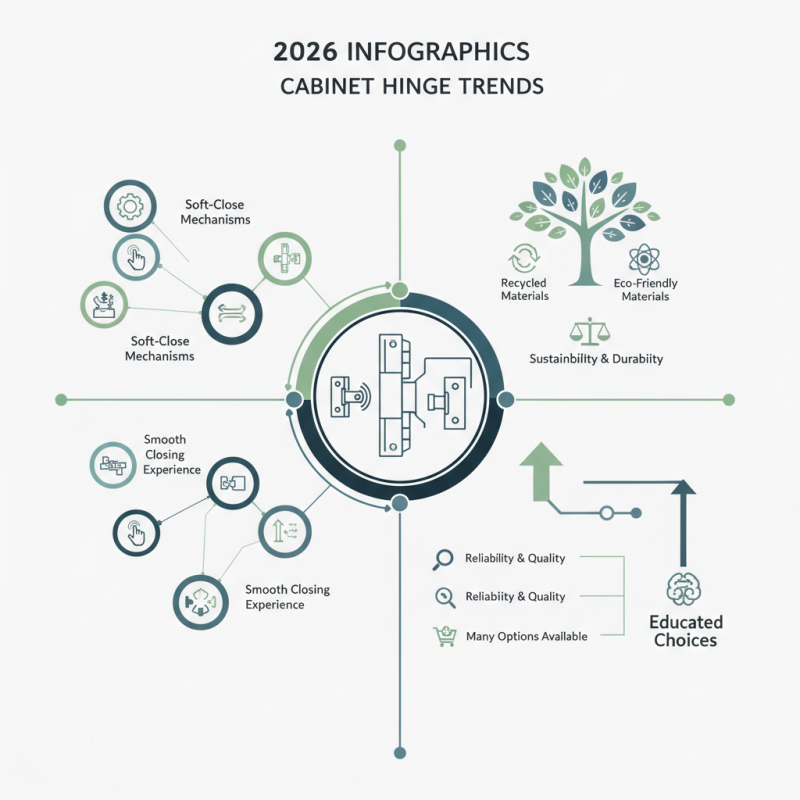
Innovative features continue to emerge in cabinet hinges. Soft-close mechanisms and integrated dampers are becoming standard. They provide a smooth closing experience, reducing wear and tear on cabinetry. However, not all hinges are created equal. There are many options available, and buyers must navigate these choices carefully. Reliability and quality differ across brands.
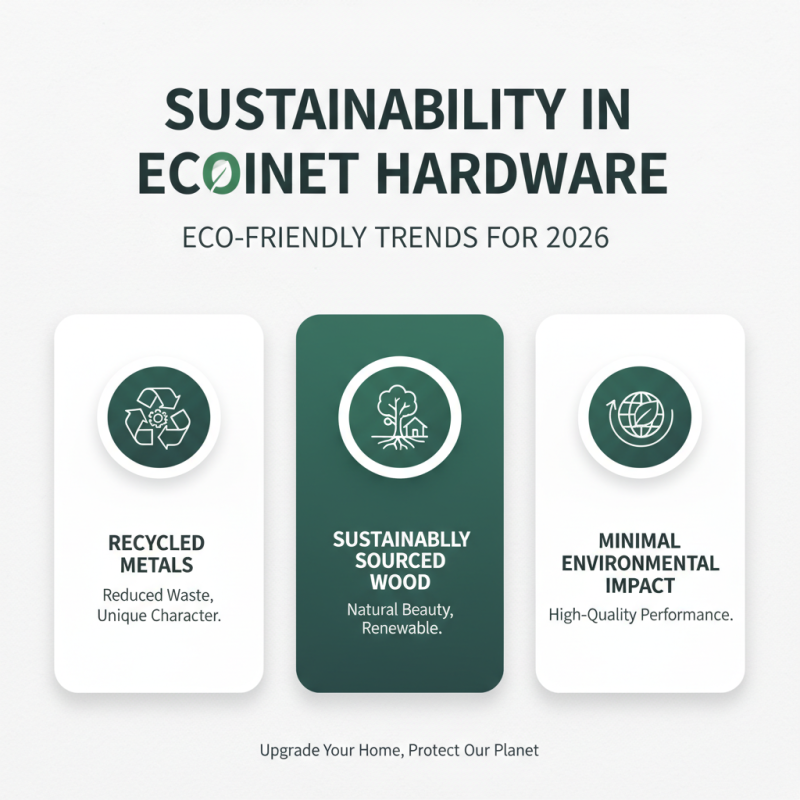
Moreover, the rising popularity of eco-friendly materials is noteworthy. Manufacturers are prioritizing sustainability, offering hinges made from recycled materials. This shift is promising but also requires consumers to assess the durability of these options. Embracing new trends in cabinet hinge design can elevate your space but demands thoughtful consideration. Stay informed to make educated choices for your cabinetry needs.
2026 Trends in Cabinet Hinge Design and Functionality
The cabinet hinge market is evolving rapidly. Trends are focusing on both design and functionality. According to a recent report by the Kitchen Cabinet Manufacturers Association (KCMA), 2026 will see a rise in hinges that combine aesthetics with durability. Rising consumer demand for sleek designs is pushing manufacturers to innovate.
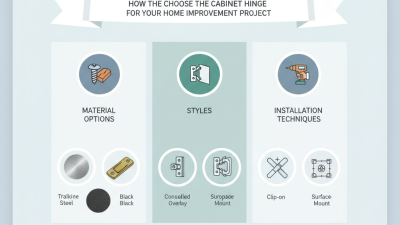
New materials are coming into play. For instance, stainless steel and composite materials are growing in popularity due to their strength and resistance to corrosion. These materials not only enhance appearance but also improve longevity, which is essential for modern households. Buyers should consider these factors when making a purchase.
**Tips:** Always check the weight capacity of the hinge. Proper weight distribution can prevent future issues. Opt for soft-close mechanisms; they enhance the user experience and reduce wear and tear.
Additionally, the shift towards sustainability is noteworthy. Eco-friendly hinges manufactured from recycled materials are becoming more available. However, not all eco-friendly products offer the same quality. Ensure you research the reliability of these products before deciding. The balance between sustainability and functionality will be a key focus for buyers in 2026.
2026 Top Cabinet Hinge Trends What Buyers Need to Know
| Trend |
Description |
Material |
Functionality |
| Soft-Close Mechanism |
Allows doors to close gently, preventing slamming. |
Steel, Zinc Alloy |
Enhanced user experience and safety. |
| Hinge-less Designs |
Innovative designs that eliminate traditional hinges. |
Composite Materials |
Sleek appearance and seamless functionality. |
| Adjustable Hinges |
Hinges that allow for height and angle adjustments. |
Aluminum, Stainless Steel |
Customization for perfect alignment. |
| Concealed Hinges |
Hidden hinges that offer a clean look. |
Steel, Brass |
Ideal for modern cabinetry. |
| Decorative Hinges |
Stylish options that enhance the cabinet aesthetics. |
Bronze, Antique Finish |
Add personality to cabinetry. |
Innovative Materials Driving the Future of Cabinet Hinges in 2026
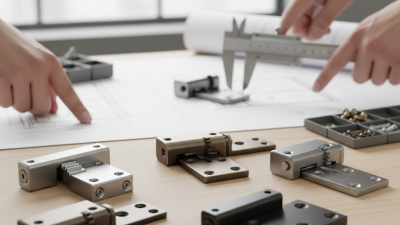
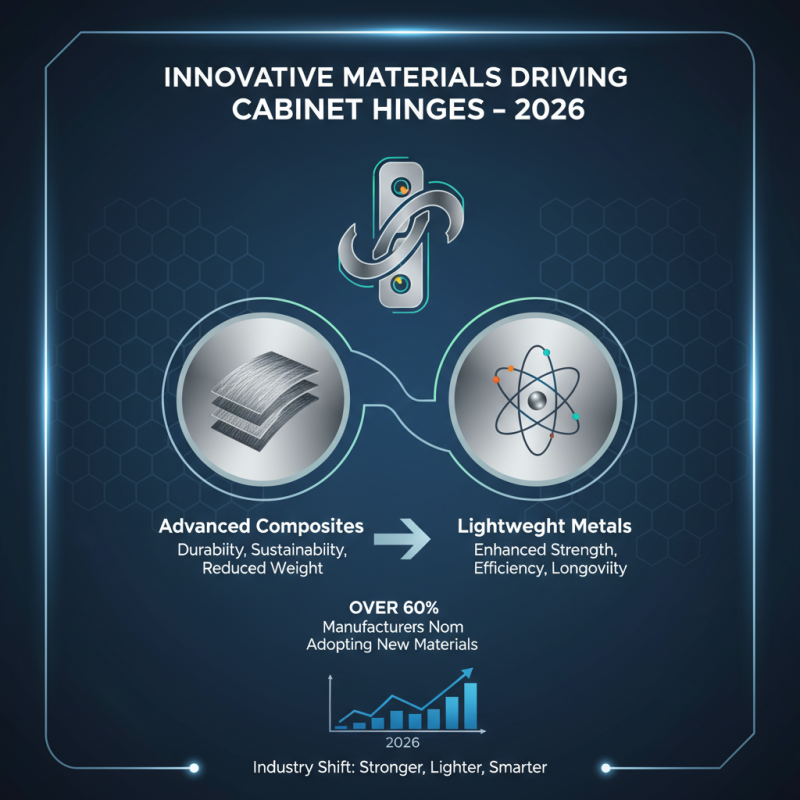
Innovative materials are revolutionizing cabinet hinges, making them more durable and efficient for modern designs. In 2026, buyers will notice a shift towards hinges made from advanced composites and lightweight metals. According to industry reports, over 60% of cabinet hinge manufacturers will adopt new materials that enhance strength while reducing weight. This trend not only supports sustainability but also improves the overall efficiency of cabinet systems.
Expect to see more hinges coated with protective finishes, which enhance resistance to corrosion and stains. This is crucial in kitchen environments where moisture and food particles can impact longevity. Additionally, many manufacturers are investing in self-closing technologies that provide convenience without compromising aesthetics. These innovations cater to a growing desire for smarter, user-friendly home solutions.
Tip: When selecting cabinet hinges, consider their weight capacity to ensure they match your cabinet's design. Also, evaluate the finish type to gain better protection against everyday wear. Remember, not all materials are created equal, and some may only look sturdy on the surface. Check for durability and warranties from manufacturers to ensure long-term reliability.
Market Demand: Statistics on the Growth of Cabinet Hinge Sales
The cabinet hinge market is experiencing significant growth, driven by rising home improvement projects. Recent statistics reveal a surge in cabinet hinge sales, reflecting changing consumer preferences. Homeowners are focusing on aesthetics and functionality. In 2022 alone, the market valued around $2 billion, with a continuous upward trend projected.
Manufacturers are adapting to this demand. Innovations in design and materials are becoming common. For instance, soft-close hinges are highly sought after. They enhance user experience by preventing slamming. This feature resonates with families and individuals alike. However, not all options are suitable for every cabinet. Homeowners need to consider weight and usage frequency.
Despite the thriving market, challenges remain. Some buyers struggle to find the right fit. Others get overwhelmed by myriad choices. Quality control can also vary significantly among manufacturers. It’s essential for buyers to research thoroughly. Reviews, specifications, and installation guides can provide valuable insights.
Consumer Preferences: What Buyers Are Looking for in Cabinet Hinges
In 2026, consumer preferences in cabinet hinges are evolving. Buyers are looking for hinges that offer both functionality and aesthetic appeal. Reports indicate that over 70% of consumers prioritize durability and smooth operation when choosing hinges. These features lead to a better user experience and longer lifespan.
Design trends also play a significant role. Many buyers prefer concealed hinges that provide a seamless look. A study revealed that 65% of homeowners appreciate the clean lines and modern feel of hidden hardware. However, some still prefer traditional exposed hinges for a vintage touch. This reflects an ongoing debate in design choices.
Sustainability is gaining traction, too. About 50% of consumers are now considering eco-friendly materials in their purchase decisions. However, the challenge remains: finding high-quality, sustainable options that do not compromise on performance. This complex landscape highlights the need for manufacturers to innovate and adapt to diverse consumer preferences. Balancing aesthetics, functionality, and environmental concerns is key in the current market.
2026 Top Cabinet Hinge Trends