2026 Best Sliding Doors and Rails What You Need to Know
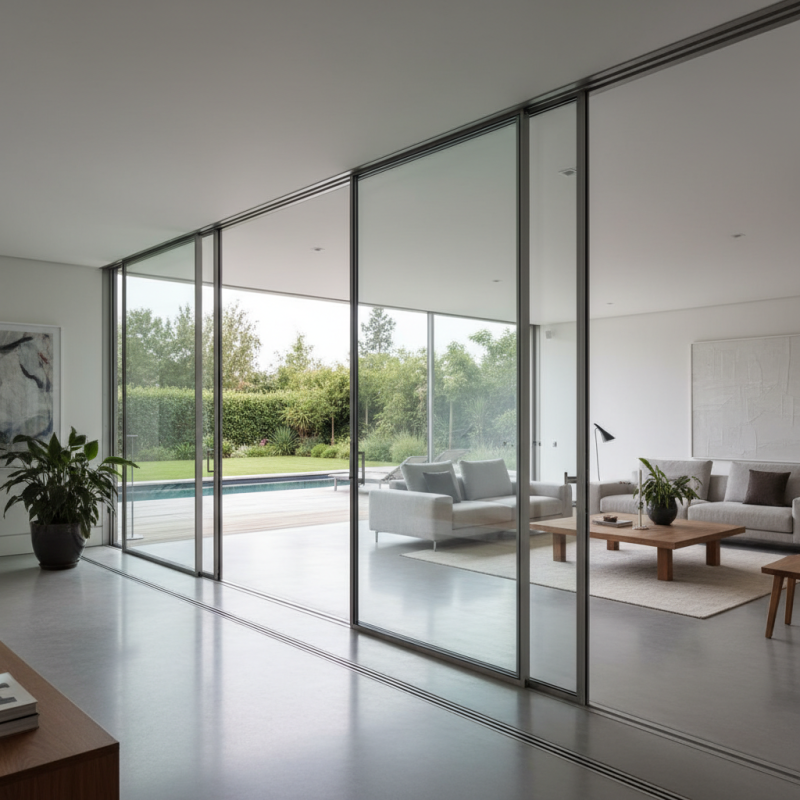
When considering home renovations, "Sliding Doors and Rails" can transform a space. They are not just functional; they also enhance your home’s aesthetics. In 2026, trends focus on sleek designs, durability, and ease of use.
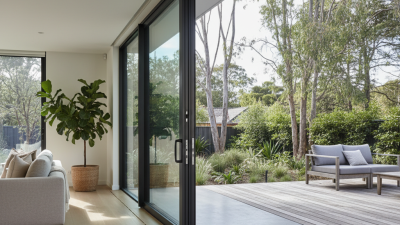
These doors provide a seamless transition between indoor and outdoor spaces. Imagine opening your living room to a patio with just a gentle push. However, choosing the right materials and styles can be overwhelming. There are many options, and not all may suit your needs.
Some designs may not hold up over time, leading to sags or misalignments. It’s crucial to consider quality and installation. Often, people overlook the importance of rails, which are vital for a smooth operation. Investing in these elements can save future headaches. While sliding doors offer many benefits, careful selection and reflection are necessary to ensure satisfaction.
Understanding Sliding Doors: Types and Designs for 2026
Sliding doors have evolved significantly in recent years. New designs and materials are making them more appealing for modern homes. According to a 2023 industry report, around 70% of homeowners prefer glass sliding doors for natural light. This is a big deal. But light alone isn't enough.
There are various types of sliding doors. For instance, pocket doors slide into the wall, creating more space in smaller rooms. Bi-fold doors, on the other hand, open entirely to create a seamless transition between indoors and outdoors. Reports show that bi-fold doors are gaining popularity, as they offer wide openings that enhance accessibility. However, installation can be challenging, leading to potential operational issues if not done correctly.
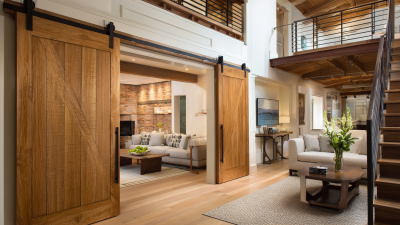
Several designs are hitting the market. Minimalist configurations feature sleek lines and larger glass panels, making spaces feel airy. However, they might lack privacy. Homeowners often overlook how framing and hardware impact functionality. The wrong choice can lead to resistance when opening or closing. Durability also matters; materials like vinyl and aluminum are sturdy but may not blend well with every aesthetic. These are considerations to ponder when selecting the perfect sliding door.
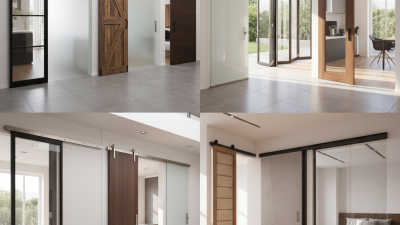
2026 Best Sliding Doors and Rails - Popular Types and Designs
Essential Features of Sliding Door Rails for Optimal Functionality
When selecting sliding door rails, functionality is key. The right rail system can affect how smoothly the doors operate. People often overlook essential features that improve usability.
High-quality materials make a difference. Steel or aluminum rails tend to offer better durability than plastic options. This can be crucial in long-term use.
Roller systems are another important aspect to consider. They should glide easily, without sticking or jumping. Look for options that have adjustable rollers. This allows for corrections if the door alignment is slightly off. A functional rail system should also handle the weight of your sliding doors well. If not, issues can arise sooner than expected.
Noise levels matter too. Some sliding door rails operate quietly, providing peace of mind. Others create annoying sounds when in motion. It’s often wise to test the sound before purchasing. Additionally, periodic maintenance is necessary; lubrication helps keep the rails clean and functioning smoothly. Neglecting this can lead to frustration later on.
Materials Matter: Best Choices for Sliding Doors and Rails
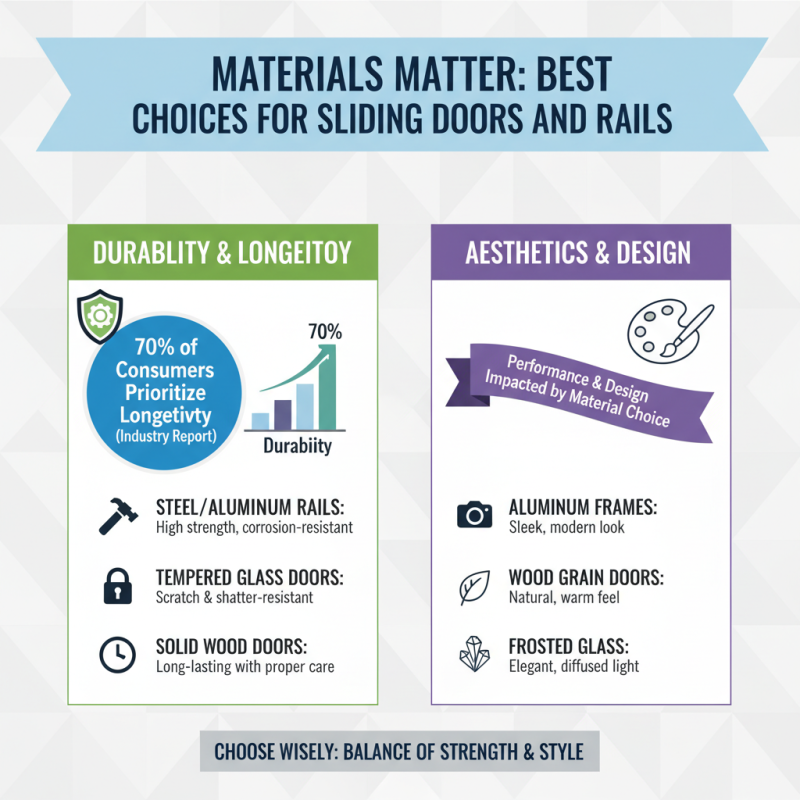
When choosing sliding doors and rails, materials play a crucial role. Most homeowners prefer materials that combine durability and aesthetics. According to a recent industry report, approximately 70% of consumers prioritize longevity in their purchases. This trend reflects a growing awareness of the impact that material choice has on both performance and design.
Wood, aluminum, and fiberglass are among the most popular options. Wood offers a warm, inviting look but may require more maintenance. Aluminum is lightweight and resistant to corrosion but can lack insulation. Fiberglass strikes a balance, providing strength and energy efficiency. A study showed that 60% of buyers consider thermal performance critical. It's essential to weigh these factors carefully to avoid costly mistakes later.
While aesthetics are important, functionality must not be overlooked. Many sliding door systems can be difficult to install. Improper installation can lead to performance issues later. Averagely, about 10% of sliding door users encounter difficulties with their doors. Reflecting on these challenges can help guide better decisions when selecting materials.
Installation Tips for Sliding Doors: A Step-by-Step Guide
Installing sliding doors can seem daunting. But with the right approach, anyone can do it. Start by selecting your door and the necessary rails. Measure your space carefully. This will prevent issues during installation.
Tips: Ensure the area is level. Uneven surfaces can lead to problems. Consider using shims to adjust. They are simple but effective. Also, check for any obstructions in the track's path. Clear paths allow smooth movement.
During installation, align the door with precision. A misaligned door can be frustrating. Make sure to secure the rails firmly. Test the door's movement before finishing. If it sticks, reevaluate the alignment. Small adjustments can make a big difference. Sometimes, the process may take longer than expected. That’s okay; patience is crucial for success.
2026 Best Sliding Doors and Rails - Installation Tips for Sliding Doors: A Step-by-Step Guide
| Feature |
Description |
Installation Difficulty |
Average Cost ($) |
| Material |
Available in wood, glass, aluminum, and vinyl |
Medium |
300 - 700 |
| Track Type |
Traditional and bypass tracks available |
Easy |
150 - 400 |
| Energy Efficiency |
Thermal breaks and double-glazing options |
Medium |
200 - 600 |
| Security Features |
Locking features, impact-resistant glass options |
High |
400 - 1000 |
| Maintenance |
Regular cleaning and lubrication needed |
Low |
50 - 100 |
Maintenance Best Practices for Longevity of Sliding Doors and Rails
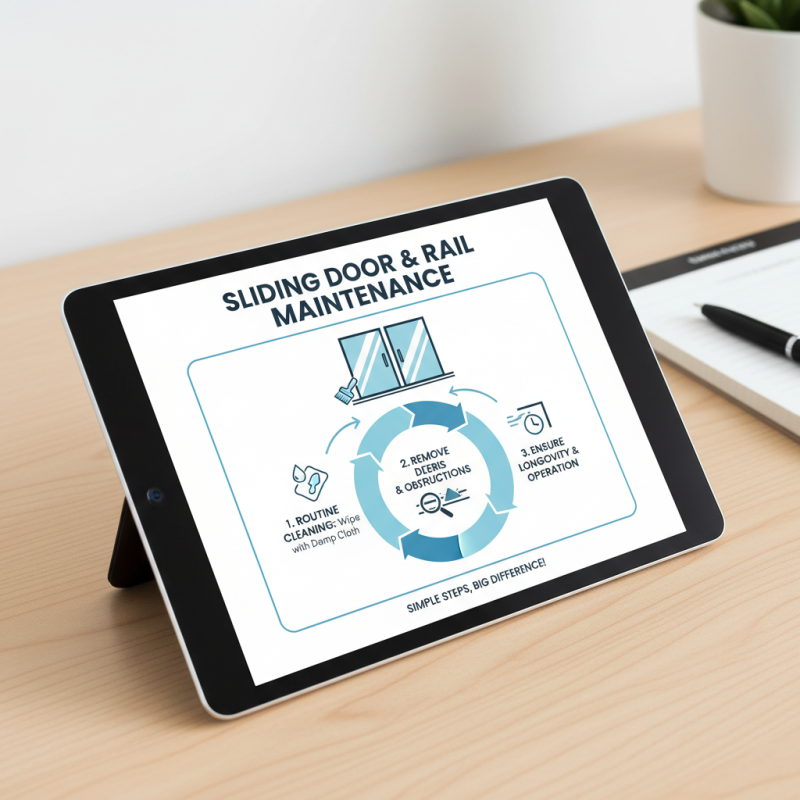
Maintaining sliding doors and rails is crucial for their longevity. Routine cleaning is essential to remove dirt and debris. This task may sound simple, but many forget to do it regularly. Use a damp cloth to wipe the tracks and ensure there are no obstructions. It’s easy to overlook, yet it makes a big difference.
Lubrication is another critical step. Apply a suitable lubricant to the rollers and tracks. A spray lubricant can work wonders. However, don’t overdo it. Too much lubricant can attract more dirt. Many people rush this step, thinking more is better. It's a quick fix, but careful application is key.
Lastly, inspect for wear and tear. Check the wheels and tracks for any damage. A small crack can lead to bigger problems. Many ignore this until it's too late. Regularly look for misalignment or squeaking noises. These signs are often dismissed. Take a moment to address them before they escalate. Remember, a little attention today can prevent costly repairs tomorrow.