2026 Best Hinges Guides and Drawers for Efficient Storage Solutions?
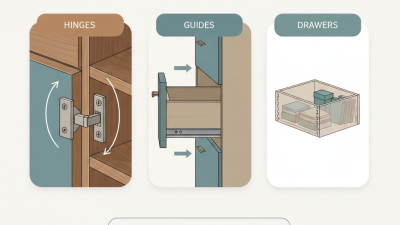
In the evolving realm of storage solutions, the integration of Hinges-Guides-Drawers remains pivotal. Expert Johnathan Marks, a renowned specialist in cabinetry, emphasizes, “The right hinges and guides can transform a simple drawer into a functional masterpiece.” This insight highlights the profound impact of quality fittings on everyday storage.
Efficient storage is not just about aesthetics. It's also about practicality. Choosing the right Hinges-Guides-Drawers can greatly enhance accessibility and organization. Poor choices can lead to frustration. Sometimes, it’s easy to overlook these components, yet their importance is undeniable. Selecting durable materials and precise designs is crucial.
Additionally, as we strive for effectiveness, reflection is essential. Are we truly maximizing our space? Are our choices aligning with our needs? As we explore the best options for 2026, we must keep in mind the balance between functionality and design in Hinges-Guides-Drawers.
Best Hinge Types for Kitchen Cabinets: A Comprehensive Overview
Choosing the best hinge types for kitchen cabinets can significantly enhance your storage solutions. Different hinges serve various purposes and can improve access and organization.
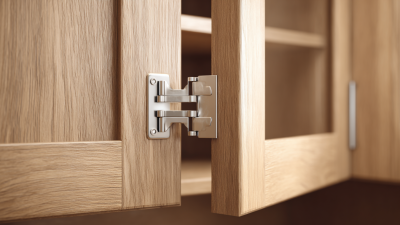
European hinges are popular for their sleek design and hidden functionality. They allow the cabinet doors to close flush against the frame, creating a clean appearance.
Another option is the pivot hinge. These are beneficial for corner cabinets, offering flexibility where traditional hinges may hinder movement. They enable doors to swing open fully, maximizing the use of corner spaces.
Consider how frequently you use each cabinet; this will guide your choice of hinge. High-use cabinets may benefit from more durable options.
Tip: Always check weight ratings for hinges. You want to ensure they can support your cabinet doors effectively.
The type of hinge can also affect the overall aesthetics. Soft-close hinges help reduce noise and protect the doors from damage. Yet, some users find them challenging to install. Reflecting on your previous experiences with different finishes may guide you in picking the best fit. Always measure carefully before selecting hinges for a seamless installation.
Drawer Construction Materials: Choosing the Right Option for Durability
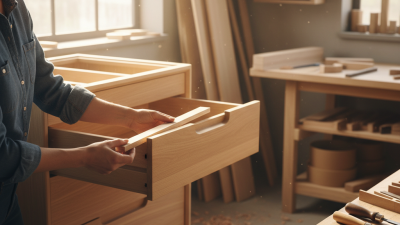
When deciding on drawer construction materials, longevity plays a vital role. An industry report from the American Wood Council states that hardwood options can significantly outlast softer woods. Choosing the right material isn't just about aesthetics; it's about functionality and strength. Plywood, for instance, is engineered for durability and often resists warping, making it a reliable choice.
In contrast, particleboard is lighter and more affordable but may not hold up under heavy loads. Its tendency to expand in moisture is a concern for some consumers. A survey from Furniture Today found that 72% of homeowners prioritize durability when selecting storage solutions. Are we always considering the long-term implications of our material choices?
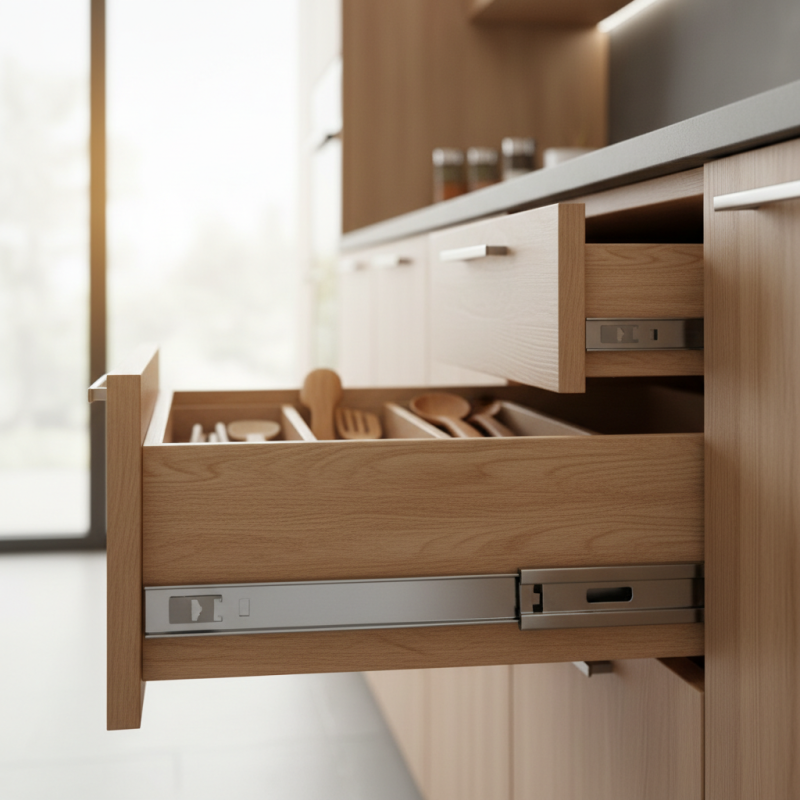
The right hinge and drawer mechanism can enhance functionality. A sturdy metal hinge can endure frequent use without breaking down. Research indicates that drawers with high-quality slides can improve user satisfaction by 50%. Yet, budget constraints can lead people to compromise on these essentials. Evaluating materials is crucial, yet many overlook the importance of drawer functionality. Even small details make a substantial difference in performance over time.
2026 Best Hinges Guides and Drawers for Efficient Storage Solutions
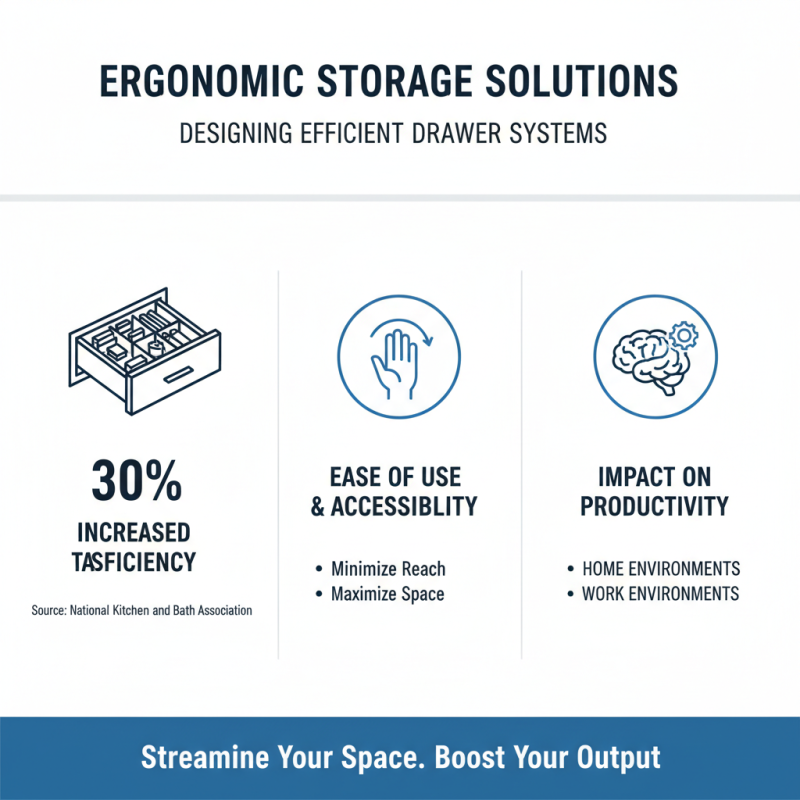
Ergonomic Storage Solutions: Designing Efficient Drawer Systems
In recent studies, the efficiency of drawer systems significantly impacts productivity in both home and work environments. Ergonomic storage solutions focus on ease of use and accessibility. According to a report by the National Kitchen and Bath Association, an organized drawer can increase task efficiency by up to 30%. This emphasizes the need for a well-designed drawer system that minimizes reach and maximizes space.
Designing efficient drawer systems entails considering user needs and space dynamics. For instance, using adjustable dividers can help keep items organized. Research suggests that 62% of users prefer customizable options in storage solutions. Additionally, a height-adjustable drawer can reduce strain. However, many designs still fail to incorporate these ergonomic principles effectively. Users report that less than half of their drawers utilize space efficiently, leading to frustration.
Sustainability is another critical factor. The use of eco-friendly materials is on the rise, impacting consumer choices. Yet, only about 18% of furniture manufacturers adhere to these standards. Reflecting on this, the industry must prioritize both functionality and environmental responsibility in future designs.
Top Brands in Hinge Technology: Innovations for 2026 and Beyond
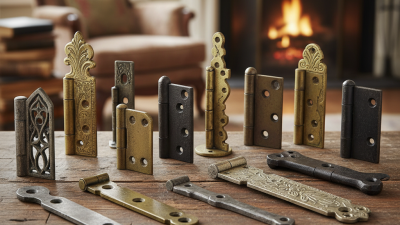
In 2026, hinge technology is evolving rapidly. Modern hinges are no longer just functional; they enhance aesthetic appeal. Many designs now blend seamlessly with cabinetry, creating a sleek look. Innovations are focused on durability and ease of use. For instance, soft-close features reduce noise and wear over time.
However, not all solutions are perfect. Some users find that certain hinges don’t align well with existing cabinets. Issues like these remind us that attention to detail matters. The industry is seeing a mix of traditional and new materials, including lightweight metals and high-strength plastics.
It’s essential to explore options that suit your specific needs. Professional installation may yield better results, especially for complex designs. Keep an eye on user reviews. They often highlight potential drawbacks that may not be evident at first glance. The quest for storage efficiency continues to drive innovation in hinge technology.
Maximizing Space: Strategies for Organizing Drawers Effectively
Organizing drawers effectively is essential for maximizing space in any home. A study by the National Kitchen and Bath Association suggests that an organized kitchen can increase efficiency by 20%. This statistic highlights the importance of efficient storage solutions. Drawer dividers are a simple yet effective tool to create designated spaces for utensils, maximizing drawer capacity.
Consider utilizing vertical storage. Vertical dividers or tiered organizers allow you to store items like spices or condiments in a way that maximizes visibility and accessibility. Research indicates that people tend to forget items located at the back of drawers, leading to waste. Implementing clear bins or labeled containers can mitigate this issue.
Ample storage requires reflection on your habits. Over time, it's common to accumulate items that no longer serve a purpose. A decluttering exercise is vital. According to the American Psychological Association, clutter can significantly affect productivity. By spending time reevaluating the contents of each drawer, you can enhance functionality. Organizing is an ongoing process, not a one-time task.