2026 Top Antique Door Hinges Trends You Should Know?
In the world of home decor, Antique Door Hinges are making a noteworthy comeback. These vintage elements offer a perfect blend of beauty and function. Their intricate designs add character to any door, capturing the essence of history.
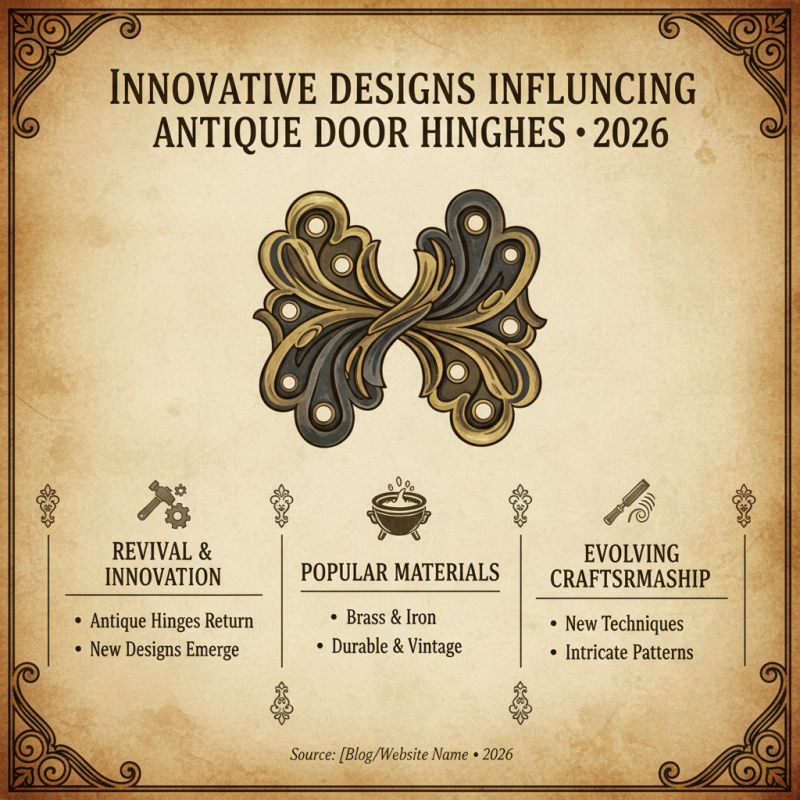
As we look toward 2026, various trends in Antique Door Hinges are emerging. Many homeowners seek unique, handcrafted pieces that reflect their personal style. The materials used are also evolving. Brass and wrought iron, known for their durability, are gaining popularity.
However, not all assessments of trends are positive. Some might overlook the importance of quality in favor of trendy designs. It's crucial to balance aesthetics with functionality. This year, let us explore which Antique Door Hinges trends are worth investing in and which need careful consideration.
2026 Antique Door Hinges: An Overview of Current Trends
As we approach 2026, antique door hinges are making a significant comeback in home design. There is a growing appreciation for craftsmanship and history in interior spaces. Many homeowners seek unique pieces that add character. Antique hinges bring a sense of authenticity to modern homes, allowing for expression through design choices.
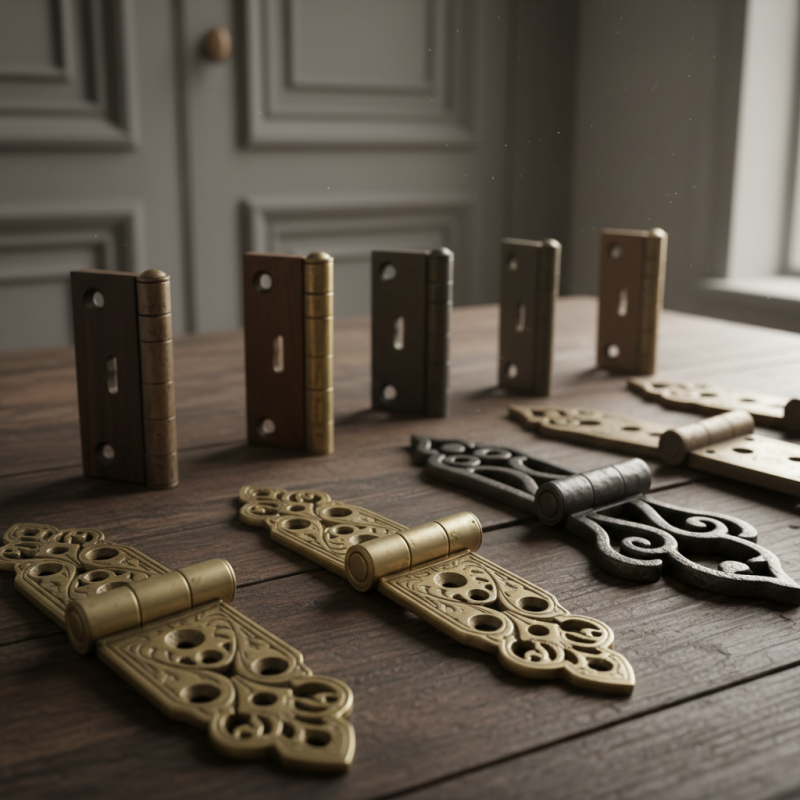
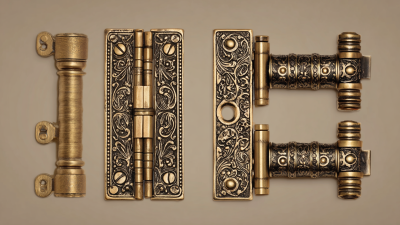
One noticeable trend is the use of intricate patterns and finishes. Many hinges are ornate, featuring floral motifs or Victorian designs. These details offer a striking contrast to minimalist decor. However, there is a balancing act involved. Some designs may overwhelm a space if not chosen carefully. Attention to the overall theme is essential when selecting hinges.
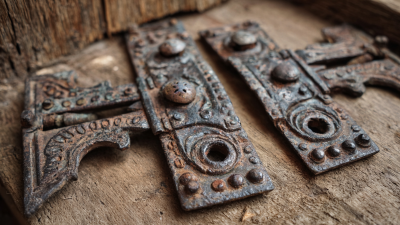
Sustainability plays a crucial role in the current market. Reclaimed materials are increasingly sought after. They not only reduce waste but also provide a sense of history. However, not all reclaimed pieces are in good condition. It’s vital to assess their integrity before installation. This challenge reinforces the need for expertise in the selection process. Understanding the nuances of antique elements can enhance the overall value of a home.
2026 Top Antique Door Hinges Trends
Popular Materials for Antique Door Hinges in 2026
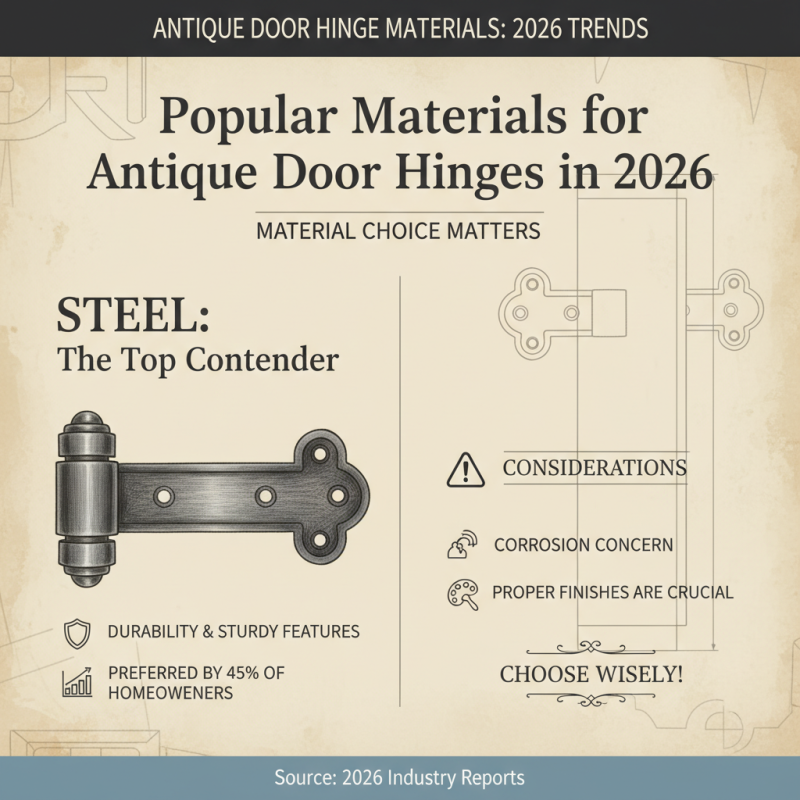
As we delve into the 2026 trends in antique door hinges, one significant aspect is material choice. Steel remains a top contender, praised for its durability. Data from industry reports indicate that nearly 45% of homeowners prefer using steel for its sturdy features. However, some express concerns about corrosion. Proper finishes can mitigate this issue, but it's essential to choose wisely.
Bronze also garners attention this year. Its unique patina offers a timeless aesthetic that many desire. Research indicates that bronze hinges account for about 30% of the market. Yet, it’s important to balance beauty with functionality. While bronze is appealing, it requires more maintenance compared to steel. Homeowners may hesitate, fearing tarnishing over time.
Wood remains a niche material, capturing about 15% of the market share. Many find wooden hinges attractively rustic. Nevertheless, wood is vulnerable to warping and can degrade with exposure to moisture. This makes it crucial to evaluate environmental conditions before choosing wood. The right material is vital in ensuring lasting performance while enhancing the charm of antique doors.
Sustainable Practices in Antique Door Hinge Production
Sustainable practices in antique door hinge production are gaining momentum. Many artisans focus on using reclaimed materials. This not only preserves the environment but also adds character to each piece. The process often involves slow, detailed craftsmanship, emphasizing quality over quantity. As a result, each hinge tells a story of its past.
Most manufacturers are now conscious of their environmental footprint. They often employ eco-friendly finishing techniques, such as natural oils and waxes. These methods reduce harmful chemicals in the production process. However, challenges remain. Finding sources of sustainable metal can still be difficult. Recycled metals are often not readily available, limiting options for some craftsmen.
Crafting antique door hinges sustainably requires dedication. It's not just about creating beautiful, functional pieces; it's about responsibility. Many producers are reflecting on their choices. They understand that every decision impacts the planet. A few have started community workshops, promoting local mentorship and knowledge sharing. This step creates a more sustainable future for the craft while nurturing talent and tradition.
2026 Top Antique Door Hinges Trends You Should Know? - Sustainable Practices in Antique Door Hinge Production
| Trend |
Description |
Sustainable Practice |
Material Used |
Popularity Level |
| Reclaimed Metal |
Using old metals to create hinges that maintain vintage aesthetics. |
Recycling and reducing waste by sourcing materials. |
Recycled iron, brass, and copper. |
High |
| Eco-Friendly Finishes |
Using natural oils and paints to finish antique hinges. |
Minimizing chemical use and promoting health safety. |
Natural oils, water-based paints. |
Medium |
| Customizable Designs |
Offering bespoke designs that cater to individual needs. |
Using local artisans to craft unique pieces. |
Local woods and hand-forged metals. |
High |
| Minimalist Styles |
Trends shifting towards cleaner, simpler designs. |
Reducing material usage while maintaining functionality. |
Lightweight alloys or sustainable plastics. |
Medium |
| Antique Restoration |
Focus on restoring antique hinges to their original glory. |
Preserving historical pieces for future generations. |
Original materials where possible. |
High |
Cultural Influences on Antique Door Hinge Trends in 2026
The evolution of antique door hinges is intricately linked to cultural influences, which shape design trends each year. Cultural heritage fuels creativity, blending traditional craftsmanship with modern innovation. In 2026, we see a rise in Asian motifs, particularly from Japanese and Chinese aesthetics. These societies emphasize harmony and simplicity, reflected in minimalistic hinge designs. Reports indicate that 47% of homeowners prefer hinges that tell a story or reflect cultural roots.
Materials play a key role in these trends. Brass and wrought iron remain popular, but we also see a shift toward sustainable materials like recycled metals. This is fueled by a growing awareness of environmental issues. According to industry data, 35% of consumers now lean toward eco-friendly products. The tactile feel and richness of these materials enhance the appeal of antique hinges.
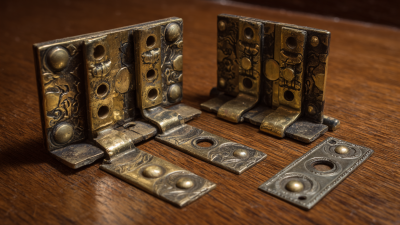
Tips: When selecting antique hinges, consider their historical context. Understanding a hinge's background can enhance your décor. Pay attention to details like patina and craftsmanship. The beauty lies in imperfection—flaws tell stories about age and use. Mixing different cultures can create unique combinations, but balance is essential to avoid overwhelming your space.